

What Will It Take To Prepare Students For The Future? Experts Weighed In At The 2026 Education 2.0 Conference
Posted on : July 27, 2026
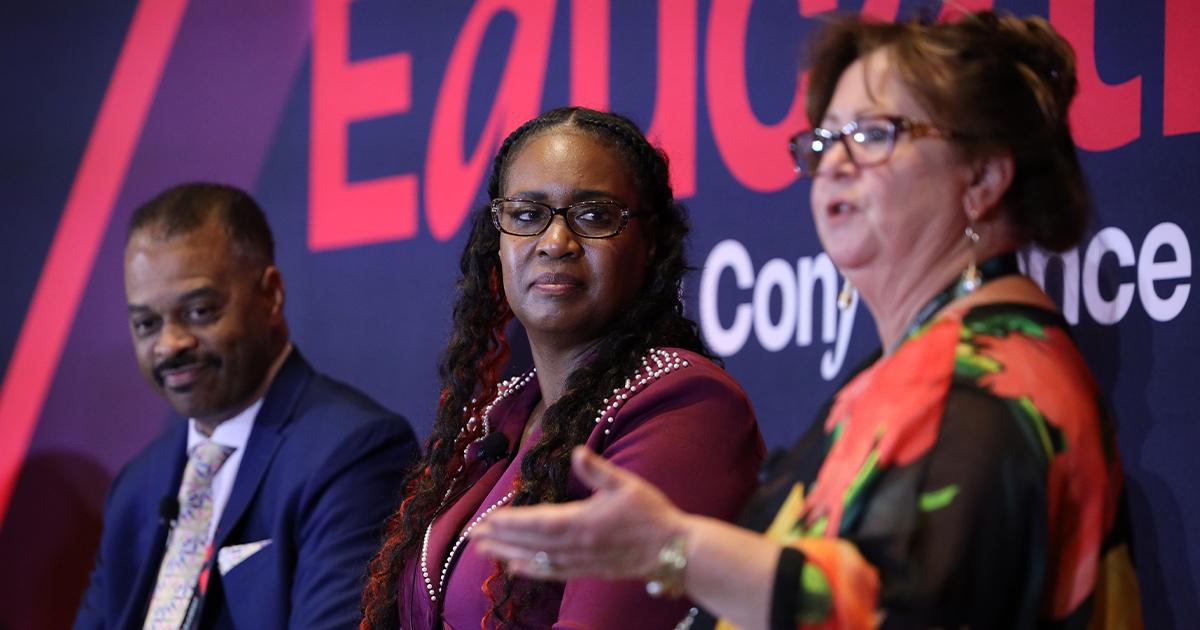
Education remains one of the most influential forces shaping societies, economies, and future generations. Yet as technological advancements accelerate, workforce expectations continue to evolve, and student needs become increasingly diverse, important questions are being raised about how effectively current education systems are preparing learners for the future. These conversations took center stage at the Education 2.0 Conference, held at the Bellagio Hotel & Casino in Las Vegas, Nevada, USA, from April 7–9, 2026.
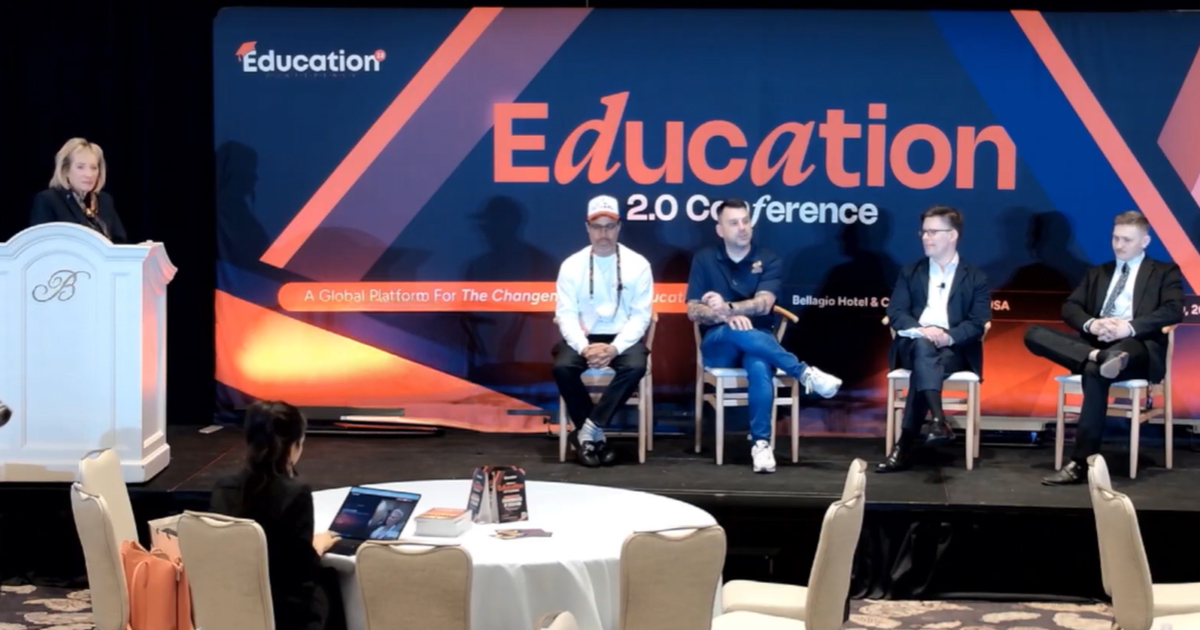
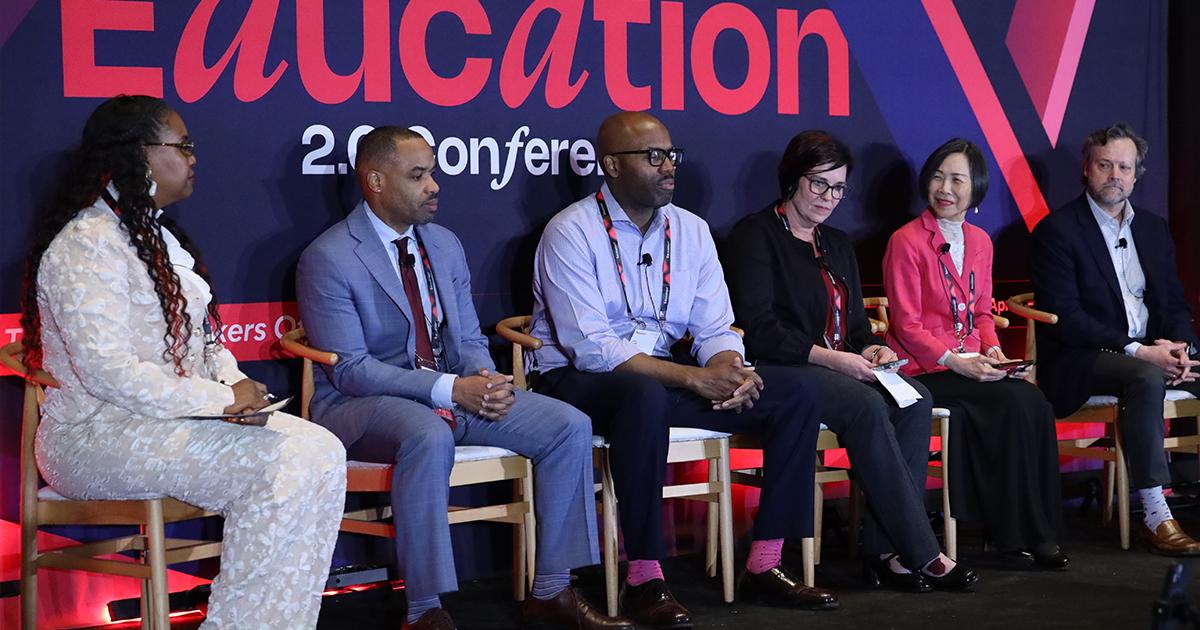
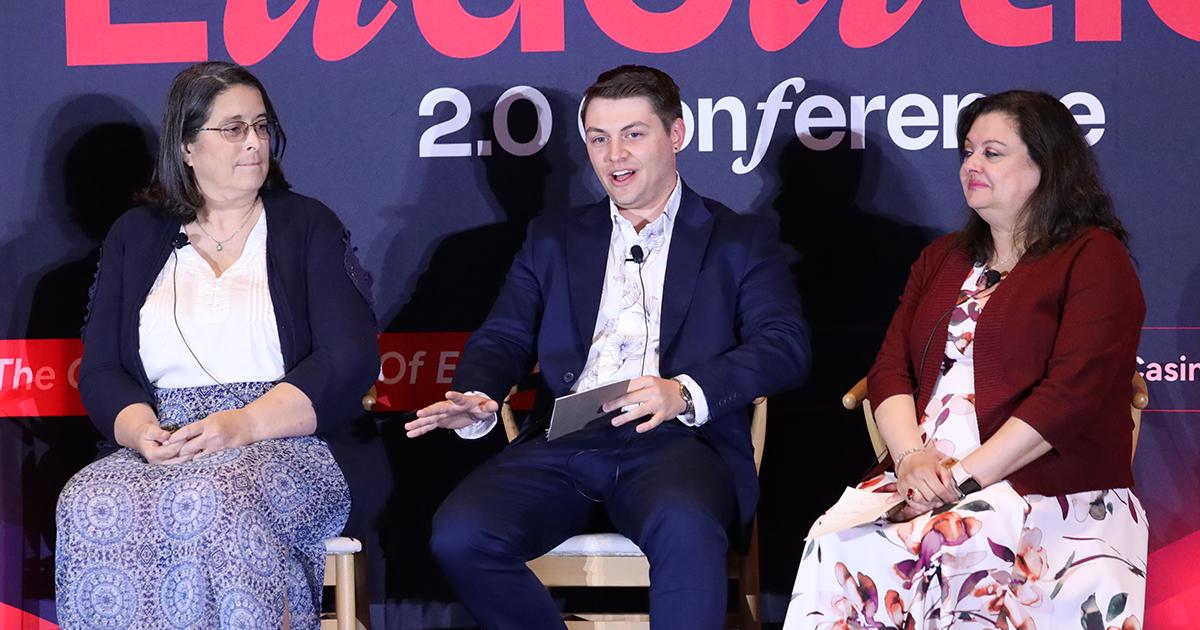
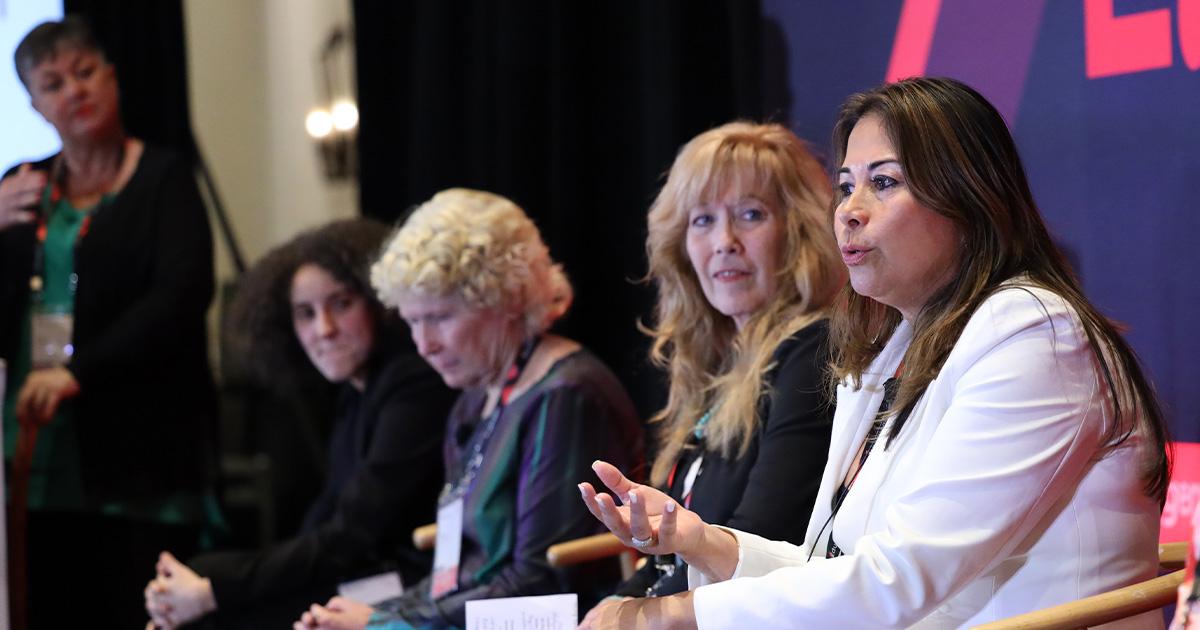
As part of the conference agenda, the panel discussion titled “Education Policy In 2026: What’s Working, What’s Broken, What’s Next?” brought together distinguished voices from across the education sector. Moderators Dr. Tonya Cannon, and Dr. Donna Vallese, Chief Educational Luminary at Educational Luminaries, guided a lively exchange featuring Sheila J. Simpson, Jillayne Flanders, Dr. Angelica Benavides, and John Tobin. Drawing from their experiences across early childhood education, higher education, workforce development, leadership, and family engagement, the panel explored the realities shaping education today and the opportunities that could influence its future direction.
Examining The Disconnect Between Educational Systems & Modern Realities
As the discussion unfolded, one of the first themes to emerge was the growing concern that educational systems are struggling to keep pace with the rapid changes taking place across society. While participants acknowledged the value public education has brought to generations of learners, the conversation highlighted how several existing structures continue to reflect approaches developed decades ago.
The panel explored how schools are often expected to prepare students for a future that looks very different from the one previous generations experienced. At the same time, educational policies and practices have frequently remained tied to traditional models that place heavy emphasis on standardization and uniform outcomes.
Reflecting on this challenge, Dr. Donna Vallese, Chief Educational Luminary at Educational Luminaries, observed that “We are stuck in old systems and our policies and practices are not allowing us to get out.” Her comments set the tone for a broader discussion about the need to reconsider long-standing educational approaches and evaluate how effectively they align with present-day realities.
Looking Beyond Test Scores And Academic Metrics
A significant portion of the discussion at the education summit focused on how educational success is measured and whether assessments alone reflect the abilities students need for the future. The panel encouraged attendees to think beyond examination results and consider the growing importance of skills such as critical thinking, communication, adaptability, and lifelong learning.
As industries continue to evolve, students are increasingly expected to learn continuously and respond confidently to change. Reflecting on this shift, Dr. Angelica Benavides, Co-founder of Educational Luminaries at B-Global Publisher, noted that “Instead, we should prepare them for lifelong skill learners, entrepreneurship, and getting real-world skills instead of just preparing them for a test.” Her comments reinforced the importance of equipping learners with skills that remain valuable across changing careers and industries.
Relevance As A Driver Of Student Engagement
Another key topic centered on student engagement and the importance of making learning meaningful. Throughout the discussion, participants reflected on how students are more likely to engage when they understand how learning connects to their lives and future aspirations.
Rather than viewing questions about the value of certain subjects as resistance, the panel suggested they can create opportunities to make learning more relevant and practical. Several perspectives emphasized that relevance does not diminish academic rigor; instead, it helps students see how concepts and skills apply in different situations. As those connections become clearer, engagement and understanding often grow stronger.
Bridging The Gap Between Education And Workforce Expectations
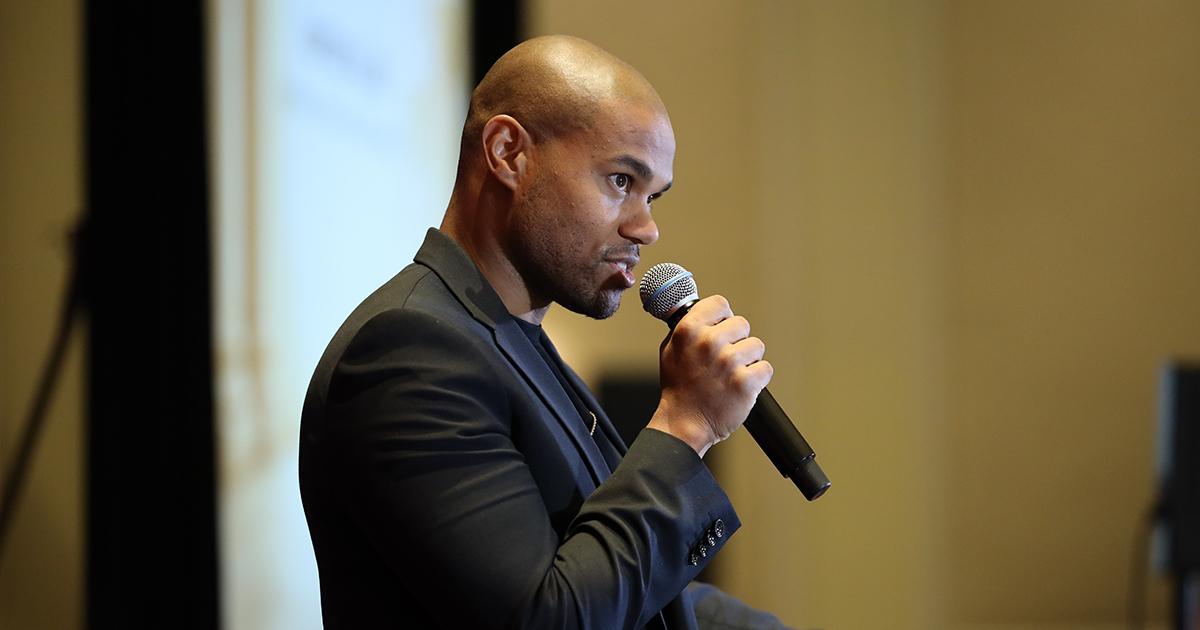
As the conversation expanded, attention turned toward the relationship between education and employment. Participants discussed the growing expectation that educational institutions prepare students not only academically but also professionally.
A recurring concern involved the gap between what employers are seeking and the skills some individuals bring into workplace environments. While technical knowledge remains important, employers often place equal value on communication, accountability, collaboration, and professionalism.
Sharing observations from her own experience, Sheila J. Simpson, Executive Director at FOCCUS Marriage Ministries, reflected on the importance of foundational workplace skills, stating, “I want somebody I can teach them a lot if they have the base. I can’t teach them the basics.”
Her comments resonated with broader discussions about preparing students to communicate effectively, build relationships, and contribute positively within professional settings. The conversation suggested that these foundational abilities often influence long-term success across a wide range of careers and industries.
Bringing Real-World Learning Into Educational Experiences
The discussion naturally progressed into the role of experiential learning and the value of connecting classroom instruction with practical application.
Panelists spoke about the importance of helping students see how academic concepts relate to real-world situations. Exposure to workplace environments, mentorship opportunities, community partnerships, and hands-on experiences were all highlighted as valuable ways to strengthen learning outcomes.
Offering a higher education perspective, John Tobin, Professor at Pepperdine GSEP, emphasized the importance of helping students experience the realities connected to what they are learning. As he explained, “It’s very important to bring the road into the classroom so that they get an experience of what it feels like.”
The conversation also touched on examples of workplace partnerships that allowed students to develop confidence, practical skills, and greater awareness of career possibilities. These experiences were presented as valuable opportunities for helping learners connect education with future aspirations.
Understanding Why Meaningful Change Can Be Difficult
Audience participation added another valuable layer to the discussion, especially as questions arose around educational reform and policy implementation. Several attendees shared experiences navigating large educational systems and reflected on how challenging it can be to introduce meaningful change across multiple levels. T
The panel acknowledged that innovation is already happening in schools, districts, organizations, and learning communities, but these efforts often remain isolated. As possible pathways forward were discussed, collaboration became a recurring theme, with speakers emphasizing the importance of stronger connections among educators, institutions, families, and community partners working toward similar goals.
The Importance Of Families And Community Partnerships
Family engagement also featured prominently throughout the discussion. Participants explored the distinction between involvement and engagement, noting that meaningful engagement extends beyond attendance at events or meetings.
The conversation highlighted the value of supporting families as active participants in the educational journey and recognizing the important role they play in student development. Several speakers emphasized that educational success is often strengthened when schools, families, and communities work together.
Reflecting on the broader purpose of education, Jillayne Flanders, Consultant of Early Childhood Education at Center For Educational Improvement, reminded attendees of the responsibility educators have toward future generations, stating, “We cannot lose sight of the fact that we are here educating children and they are going to be leading us in the near future.”
Her comments brought the discussion back to a central theme that remained present throughout the session: education ultimately serves people, and every policy decision should keep learners at the center of the conversation.
Supporting Student Wellbeing Alongside Academic Success
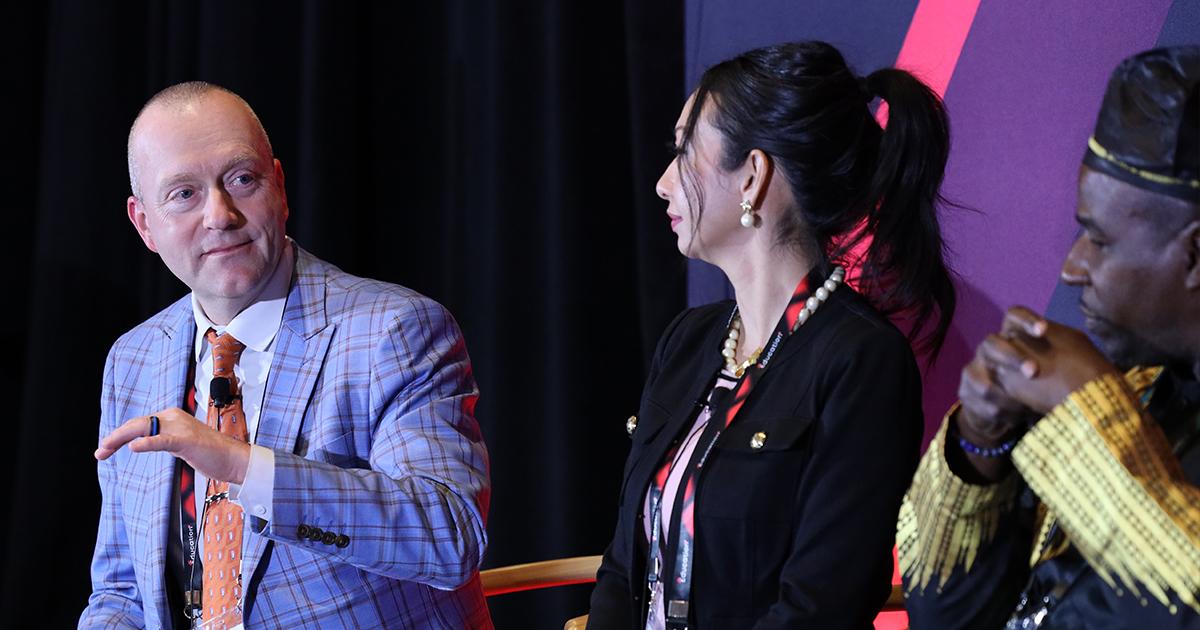
As the session moved toward its final stages, the focus shifted toward student wellbeing and mental health. Participants acknowledged that students today are learning in an increasingly complex world shaped by uncertainty, social pressures, and global events.
The discussion emphasized that learning does not occur in isolation from emotional wellbeing. When students face personal challenges, stress, or trauma, those experiences can influence their ability to engage academically.
Addressing this reality, Dr. Tonya Cannon, Lead Faculty at Westcliff University, spoke about the importance of recognizing when students need support and understanding the difference between helping learners and removing responsibility from them. Reflecting on the educator’s role, she explained, “What can I do to support you? Not enable, not coddle, not be the crutch, but be a support.”
The conversation reinforced the importance of creating learning environments where students feel valued, respected, and supported while still maintaining meaningful academic expectations.
Continuing The Conversation At The Education 2.0 Conference
As the session drew to a close, attendees were left with meaningful perspectives rather than straightforward solutions. The discussion highlighted the need for educational systems to remain responsive to changing realities while continuing to support student growth, wellbeing, and future readiness. Conversations around lifelong learning, workforce expectations, family engagement, and practical learning experiences underscored the interconnected nature of today's educational challenges. More importantly, the session reflected the Education 2.0 Conference's commitment to creating a platform where diverse voices can come together, exchange ideas, and inspire progress.
While the journey ahead continues, the dialogue reinforced that meaningful change begins with open conversations, shared learning, and a collective commitment to supporting future generations.
Want to be part of the next big conversation? Explore all our upcoming education conferences in one place and connect with thought leaders driving meaningful change across industries.
FAQs
How Can Education Conferences Help Bridge The Gap Between Policy And Practice?
Education conferences bring together educators, policymakers, researchers, and industry leaders to exchange ideas, share real-world experiences, and discuss practical solutions. These conversations can help align policy decisions with the realities of modern classrooms and learning environments.
How Can Artificial Intelligence Support Future Education Policies?
AI can personalize learning, identify learning gaps, and help educators make informed decisions through data-driven insights.
Why Is Digital Literacy Becoming Essential For Student Success?
Digital literacy helps students use technology effectively, evaluate information critically, and prepare for modern careers.
What Makes The Education 2.0 Conference A Valuable Platform For Education Leaders?
The Education 2.0 Conference provides a space for education leaders to explore emerging trends, share insights, and engage in meaningful discussions about the challenges and opportunities shaping the future of education.
What Role Does Teacher Professional Development Play In Educational Improvement?
Professional development helps educators stay updated with new teaching strategies, technologies, and student learning needs.
Recent Blogs
-
Education 2.0 Conference Explores The Innovation Blueprint For The Next Decade Of Learning
Posted on : September 08, 2026 -
-
Education 2.0 Conference Explores The Changing Role Of School And University Leaders In Modern Education
Posted on : August 14, 2026 -
Education 2.0 Conference Examines The Growing Influence Of Technology On Education
Posted on : August 06, 2026 -
-
-
Education 2.0 Conference Explores The Economic Playbook Of Modern Education In 2026
Posted on : July 13, 2026 -
How Education Events In Singapore Are Addressing The Skills Students Need For 2030
Posted on : June 16, 2026 -
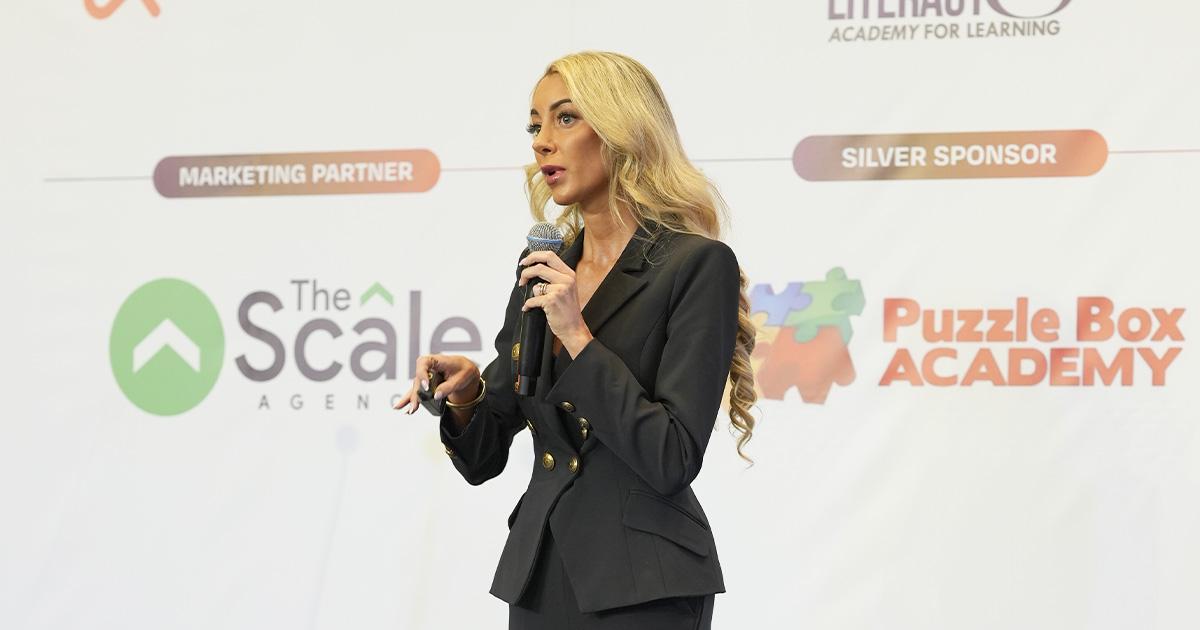
The Scale Agency Becomes Official Marketing Partner For The Education 2.0 Conference
Posted on : April 13, 2026 -

Education 2.0 Conference Highlights Scam Offenses Linked To Deepfake Educators
Posted on : February 23, 2026