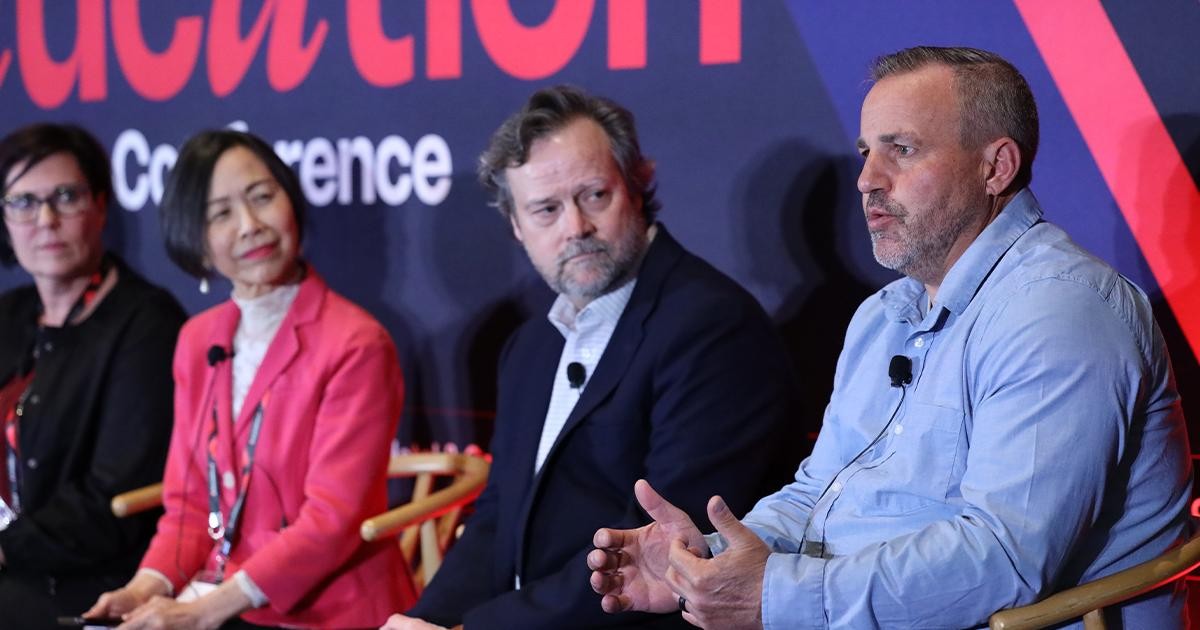
Can education evolve as quickly as the technologies transforming how people work, communicate, and solve problems? It is a question that educational institutions around the world are increasingly seeking to answer. Artificial intelligence, automation, extended reality, data analytics, and other emerging technologies are reshaping industries at an unprecedented pace, influencing the skills employers seek and also how knowledge is created, shared, and applied. For schools and universities, this shift extends beyond introducing new digital tools into classrooms.
It requires continuously evaluating whether curricula, teaching approaches, institutional strategies, and learning experiences remain aligned with a rapidly changing world. As technological innovation accelerates, educational institutions are increasingly expected to prepare learners not only for today's careers but also for emerging professions and challenges. These priorities continue to shape discussions at education conferences and events in 2027. The focus is increasingly shifting from adopting new technologies to building education systems that can adapt continuously to future change.
TL;DR: Quick Overview
- Explores why technological change is challenging traditional education models.
- Examines the barriers that complicate educational transformation.
- Highlights how institutions are adapting to technological advancements.
- Discusses why continuous adaptability is becoming essential in education.
- Explains how educational leadership can support long-term institutional resilience.
Why Technology Is Advancing Faster Than Education
Technological innovation rarely keeps pace with academic planning. New technologies can emerge, mature, and reshape industries within a few years, while educational systems often require considerably more time to review curricula, implement institutional changes, train educators, and introduce new learning models. As a result, education is continuously balancing the need for stability with the need to remain relevant. Finding this balance remains a priority for educational leaders and continues to influence discussions at education events in 2027.
This challenge extends beyond individual technologies. Advances in artificial intelligence, automation, robotics, cloud computing, cybersecurity, and data science are transforming how organizations operate across industries. Consequently, employers increasingly value skills such as critical thinking, digital literacy, adaptability, collaboration, and continuous learning alongside technical expertise. Rather than responding to individual technologies, education is increasingly challenged to build learning systems that remain relevant despite continuous technological change.
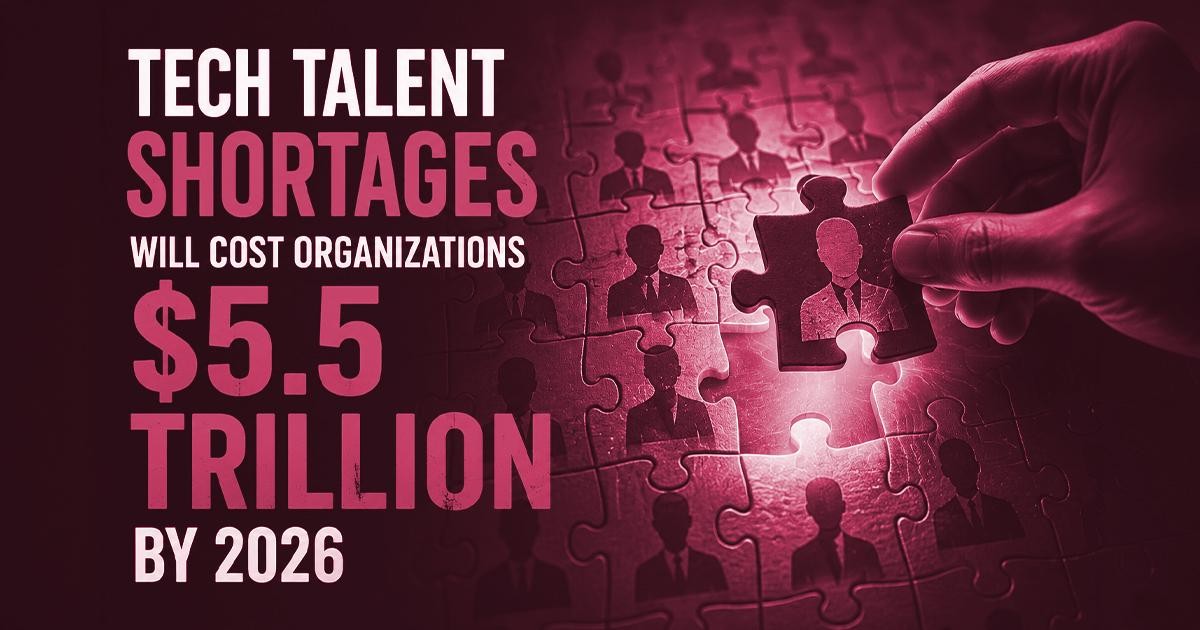
Bridging The Gap Between Technology And Education
Unlike many industries, education cannot transform overnight. Every significant institutional change involves multiple stakeholders, including educators, administrators, accreditation bodies, policymakers, employers, students, and governing organizations. Balancing innovation with academic quality, consistency, and accountability often requires careful planning before new approaches can be implemented.
According to a study, financial constraints accounted for 60% of the barriers in a university's digital transformation. Let us look at some of the factors that contribute to the pace of educational transformation:
- Curriculum Development: Updating academic programs requires thorough review processes to ensure new content remains academically rigorous and aligned with institutional objectives.
- Faculty Readiness: Educators often need professional development, training, and ongoing support before integrating new technologies or teaching methodologies into their courses.
- Institutional Infrastructure: Successfully adopting new technologies depends on appropriate digital infrastructure, learning platforms, cybersecurity measures, and technical support.
- Policy & Governance: Educational institutions frequently operate within regulatory and accreditation frameworks that influence how quickly new programs and learning models can be introduced.
- Assessment Practices: As learning methods evolve, institutions must also evaluate whether existing assessment models effectively measure the knowledge, skills, and competencies students need for changing workplaces.
How Educational Institutions Can Adapt Without Compromising Quality
While educational transformation may take time, institutions around the world are adopting strategies to respond more effectively to technological change without compromising academic quality. Instead of reacting to every new technology, many schools and universities are focusing on building adaptable systems that prepare learners for continuous change.
These approaches are becoming increasingly relevant as institutions balance innovation with long-term educational outcomes. The growing emphasis on adaptable education systems has made collaboration and knowledge exchange increasingly important in educational events worldwide. Several initiatives are helping educational institutions strengthen their ability to adapt:
1. Redesigning Curricula Around Future Skills
Many institutions are reviewing academic programs to ensure students develop skills that remain valuable across changing industries. Alongside subject-specific knowledge, greater emphasis is being placed on critical thinking, problem-solving, digital literacy, communication, and lifelong learning.
2. Strengthening AI & Digital Literacy
As artificial intelligence becomes more widely used across industries, educational institutions are introducing opportunities for students to understand its capabilities, limitations, ethical considerations, and practical applications. This helps learners engage with technology responsibly rather than simply using digital tools.
3. Building Stronger Industry Partnerships
Collaboration with employers, technology companies, and industry experts enables institutions to better understand evolving workforce requirements. These partnerships also help educators align learning experiences with current industry practices while exposing students to real-world applications.
4. Expanding Flexible Learning Opportunities
Many schools and universities are offering more flexible learning pathways through hybrid education, modular programs, micro-credentials, and continuing education initiatives. These approaches support learners at different stages of their educational and professional journeys while encouraging continuous skill development.
5. Supporting Continuous Faculty Development
Educational innovation depends not only on students but also on educators. Institutions are increasingly investing in professional development that equips faculty with the knowledge and confidence to integrate emerging technologies, modern teaching approaches, and evolving pedagogical practices into their classrooms.
Why Adaptability Is Becoming Education's Greatest Strength
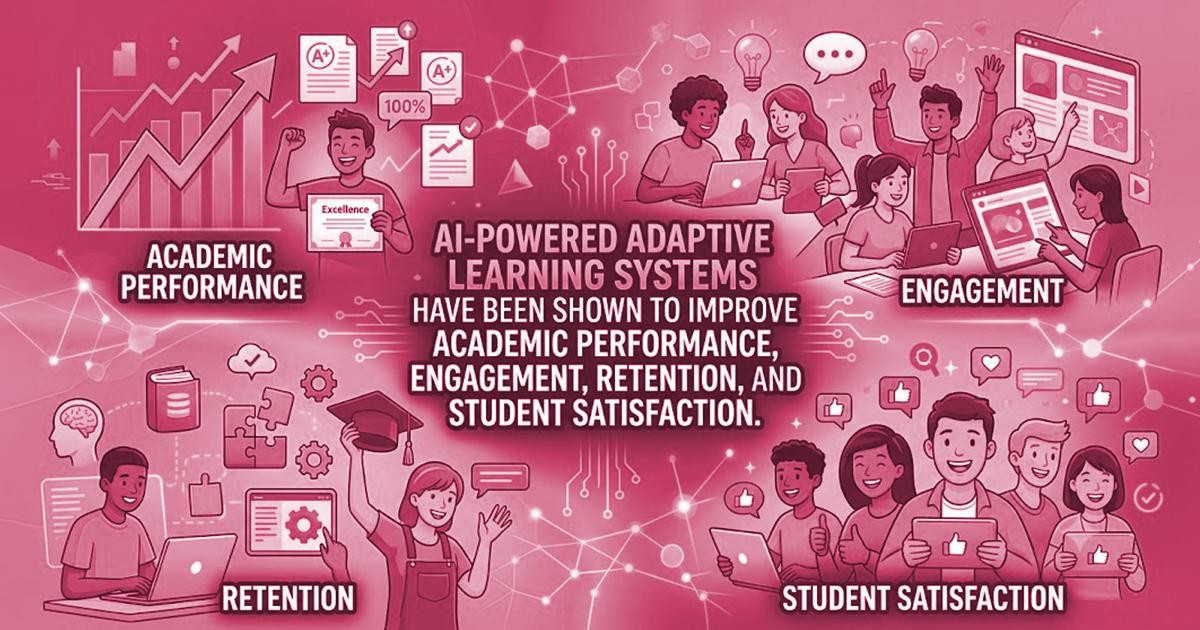
No institution can predict every technological advancement that will shape the future. However, schools and universities can prepare students by building learning environments that encourage curiosity, critical thinking, adaptability, and continuous improvement. These qualities enable learners to respond confidently to change regardless of how technology evolves throughout their careers. Preparing students for an uncertain future, therefore, depends as much on institutional adaptability as on the adoption of technology.
Educational leaders who encourage innovation while maintaining academic quality are helping create systems capable of evolving alongside changing societal and workforce needs. The Dubai Edition of the Education 2.0 Conference, taking place from March 29–31, 2027, will bring together educators, academic leaders, policymakers, and industry experts to discuss educational innovation, leadership, and the future of learning. To join these discussions, you can register through the official conference website.
FAQs
1. How is technology changing education?
A. Technology is influencing how students learn, how educators teach, how institutions deliver academic programs, and the skills learners need to succeed in an evolving workforce.
2. What networking opportunities are available at the education conference in Dubai?
A. Attendees can participate in keynote sessions, panel discussions, networking opportunities, and interactive engagements with educators, policymakers, researchers, and industry experts from around the world.
3. What skills are becoming increasingly important for students?
A. Alongside technical knowledge, employers increasingly value critical thinking, digital literacy, adaptability, communication, collaboration, and problem-solving as workplaces continue evolving.
4. How can I contribute to the Education 2.0 Conference?
A. You can contribute to the three-day education event in Dubai by applying as a speaker, exhibiting your organization, becoming a sponsor, or participating in discussions and networking sessions. Details about available opportunities can be found on the official conference website.
5. Why is continuous learning becoming more important in education?
A. Technological innovation is changing the way knowledge is applied across professions. Continuous learning helps individuals update their skills and remain prepared for evolving workplace requirements throughout their careers.