How do you prepare students for careers that have not yet been invented? It is a question that is becoming increasingly relevant as technological advancement, scientific discovery, and economic transformation continue creating entirely new industries. While education has traditionally prepared learners for existing professions, today's institutions are increasingly expected to equip students with capabilities that remain valuable even as industries continue evolving.
Preparing future talent now involves more than updating curricula to include emerging technologies. It requires developing adaptable learners who can continuously acquire new knowledge, solve unfamiliar problems, and apply their skills across changing professional environments. These priorities continue to influence upcoming education conferences and education events, where educators, policymakers, and institutional leaders are examining how education can remain aligned with an increasingly unpredictable future.
The pace of technological and economic change is making workforce planning increasingly complex. Artificial intelligence, automation, biotechnology, advanced manufacturing, quantum computing, climate technologies, and other emerging fields continue creating new occupations while transforming existing ones. As a result, many students entering education today may eventually work in roles that are still evolving or have yet to emerge.
Preparing learners for the future increasingly depends on developing transferable capabilities that remain valuable across industries as they change, rather than focusing solely on current job requirements. Several long-term trends are contributing to this shift:
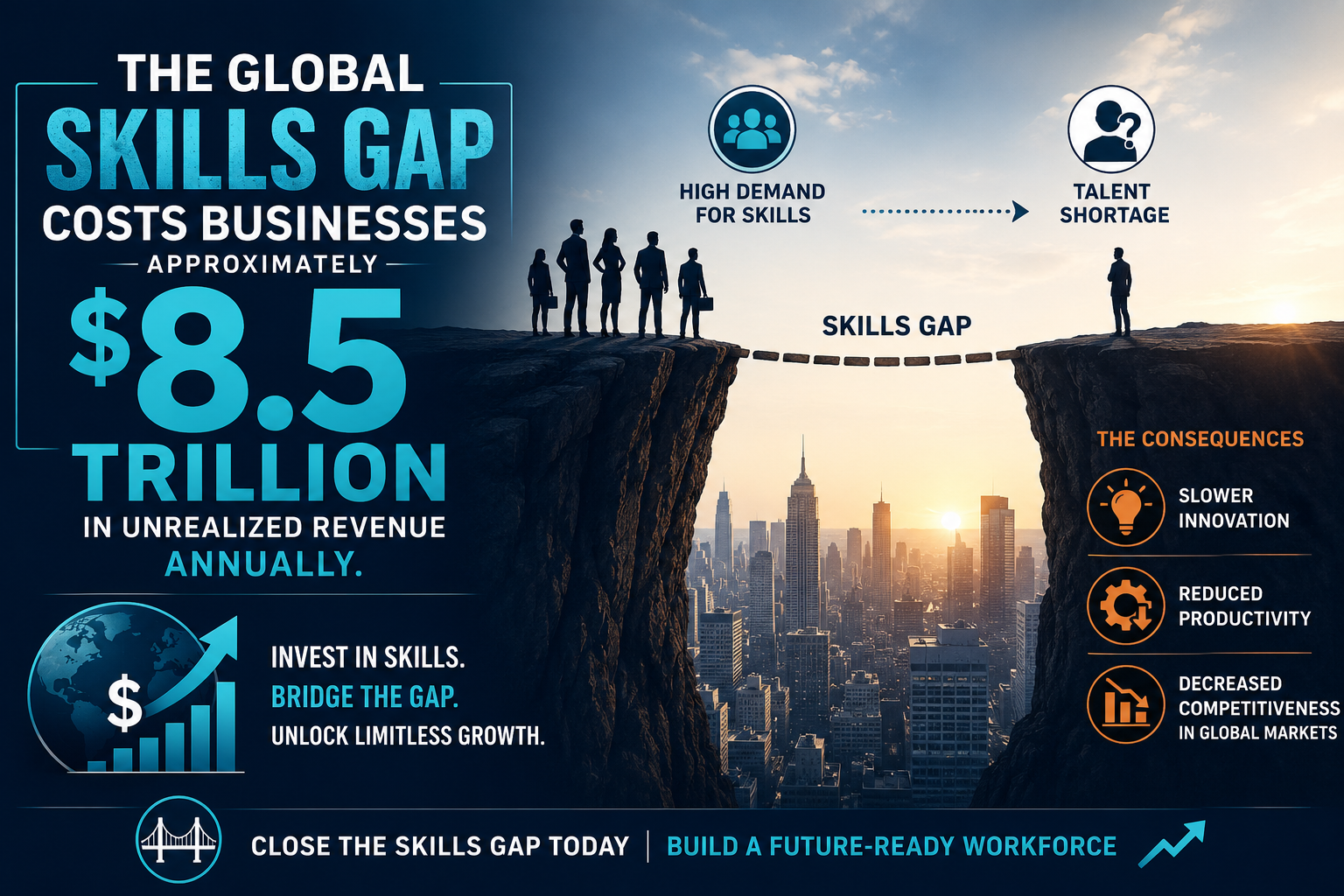
Preparing learners for emerging industries involves more than introducing new subjects into the curriculum. Since future occupations cannot always be predicted with certainty, institutions are increasingly focusing on building capabilities that enable graduates to adapt as industries evolve. These capabilities support continuous learning while enabling individuals to move more confidently across evolving technologies, business models, and professional roles.
As these priorities continue gaining importance, the education conferences in Singapore in 2026 are increasingly highlighting how institutions are redesigning learning experiences to prepare students for long-term workforce success. Several capabilities are becoming central to future-ready education, which are as follows:
Graduates increasingly need the ability to respond confidently to changing technologies, workplace expectations, and evolving career opportunities.
Complex global challenges require learners who can evaluate unfamiliar situations, analyze information critically, and develop practical solutions.
Rather than mastering a single technology, students increasingly benefit from understanding how digital tools can support learning, collaboration, innovation, and decision-making across industries.
Many emerging professions combine knowledge from multiple disciplines, making cross-functional thinking an increasingly valuable capability.
Continuous professional development is becoming an essential part of modern careers as industries continue evolving throughout an individual's working life.
Developing talent for emerging industries requires institutions to look beyond short-term workforce trends. While technical knowledge remains important, long-term readiness depends on creating learning systems that can respond to changing technologies, economic priorities, and industry needs. According to the World Assessment Council’s Skills Gap Report 2025, 87% of employers report difficulty finding candidates with the right skills, while 72% of workers believe their current skills may become obsolete within the next five years.
This highlights that education systems must evolve more quickly to prepare learners for changing workforce expectations rather than existing job requirements alone. Let us look at some approaches that can help schools, universities, and training providers strengthen future talent pipelines:
Curricula that can be reviewed and updated regularly are better suited to industries that evolve quickly. Modular programs, interdisciplinary courses, and shorter learning pathways can help institutions introduce emerging knowledge without waiting for complete program redesigns.
Partnerships with employers, research organizations, and technology companies can help institutions understand changing skill requirements earlier. These relationships may also support internships, applied projects, faculty engagement, and practical exposure to developing fields.
Future industries will require graduates who can apply knowledge in uncertain situations. Project-based learning, simulations, laboratories, startup programs, and problem-solving challenges can help students develop practical judgment alongside academic understanding.
Educators need opportunities to remain current as new technologies and disciplines emerge. Continuous professional development, industry exposure, and collaboration with researchers can help faculty introduce relevant ideas while maintaining strong teaching standards.
Talent pipelines should not be limited to traditional full-time degree programs. Micro-credentials, professional certificates, continuing education, and flexible reskilling options can allow individuals to return to education throughout their careers as new industries and roles develop.
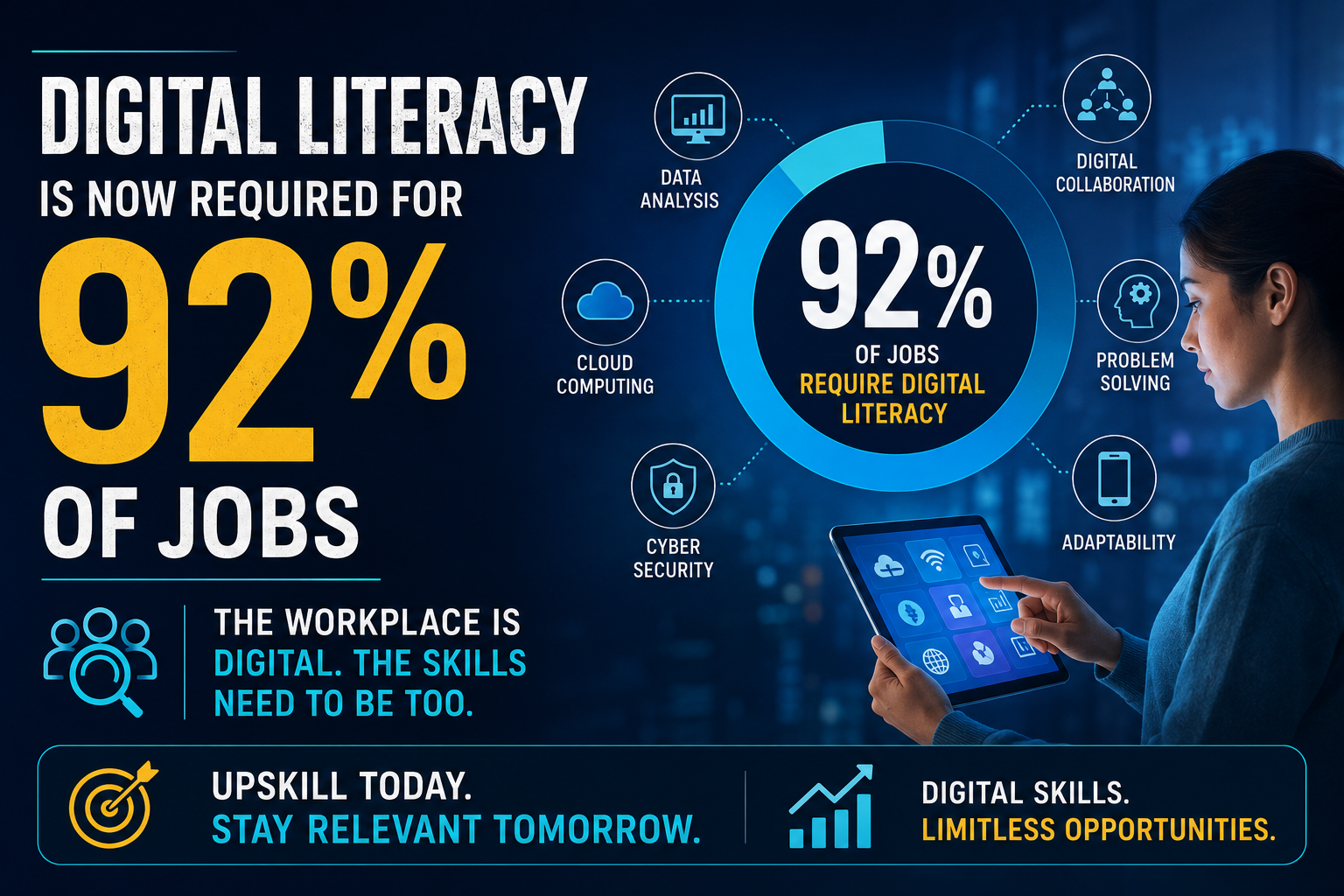
Emerging industries often develop faster than formal qualification systems. When education providers and employers operate separately, skill shortages can persist even when large numbers of learners complete programs. Closer alignment can help institutions understand which capabilities are becoming valuable, while employers gain a clearer role in supporting talent development. For education providers, the challenge is to respond without allowing short-term employer demand to narrow education's broader purpose.
Strong talent pipelines should combine current industry relevance with foundational knowledge, ethical reasoning, creativity, and the capacity to continue learning. This balance helps graduates contribute to immediate workforce needs while remaining prepared for longer-term economic change. The growing importance of this alignment is also becoming a central theme at upcoming education conferences in 2026, where institutions and employers examine practical ways to connect learning with future industry needs.
A single course or qualification cannot prepare an entire workforce for industries that are still taking shape. Sustainable talent development depends on coordinated systems that connect education, research, employers, and lifelong learning. This broader approach helps institutions respond more effectively to changing workforce needs by:
For policymakers and institutional leaders, this means looking beyond enrollment and graduation numbers to ensure learners can move between educational pathways, gain practical experience, continuously update their skills, and access opportunities across different communities. These priorities are likely to remain an important focus at education events in 2026 as institutions continue aligning education with long-term economic development.
Education cannot forecast every profession that will emerge over the next decade. It can, however, help learners develop the knowledge, judgment, and adaptability needed to navigate new industries with confidence. The most resilient talent pipelines will be those that connect strong academic foundations with practical learning, digital fluency, industry insight, and continuous development.
Institutions that build these capabilities into their systems will be better positioned to support learners as new sectors appear and existing professions change. The Singapore Edition of the Education 2.0 Conference will explore workforce readiness, curriculum innovation, educational leadership, and the future of learning. Those interested in contributing to these conversations can explore registration and participation opportunities through the official conference website.