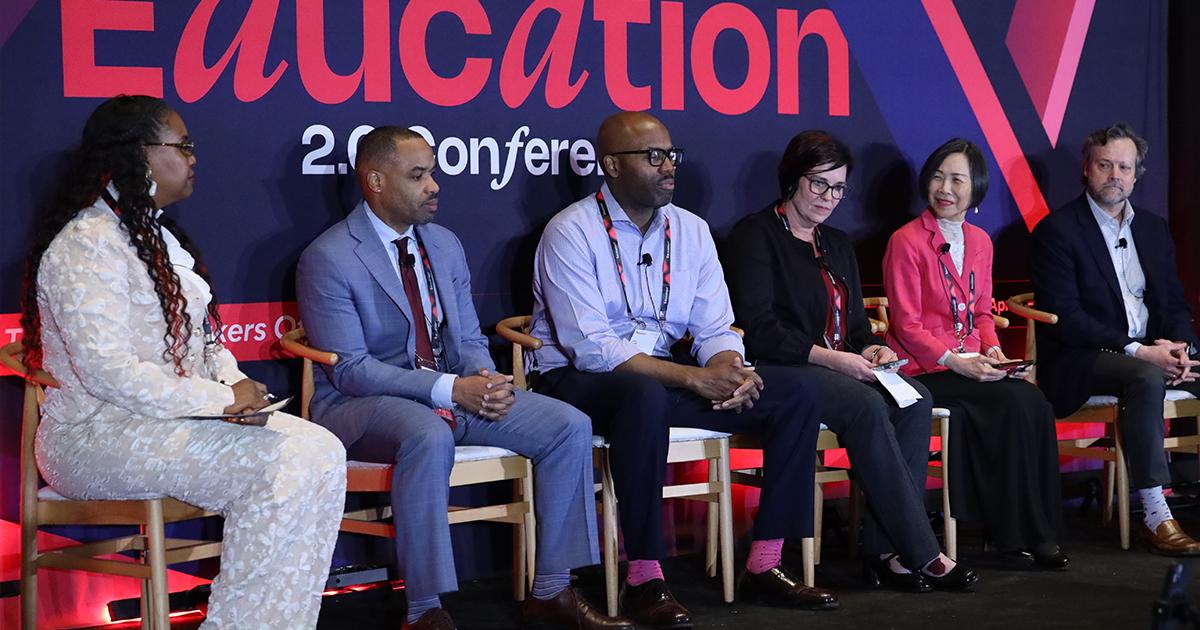
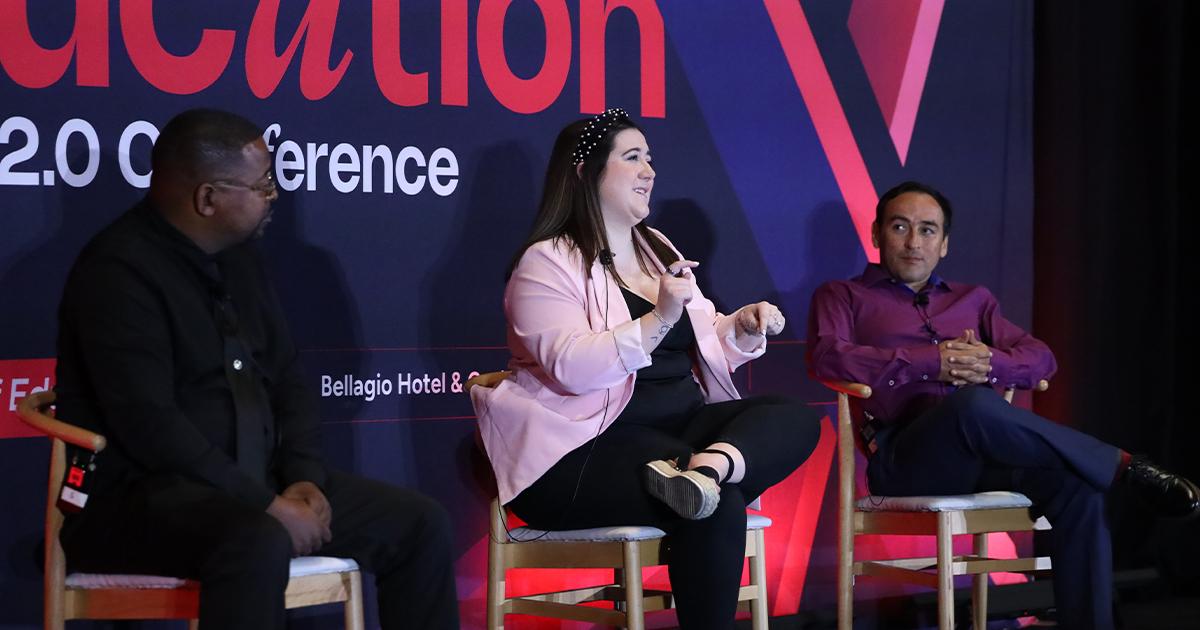
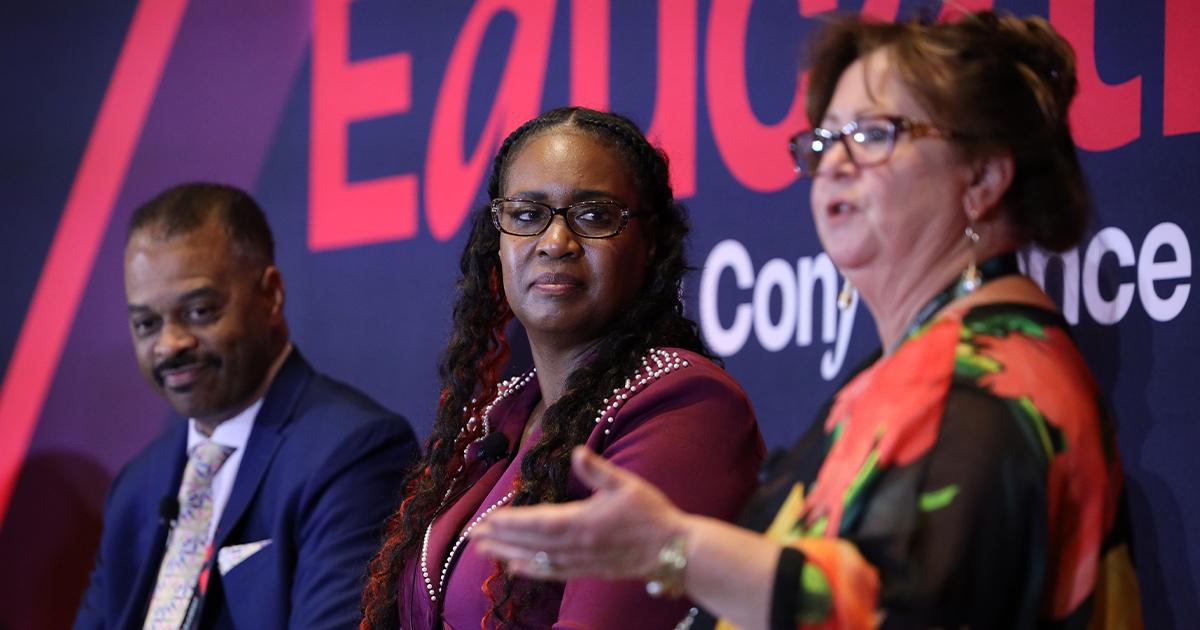
Educational leadership has always involved balancing academic excellence with effective institutional management. Today, however, the responsibilities of school and university leaders are expanding in response to changes taking place across the education sector. Digital learning, artificial intelligence, evolving workforce expectations, student wellbeing, and stronger industry collaboration are influencing how educational institutions operate and prepare learners for the future.
As these priorities continue to evolve, educational leaders are expected to guide more than daily operations. They are increasingly responsible for creating learning environments that encourage innovation, strengthen collaboration, and help institutions adapt to changing educational needs. Many of these evolving leadership priorities are being explored at global education conferences in 2026, where participants examine practical strategies to prepare institutions for the future.
TL;DR: Quick Takeaways
- Highlights why the role of school and university leaders is evolving.
- Explores the changing priorities shaping educational leadership.
- Examines the capabilities future-ready education leaders may require.
- Discusses how collaboration is influencing institutional development.
- Explains why adaptability is becoming an essential leadership quality.
Why Educational Leadership Is Evolving
The expectations placed on educational institutions have changed significantly over the past decade. Beyond delivering academic programs, schools and universities are increasingly expected to prepare learners for rapidly evolving workplaces, support lifelong learning, embrace digital technologies, and respond to changing student expectations. As a result, educational leadership is becoming more multifaceted, requiring leaders to balance academic priorities with innovation, institutional resilience, and long-term strategic planning.
According to a UNESCO survey, nearly two-thirds of higher education institutions already have or are developing guidance on the use of AI. This reflects how educational institutions are actively preparing for technological change while establishing frameworks that support responsible innovation and future-ready learning. For school and university leaders, responding to these changes involves more than introducing new programs. It requires creating institutions that can adapt continuously while ensuring students receive the knowledge, skills, and experiences needed for future opportunities.
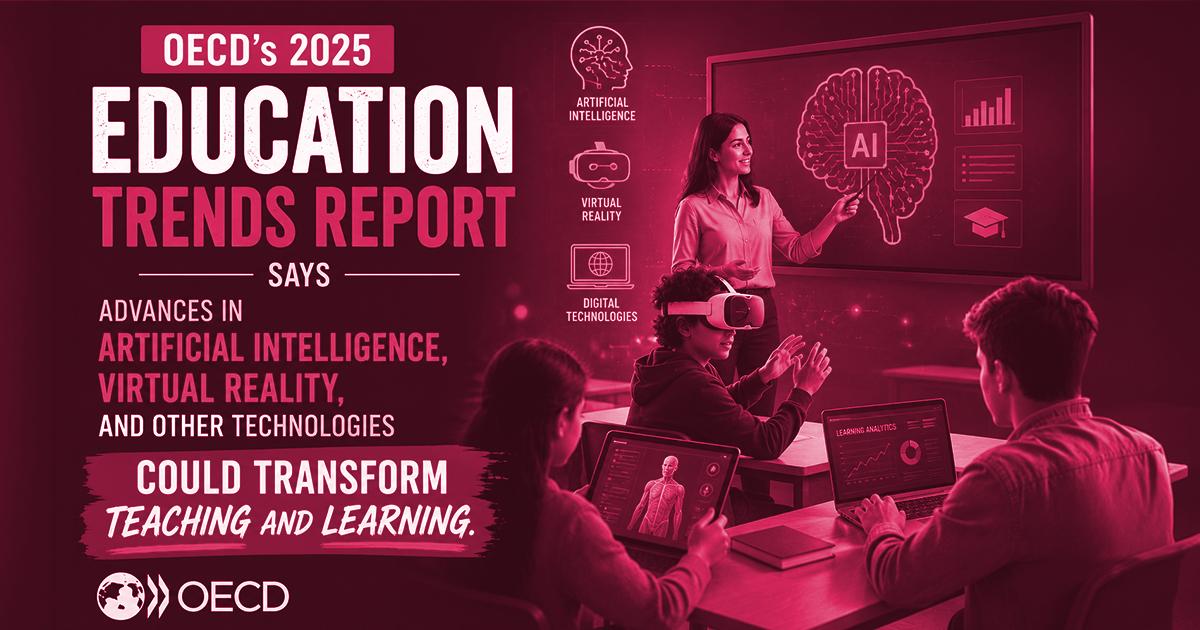
Source
5 Capabilities That Will Shape Future Education Leaders
Educational leadership is becoming increasingly strategic as institutions respond to changing learner expectations, technological advancement, and workforce transformation. Alongside maintaining academic quality, leaders are expected to strengthen collaboration, encourage innovation, and guide institutions through continuous change.
These priorities are also becoming increasingly relevant across education conferences and leadership summits, where academic leaders exchange perspectives on preparing institutions for the future. Several capabilities are becoming increasingly important for school and university leaders, including:
1. Strategic Vision
Educational leaders are expected to balance immediate institutional priorities with long-term educational goals. Developing forward-looking strategies helps institutions respond to changing learner needs while remaining aligned with future workforce expectations.
2. Digital Leadership
Technology has become an integral part of teaching, learning, and institutional management. Effective leaders encourage the responsible adoption of digital tools while helping educators and students build confidence in technology-enabled learning.
3. Collaborative Leadership
Partnerships are expanding the opportunities available to educational institutions through shared knowledge and resources. Strengthening collaboration with educators, industry partners, and communities helps create more relevant and connected learning experiences.
4. Data-Informed Decision-Making
Access to meaningful data allows leaders to make more informed academic and operational decisions. Using evidence to evaluate performance and identify opportunities for improvement supports better planning across the institution.
5. Adaptability
Educational priorities will continue evolving alongside technological, economic, and societal change. Leaders who embrace continuous improvement can help their institutions respond effectively while maintaining academic quality and supporting long-term development.
These capabilities reflect the expanding scope of educational leadership as institutions prepare students for increasingly dynamic learning and employment environments.
Educational Leadership Beyond The Classroom
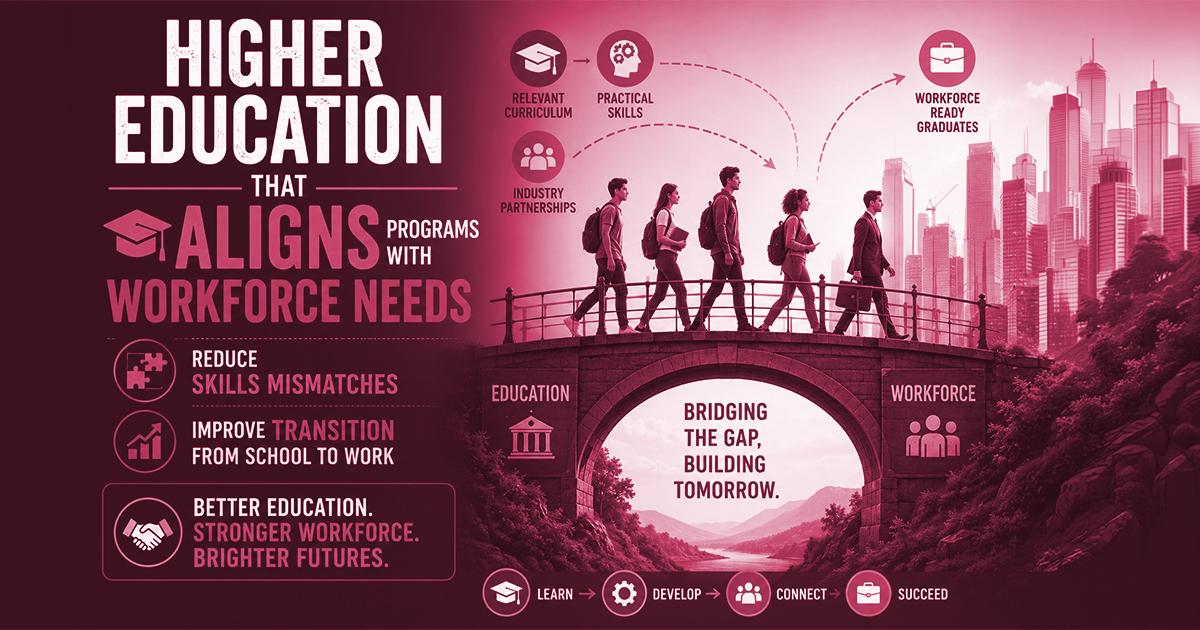
The role of school and university leaders now extends well beyond managing classrooms and academic programs. Educational institutions are increasingly collaborating with businesses, research organizations, governments, and community partners to strengthen learning opportunities and improve graduate outcomes. These partnerships help institutions align academic programs with changing workforce needs while creating opportunities for practical learning, research, and innovation.
According to the OECD's Education at a Glance 2025 report, collaborative governance ensures educational institutions produce market-ready talent. Aligning these systems reduces skills mismatches, adapts programs to economic evolution, and eases the transition from school to work. As these collaborations continue to expand, educational leaders are playing a growing role in connecting institutions with wider learning ecosystems. Their decisions increasingly influence not only student learning but also research partnerships, community engagement, and the long-term contribution educational institutions make to economic and social development.
Source
Preparing Institutions For Continuous Change
Educational institutions are operating in an environment where change has become an ongoing reality rather than an occasional challenge. Advances in artificial intelligence, evolving learner expectations, changing workforce demands, and new approaches to teaching continue to influence how education is delivered. As these developments accelerate, school and university leaders are increasingly focusing on creating institutions that can adapt without compromising academic quality or student outcomes. Preparing institutions for continuous change often involves several interconnected priorities:
1. Supporting Faculty Development
- Encourage continuous professional learning for educators.
- Help faculty adapt to emerging teaching methodologies.
- Strengthen digital and instructional capabilities.
2. Encouraging Curriculum Innovation
- Regularly review academic programs to reflect emerging industry needs.
- Promote interdisciplinary and experiential learning opportunities.
- Balance foundational knowledge with future-focused skills.
3. Strengthening Student-Centered Learning
- Create learning environments that respond to diverse student needs.
- Encourage active participation and collaborative learning.
- Support both academic achievement and student well-being.
4. Building Institutional Agility
- Develop strategies that enable institutions to respond to change more effectively.
- Encourage innovation while maintaining academic standards.
- Improve organizational resilience through long-term planning.
5. Promoting A Culture Of Continuous Improvement
- Use institutional insights to guide future planning.
- Encourage collaboration across departments.
- Regularly evaluate initiatives to support sustainable growth.
The Future Of Educational Leadership
As educational priorities continue to evolve, leadership will remain one of the most significant factors influencing how schools and universities respond to change. Technology, workforce expectations, and student needs will continue to shape the educational landscape, making adaptability, collaboration, and strategic planning increasingly important for institutional success.
For educators, academic administrators, policymakers, and institutional leaders seeking to explore these evolving priorities, the Singapore Edition of the Education 2.0 Conference provides an opportunity to engage in discussions on educational innovation, leadership, digital transformation, and the future of learning with experts from across the global education community. If you are interested in participating in these discussions, you can register for the upcoming three-day education summit on the official conference website.
FAQs
1. What skills are becoming important for future education leaders?
- Strategic planning, digital leadership, collaboration, adaptability, data-informed decision-making, and change management are becoming increasingly valuable.
2. How does technology influence educational leadership?
- Technology supports digital learning, institutional management, data-informed planning, and new teaching approaches, requiring leaders to guide its effective and responsible implementation.
3. Are there opportunities to connect with global education leaders at the Education 2.0 Conference?
- Yes. The three-day education conference brings together participants from different countries and educational backgrounds, providing opportunities to exchange global perspectives and build international professional networks.
4. How can educational institutions prepare for continuous change?
- Institutions can strengthen adaptability by investing in faculty development, regularly reviewing curricula, encouraging innovation, and building resilient organizational strategies.
5. What topics are explored at the Education 2.0 Conference?
- The education conference features discussions on educational leadership, digital transformation, AI in education, student success, curriculum innovation, institutional strategy, lifelong learning, and emerging trends shaping the future of education.