Education has continually evolved to meet the changing needs of societies, economies, and learners. New technologies, shifting workforce demands, and expanding access to information are influencing how learning experiences are designed and delivered worldwide. Educational institutions are increasingly exploring innovative approaches to help learners develop relevant skills as they adapt to a rapidly changing environment. Have you ever wondered which education innovations are likely to have the greatest impact over the next decade?
Answering that question requires looking at the forces currently transforming education. Innovation continues to gain importance as institutions and organizations explore new ways to expand access, personalize learning experiences, and prepare learners for future opportunities. Such developments are also becoming increasingly visible across global education conferences in 2026. Understanding what may shape the future of learning requires examining the innovations, technologies, and approaches influencing education today.
TL;DR: Key Takeaways
- Educational innovation is influencing how learning is delivered and experienced.
- Personalized learning models continue to gain momentum.
- Artificial intelligence is creating new opportunities for educators and learners.
- Skills-based education is becoming increasingly important.
- Lifelong learning ecosystems are expanding.
- Several emerging trends may shape the future of education over the next decade.
The Changing Dynamics Of Modern Education In 2026
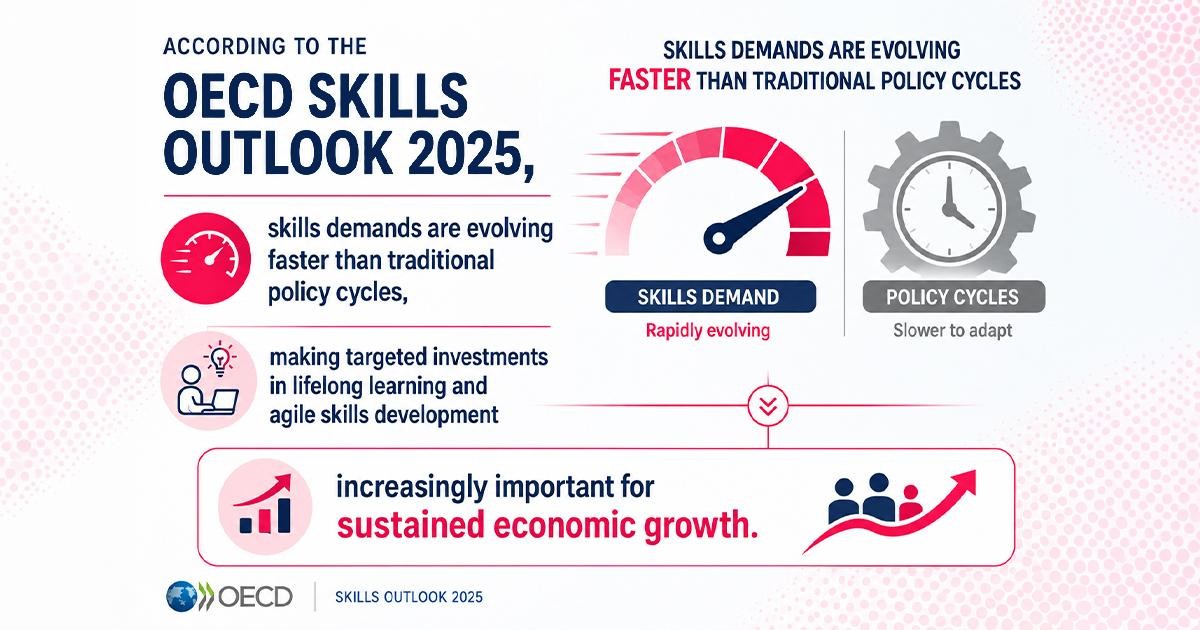
Education is increasingly connected to broader social and economic priorities. Employers are seeking new skills, learners expect greater flexibility, and institutions are exploring ways to improve engagement and outcomes. These changes are encouraging educators to rethink traditional approaches and consider how innovation can support evolving learning needs.
According to a ResearchAndMarkets report published via Business Wire, the E-Learning Market was valued at USD 325 Billion in 2025, and is projected to reach USD 665.06 Billion by 2031, rising at a CAGR of 12.68%. This growth reflects increasing investment in digital learning solutions as educational institutions, businesses, and governments continue expanding technology-enabled learning opportunities. Given below are some of the factors that are contributing to this shift:
- Workforce Expectations: Rapid changes across industries are increasing the demand for new skills and continuous professional development.
- Greater Access To Technology: Digital tools are creating opportunities to reach learners across different locations and learning environments.
- Diverse Learning Needs: Students often benefit from learning experiences that accommodate different abilities, preferences, and goals.
- Global Knowledge Sharing: Educational institutions can increasingly collaborate across borders and exchange ideas, resources, and best practices.
Source
How Education Could Evolve Over The Next Decade
The future of education will likely be shaped by technological advancements, evolving learner expectations, and changing workforce requirements. Educational institutions, policymakers, and industry leaders are increasingly exploring approaches that can enhance learning experiences and improve long-term outcomes. Identifying which innovations may have the greatest impact remains an important priority as education continues to evolve.
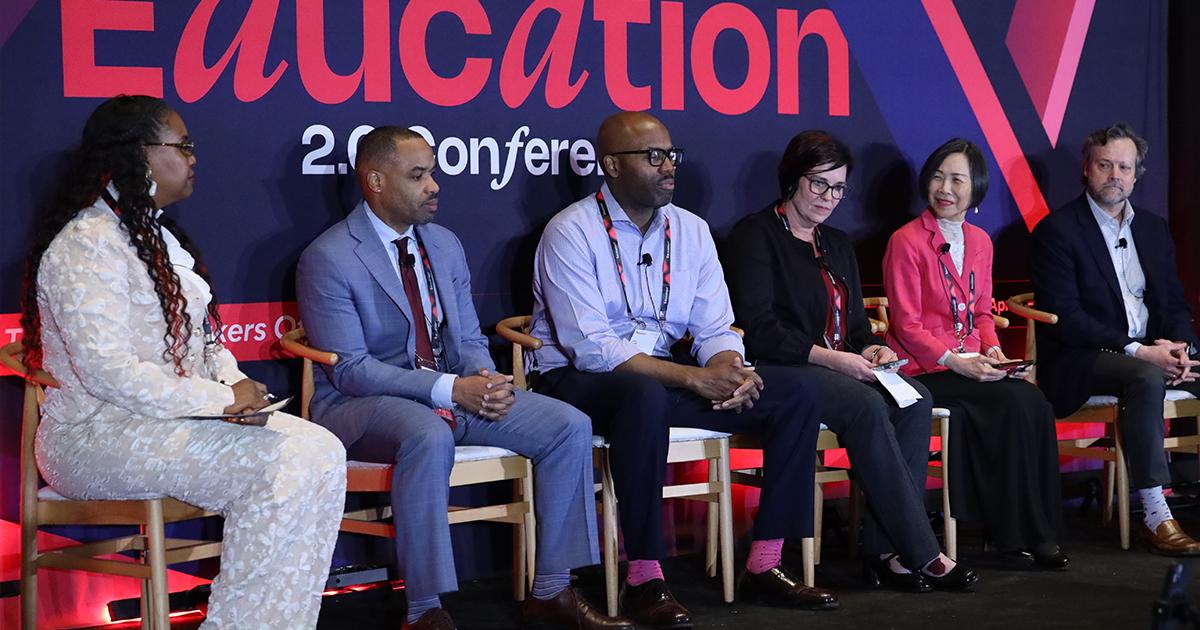
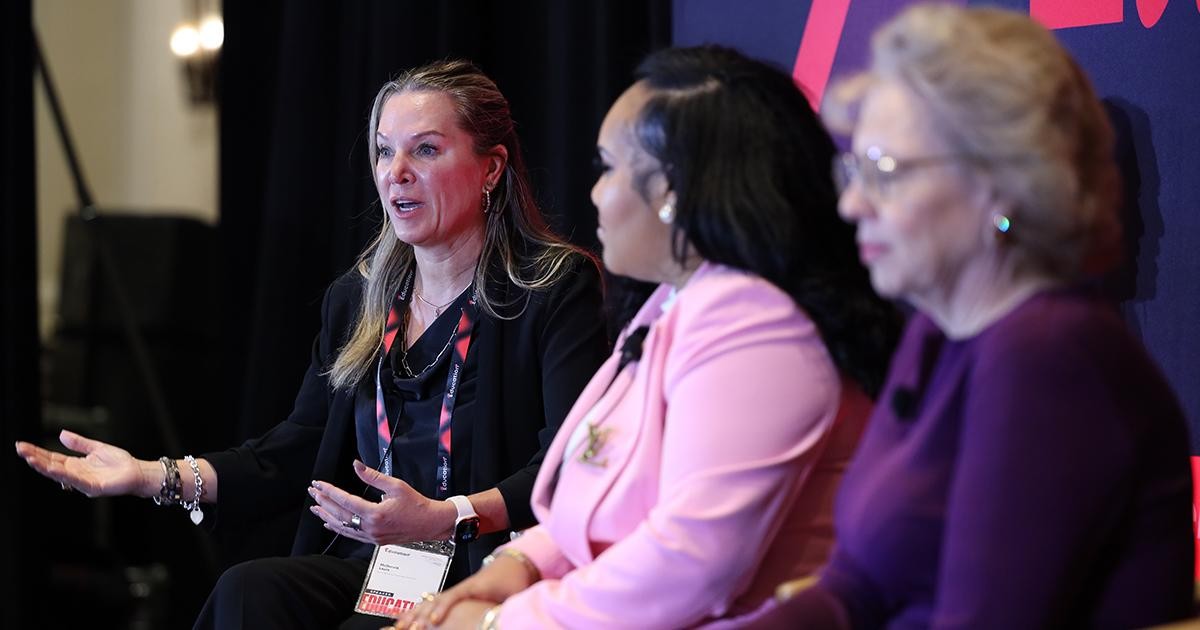
These developments are also attracting attention at global education conferences and events, where experts examine the trends influencing the future of learning. While predicting the future of education is never straightforward, several innovations are emerging as potential drivers of change in the years ahead, which are as follows:
-
Artificial Intelligence In Learning
Artificial intelligence is increasingly being incorporated into educational platforms and learning tools. AI can help analyze learning patterns, provide personalized recommendations, and support educators in managing administrative responsibilities. Its growing role may allow teachers to spend more time focusing on student engagement while supporting more individualized learning experiences.
-
Personalized Learning Pathways
The traditional approach to education is gradually giving way to more customized learning journeys. Educational technologies can help learners progress at their own pace while providing access to content aligned with individual strengths and areas for improvement. This approach may contribute to greater engagement by allowing learners to take a more active role in shaping their educational experiences.
-
Immersive Learning Technologies
Virtual reality, augmented reality, and simulation-based learning are creating opportunities for more interactive educational experiences. These technologies can help learners explore concepts in ways that may be difficult to replicate through traditional instruction alone. Applications are emerging across disciplines ranging from healthcare and engineering to science and vocational training.
-
Skills-Based Education Models
Growing attention is being placed on what learners can demonstrate rather than solely on how long they spend in a classroom. Skills-based learning frameworks are helping institutions align educational outcomes with evolving workforce requirements. This shift may encourage stronger connections between education, employability, and career development.
-
Lifelong Learning Ecosystems
Learning is increasingly extending beyond formal education. Professionals, organizations, and individuals are participating in ongoing learning opportunities throughout their careers. The continued growth of online learning platforms, professional development programs, and micro-credential initiatives reflects the expanding importance of lifelong learning.
How Education Is Redefining The Learning Experience
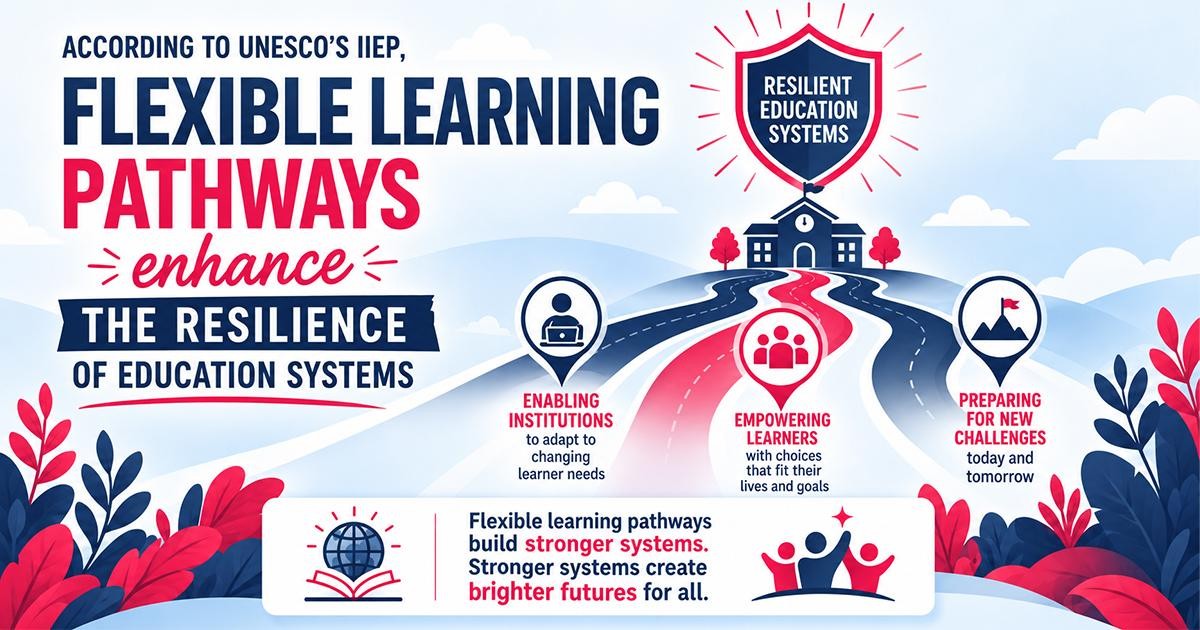
Has it ever struck you how educational experiences might look ten years from now? Emerging trends suggest that future learning environments could become more flexible, connected, and tailored to the needs of individual learners. Hybrid models that combine in-person and digital experiences are likely to remain an important part of the educational landscape. Learning may also become more accessible through technologies that allow students to participate from different locations while maintaining meaningful engagement.
According to a report, hybrid and online models are increasingly reshaping traditional campuses as institutions seek more flexible learning pathways. Moreover, educational institutions may place greater emphasis on collaboration, interdisciplinary learning, and practical skill development. Access to real-time learning data could help educators make more informed decisions while supporting continuous improvement in teaching strategies and student outcomes.
Source
Overcoming Barriers To Educational Innovation
While education innovation presents significant opportunities, successful implementation often depends on addressing several practical considerations. Institutions must balance innovation with accessibility, quality, and long-term sustainability. Some of the challenges that may influence future adoption include:
- Digital access disparities across regions and communities.
- Training and support requirements for educators.
- Integration of new technologies into existing systems.
- Data privacy and cybersecurity considerations.
- Measuring the effectiveness of emerging learning approaches.
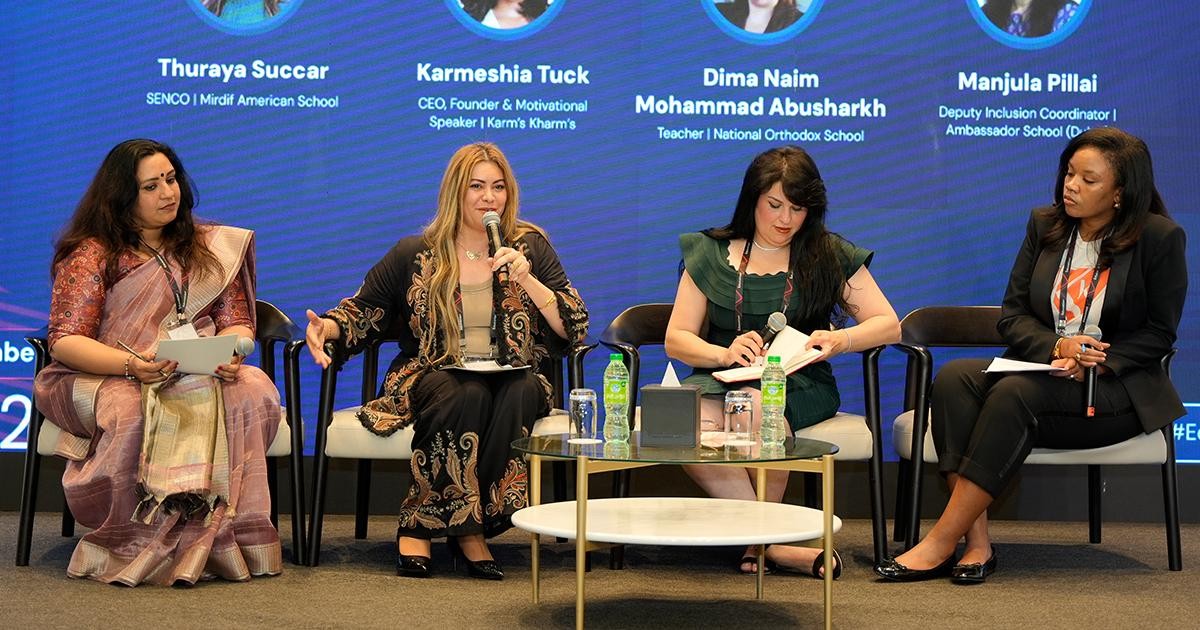
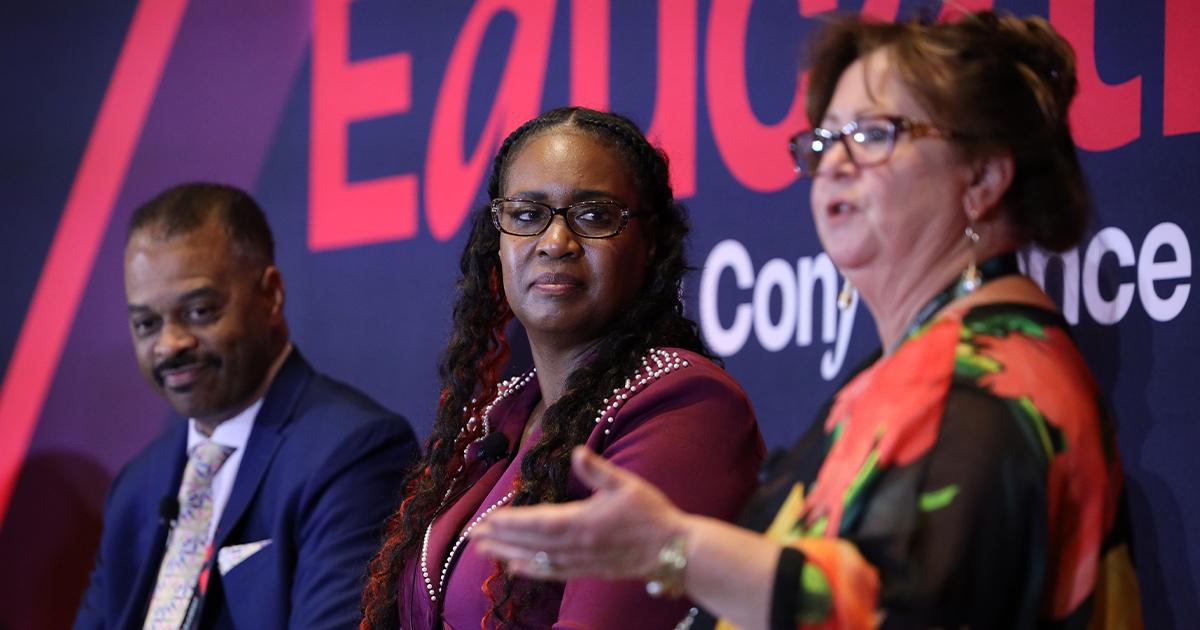
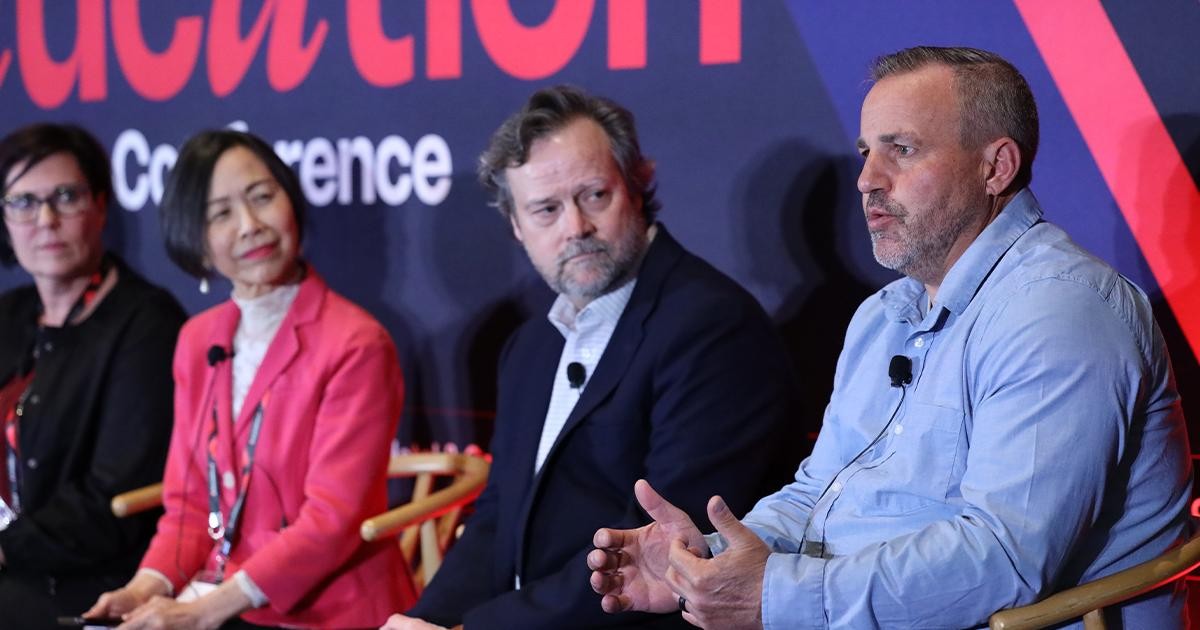
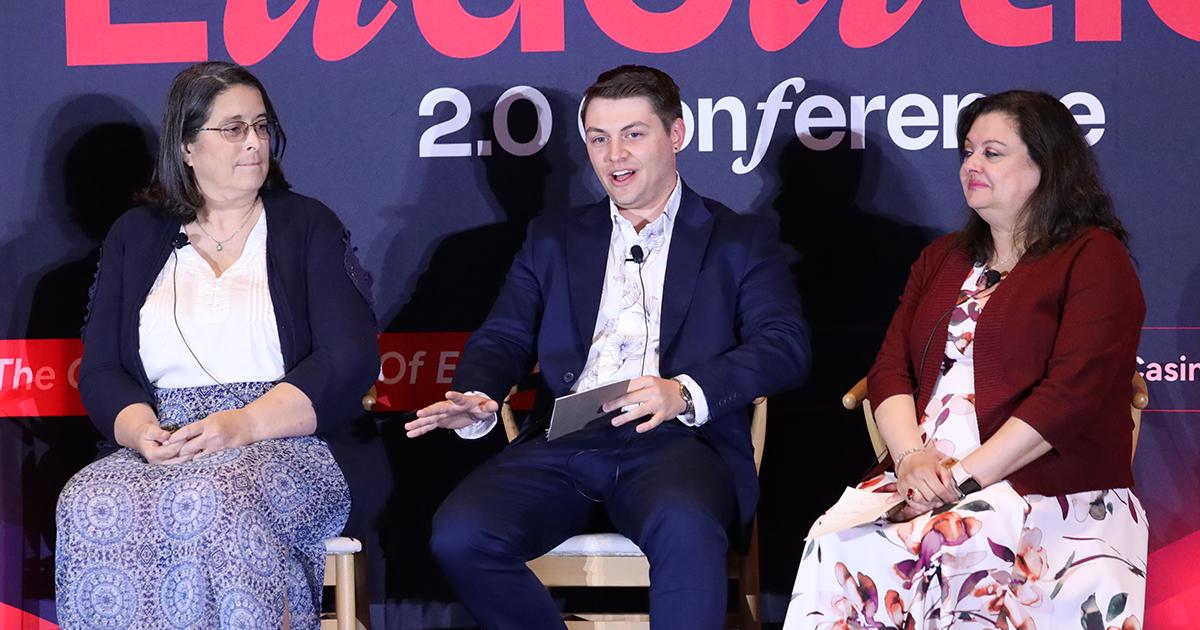
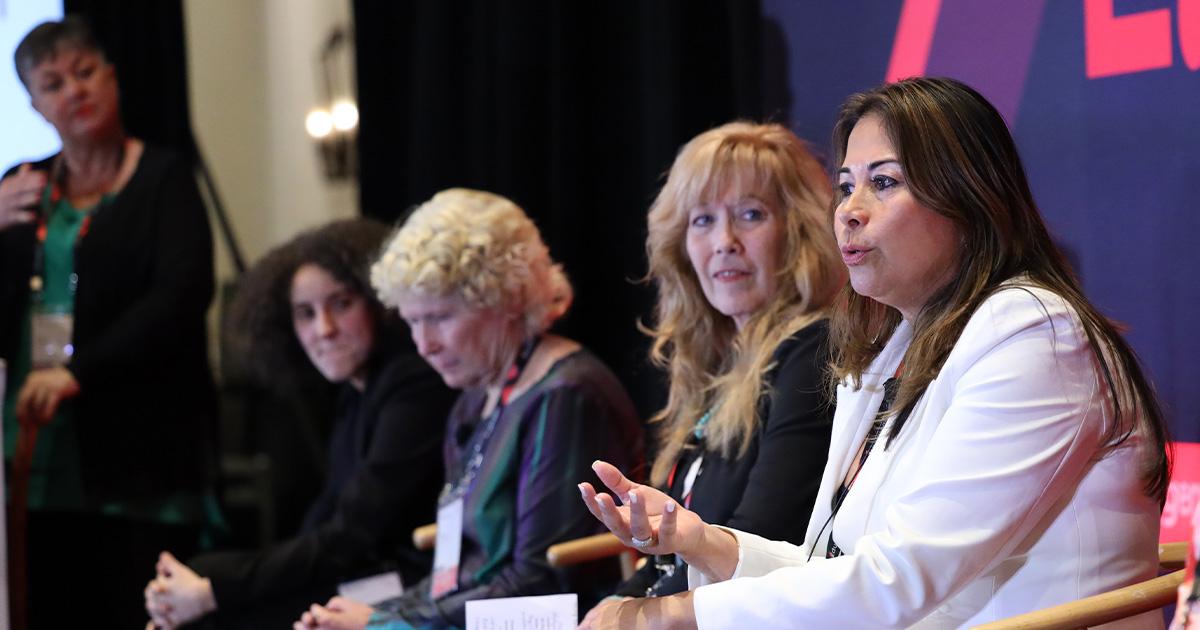
Addressing these challenges will likely require collaboration among educators, policymakers, technology providers, and industry leaders. Their collective efforts may help ensure that innovation contributes to meaningful and equitable educational outcomes. Supporting this approach, the upcoming education events of 2026, such as the Dubai Edition of the Education 2.0 Conference, provide opportunities for stakeholders to exchange insights and explore strategies for advancing education in a rapidly evolving world.
Rethinking Education For A Changing World
The next decade is likely to bring continued transformation across the education sector. Emerging technologies, evolving workforce expectations, and changing learner needs will continue influencing how education is designed and delivered. The most impactful innovations may be those that improve accessibility, strengthen engagement, and create opportunities for continuous learning throughout life.
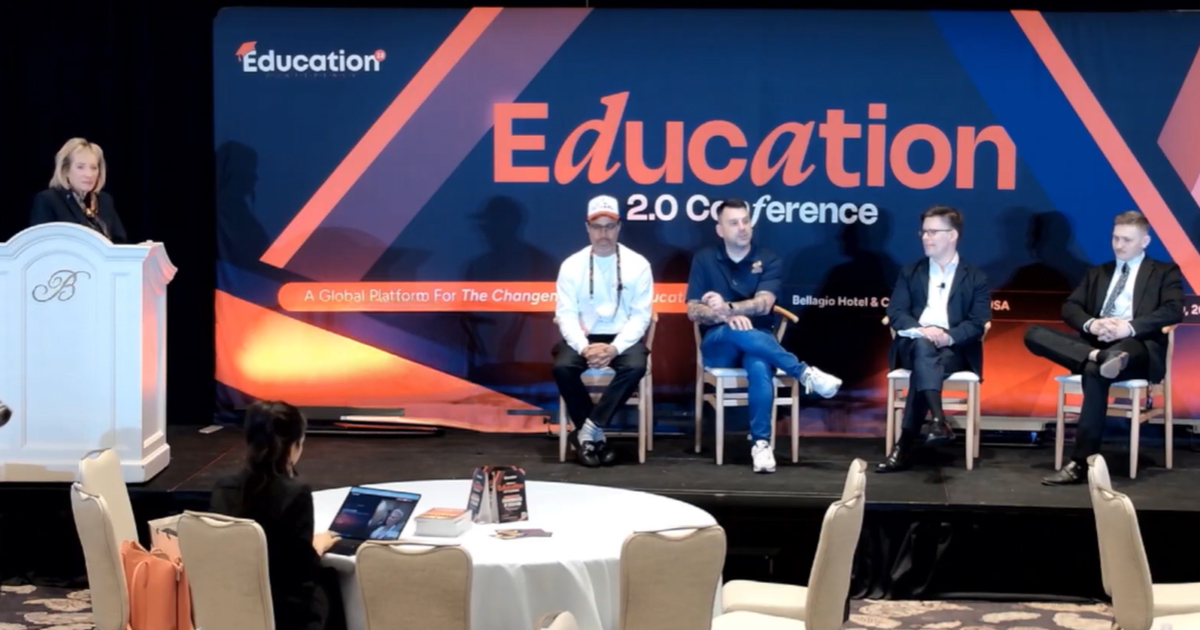
These trends continue to shape the themes of global education conferences and events. Educators, administrators, policymakers, and industry professionals interested in exploring the future of learning can attend the upcoming Education 2.0 Conference, scheduled for December 6–8, 2027, to gain insights into emerging innovations and educational strategies. Individuals interested in participating can purchase a pass directly through the official conference website.
FAQs
1. Why is personalized learning gaining attention?
A. Personalized learning can help accommodate different learning styles, needs, and goals while supporting greater learner engagement and flexibility. It also enables educators to design learning experiences that better align with individual progress and evolving skill requirements.
2. What is skills-based education?
A. Skills-based education focuses on developing and demonstrating specific competencies that can be applied in academic, professional, and real-world settings. It places greater emphasis on practical application, helping learners build capabilities that align with evolving industry and workforce requirements.
3. What are the upcoming education events in Dubai in 2026?
A. Dubai is expected to host a variety of education-focused events that bring together educators, policymakers, researchers, and industry leaders. The Education 2.0 Conference is among the notable gatherings exploring trends and innovations shaping the future of learning.
4. Why is lifelong learning becoming important?
A. Rapid changes across industries are encouraging individuals to continue developing knowledge and skills throughout their careers. Lifelong learning helps professionals remain relevant in evolving job markets while preparing them for emerging roles and technologies.
5. How can I register for the Education 2.0 Conference?
A. Individuals interested in attending the upcoming Dubai Edition of the Education 2.0 Conference can purchase a pass directly through the official conference website, where event details and participation options are available.