What Role Does Student Voice Play In The Future Of Education? Reflections From Education 2.0 Conference’s Las Vegas Edition
Posted on : August 24, 2026
For years, schools have focused on helping students build knowledge, develop skills, and prepare for future success. Yet as educational environments continue to evolve, another question has become increasingly important: do students feel heard?
Beyond academics, students are navigating social pressures, personal challenges, and a rapidly changing world. As a result, educators are recognizing that meaningful learning requires more than a strong curriculum and high standards. Students also need environments where they feel valued, understood, and confident that their perspectives matter.
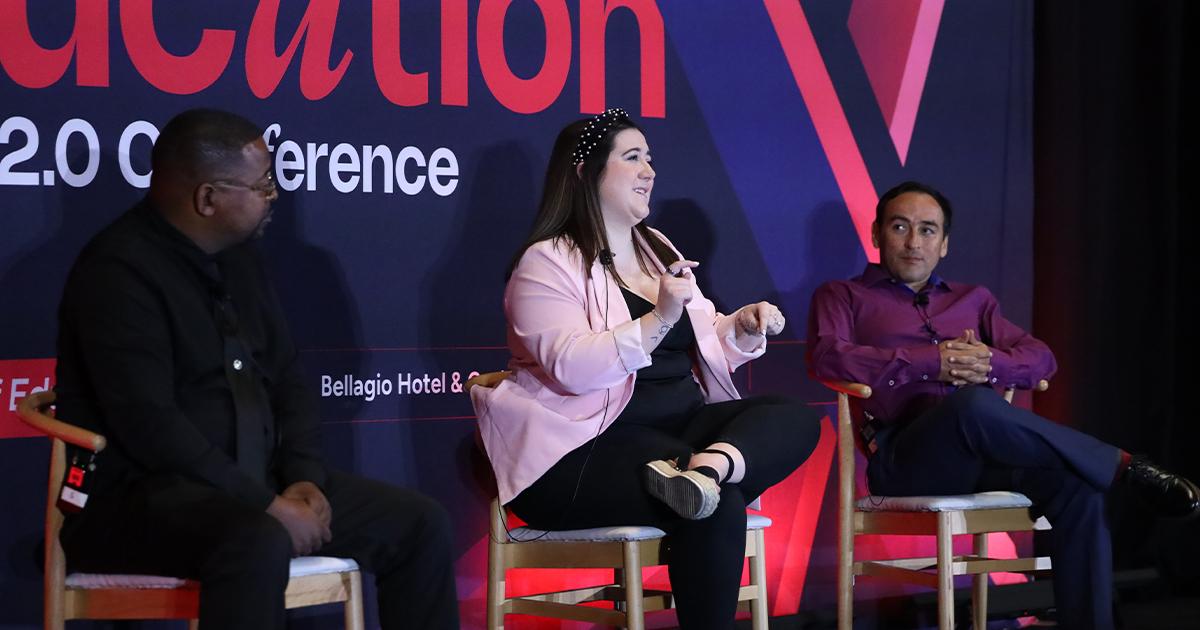
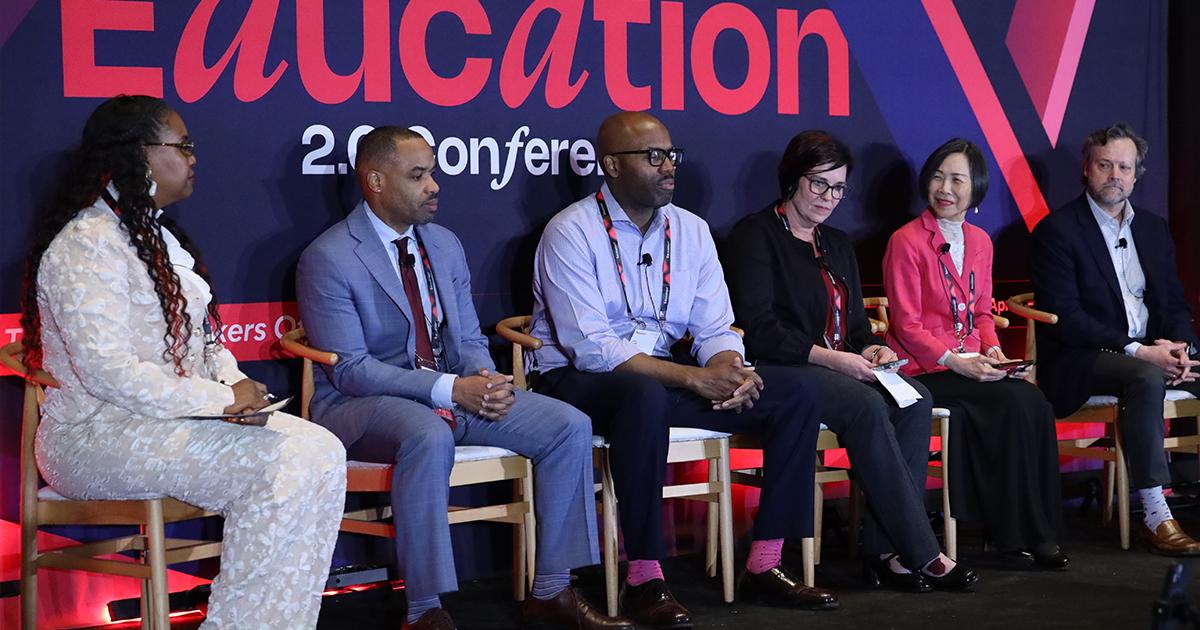
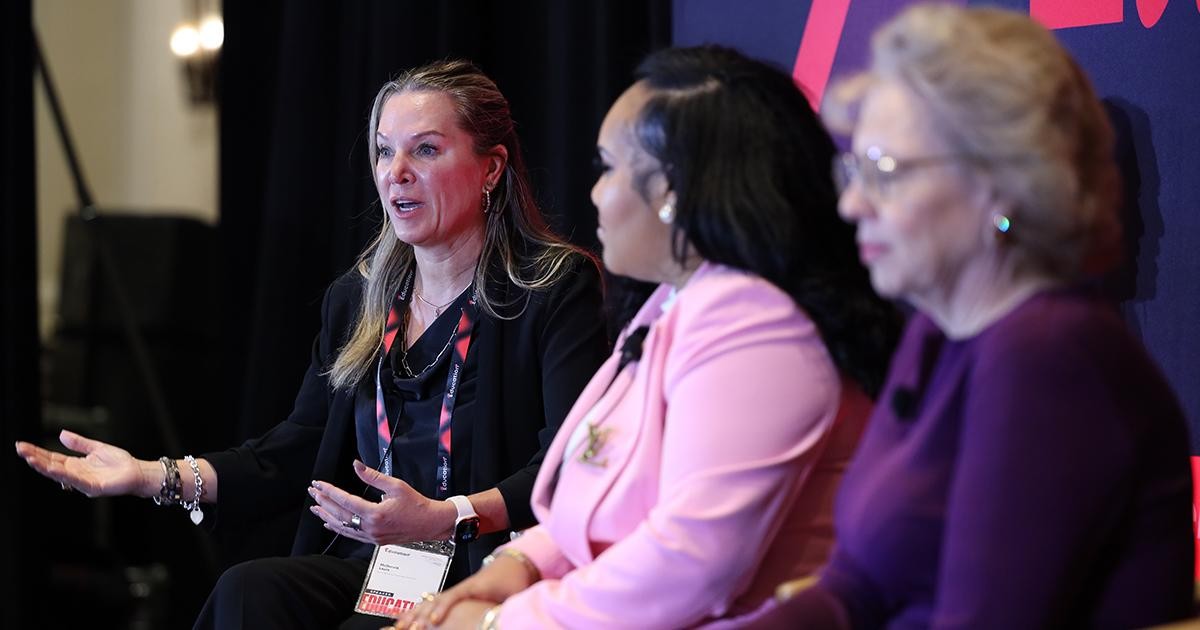
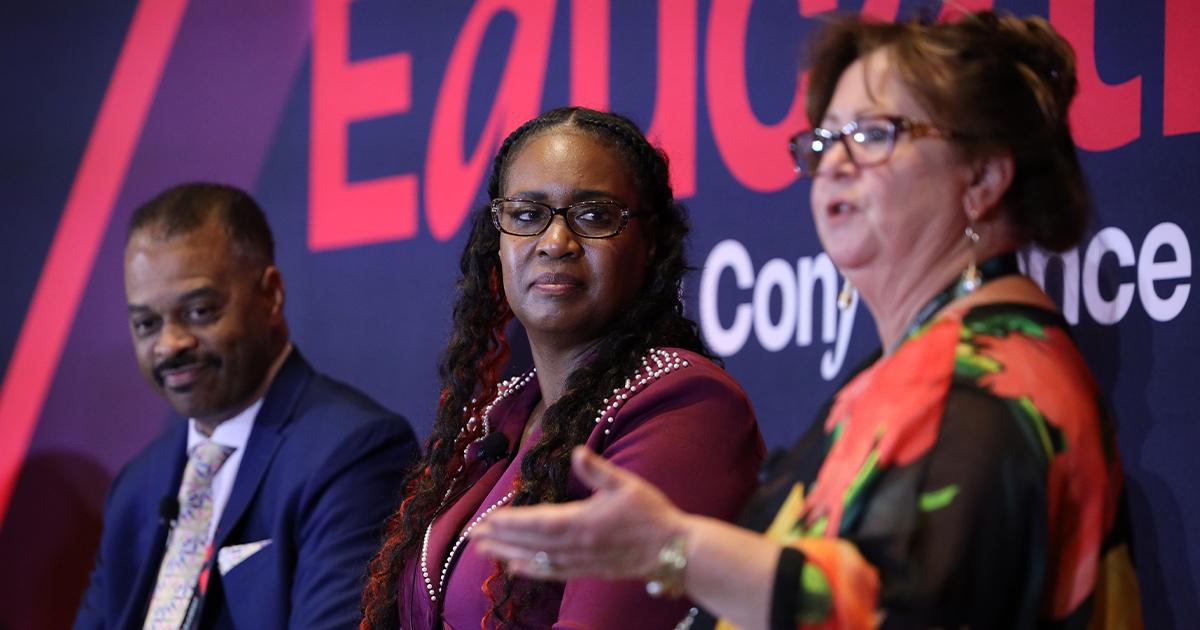
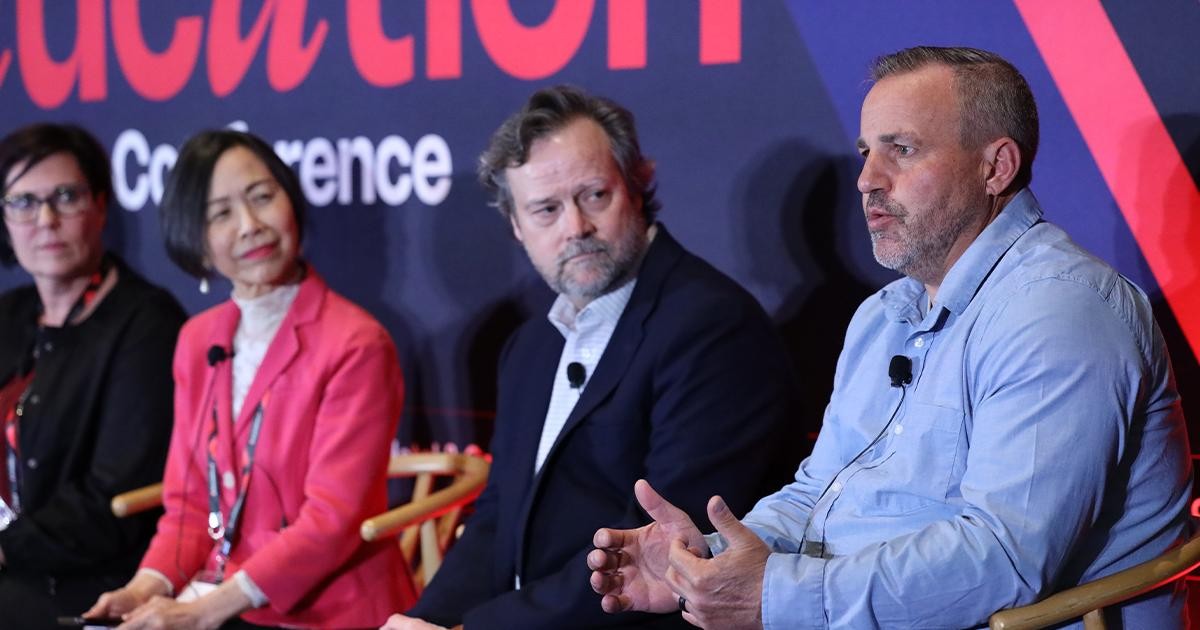
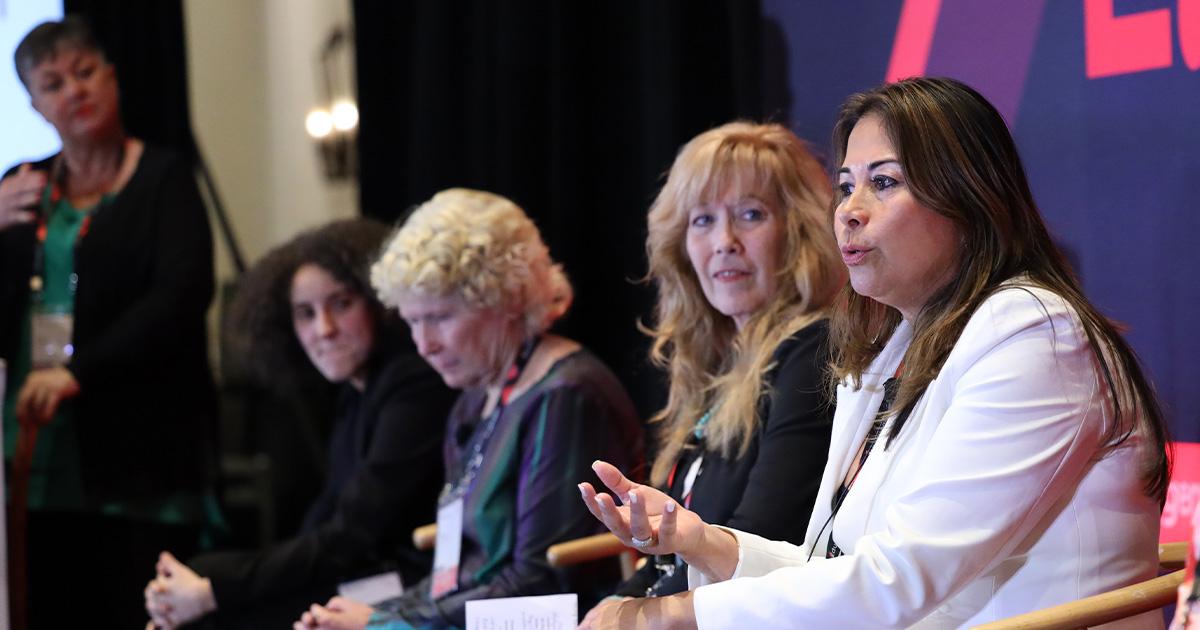
This question shaped the discussion during Are We Listening? Giving Students A Voice In Their Education, a panel session presented at the Education 2.0 Conference, held at the Bellagio Hotel & Casino in Las Vegas, Nevada, USA, from April 7–9, 2026. Moderated by Barbara Garza alongside panelists Brian Barber, Michael Hildebrandt, Brenton DeFlitch, and Steven Faerm, the session explored how schools can create cultures where students feel heard, supported, and empowered. What followed was a thoughtful conversation about trust, care, belonging, and the role student voice plays in shaping meaningful educational experiences.
When Student Voice Becomes Real Agency
Participation and agency are often used interchangeably in education, yet the discussion highlighted an important distinction between the two. While participation allows students to take part in activities and conversations, agency gives them the confidence and opportunity to influence decisions that affect their learning and communities.
Brian Barber, Founder of MNS Educational Media LLC, described agency as self-advocacy and ownership, emphasizing the importance of helping students take responsibility for their choices and future paths. Building on that idea, Brenton DeFlitch, Founder of Alder Branch LLC, encouraged educators to consider whether students actually know where their voices matter within a school. Student voice becomes meaningful when learners are trusted to contribute, take ownership, and actively shape their educational experiences.
One of the strongest observations from the session came when DeFlitch pushed back against the idea of symbolic participation.
“If you’re at a school where the advocacy is kids get to choose the t-shirt, kids get to choose the event, that is not real advocacy, and kids know that.”
His point highlighted a growing reality in education. Students are not simply looking for opportunities to participate in activities. They want opportunities to contribute to meaningful discussions, identify problems, and help create solutions. When schools trust students with those responsibilities, participation begins to evolve into true agency.
The COVID Lesson: Understanding Care Differently
Few experiences tested relationships between students and educators more dramatically than the COVID-19 pandemic.
Reflecting on that period, DeFlitch described hearing adults repeatedly say that students no longer cared about school. Assignments were being missed, engagement was declining, and frustration was growing. Yet when schools took the time to listen directly to students, a different perspective emerged.
Students felt that adults did not care about them. That realization transformed the conversation. The issue was not a lack of care on either side. Rather, students and educators were expressing care differently and failing to recognize it in one another.
As Brenton DeFlitch, Founder of Alder Branch LLC, explained, “Agency first starts with stopping talking and creating the structures to listen.”
The discussion challenged schools to move beyond treating student voice as an occasional initiative. When listening becomes a consistent part of school culture, students are more likely to feel invested in their learning and their communities.
It also highlighted that students want more than opportunities to speak; they want to know their perspectives matter. When schools demonstrate that student input is valued and considered, trust grows, creating stronger partnerships between students and educators.
Why School Culture Matters
Creating opportunities for student voice is only part of the equation. Students must also feel safe enough to use them.
Drawing on her experiences across public schools, private schools, and AESA Prep Academy, Barbara Garza, Executive Director at AESA Prep Academy, emphasized that students are far more likely to use their voice when they feel safe and supported within their learning environment. As she noted, “When they know they're in a safe place, they're not afraid to have agency.” While she acknowledged that fostering this culture becomes more challenging as schools grow larger, she argued that creating an environment built on trust, belonging, and respect remains essential for meaningful student engagement.
Her perspective reflected years of working in very different educational settings. Regardless of school size or student demographics, she observed that students are far more likely to advocate for themselves when they feel supported and respected.
The conversation suggested that student voice cannot thrive in environments shaped by fear, criticism, or dismissal. Instead, schools must intentionally cultivate trust, belonging, and respect. Once that foundation is established, students become far more willing to share ideas, raise concerns, and participate in meaningful ways.
Building Trust Through Partnership
Trust emerged as another recurring theme throughout the discussion. Rather than viewing education as a relationship defined entirely by authority, Steven Faerm, Professor at Parsons School of Design, encouraged educators to think about how students experience those relationships. He argued that trust develops when communication becomes more collaborative and less hierarchical.
As Faerm explained, “It’s a side-by-side relationship. It’s a more porous conversation. It’s not hierarchical.”
That perspective resonated because it reframed student voice as an ongoing dialogue rather than a one-time opportunity for feedback. Students are more likely to trust educators when they understand not only what decisions are made but also why those decisions are made.
Throughout the education summit, transparency emerged as an essential component of trust-building. The discussion highlighted that even when students disagree with outcomes, a clear understanding of the rationale behind decisions can foster a greater sense of respect, inclusion, and engagement.
Learning From Students And From Each Other
Some of the strongest support systems in education are built through peer connections. Whether through mentorship programs, advisory groups, or buddy initiatives, these relationships help students build confidence, navigate challenges, and develop a stronger sense of belonging.
Peer support is particularly valuable because students often feel more comfortable opening up to those who have faced similar experiences. Alongside guidance from educators, these connections create opportunities for trust, encouragement, and shared learning.
One example highlighted how a group of students chose to learn sign language to communicate with a deaf classmate. What began as an act of support soon became a shared learning experience that strengthened inclusion within the school community.
The story reflected a broader theme throughout the discussion: when students are trusted and empowered, they often demonstrate empathy, initiative, and leadership in ways that can positively shape the communities around them.
Developing The Whole Child
Academic performance may dominate many educational conversations, but the panel encouraged attendees to think more broadly about student development.
Michael Hildebrandt, Owner & CEO of CrossFit Bolster, challenged educators to consider how students learn outside the classroom. “There aren’t bad kids out there. There are just hard situations and hard scenarios that we have to connect with.”
His perspective highlighted the importance of understanding students as individuals rather than viewing challenges solely through the lens of behavior or performance.
Hildebrandt also expressed concern that many young people now spend less time outdoors and more time interacting through technology. Opportunities for movement, exploration, and real-world experiences have become increasingly limited for many students.
For him, physical activity contributes to far more than health. It supports confidence, resilience, social development, and identity formation.
Barber expressed this sentiment while emphasizing that schools should focus on developing people rather than producing identical outcomes. As he put it, “We don’t want to create robots.”
His example of teaching money concepts through an ice-cream-shop simulation illustrated this philosophy in practice. By connecting learning to experiences students already understood, he transformed a difficult lesson into an engaging and memorable experience.
Together, these perspectives reinforced a broader message: education becomes more meaningful when it recognizes the social, emotional, physical, and personal dimensions of learning.
Supporting Students Means Supporting Educators
Strong relationships require time, consistency, and energy resources that many educators feel are increasingly stretched. Teacher burnout emerged as an important topic throughout the session, particularly in larger school systems where educators are expected to balance academic instruction, behavioral support, emotional guidance, family communication, and administrative responsibilities simultaneously.
Garza reflected on how many teachers begin their careers with enthusiasm and a desire to make a difference. Over time, however, growing demands can make that commitment difficult to sustain.
Rather than viewing student voice as another task added to an already overwhelming workload, the panel suggested that stronger relationships can actually help educators better understand student needs, improve classroom culture, and create more meaningful learning experiences.
Listening As A Foundation For Learning
At a time when schools are preparing students for an increasingly complex world, listening may be one of education's most valuable practices. Academic success remains important, but students are more likely to thrive when they feel respected, supported, and connected to their communities.
Creating that environment requires more than inviting students to share opinions. It demands trust, transparency, and meaningful participation. When students are treated as active contributors rather than passive recipients, relationships grow stronger and learning becomes more meaningful.
The ideas explored at the Education 2.0 Conference reinforced a powerful message: student voice is not an addition to education—it is an essential part of it. As educators continue to explore new ways to create inclusive and engaging learning environments, staying connected to industry discussions becomes increasingly important. Participating in upcoming education conferences can provide fresh perspectives, practical strategies, and valuable networking opportunities that help turn these insights into meaningful action.
FAQs
Who Can Benefit From Attending The Education 2.0 Conference?
The conference is designed for educators, school administrators, researchers, policymakers, EdTech professionals, academic leaders, consultants, and individuals interested in the future of education and learning innovation.
How Can Schools Measure Whether Student Voice Initiatives Are Effective?
Schools can assess the effectiveness of student voice initiatives by tracking student engagement, gathering regular feedback, monitoring participation in decision-making processes, and evaluating whether student recommendations lead to meaningful actions or improvements.
What Are The Long-Term Benefits Of Developing Student Agency?
Developing student agency can help learners build confidence, critical-thinking skills, self-advocacy, and decision-making abilities. These skills often contribute to greater academic motivation and better preparation for future educational and career opportunities.
How Does The Education 2.0 Conference Support Professional Development?
Through keynote presentations, panel discussions, networking opportunities, and knowledge-sharing sessions, the conference enables attendees to gain insights from experienced professionals and explore new ideas impacting education.
How Can Families Support Student Voice Outside Of School?
Families can encourage student voice by creating open communication, actively listening to their children’s perspectives, involving them in age-appropriate decisions, and supporting opportunities that help them develop confidence, responsibility, and leadership skills.
The manager of the Education 2.0 Conference, Sai Narula, has a strong interest in modern developments in education. The Education 2.0 Conference is prepared to bring together researchers, policymakers, and innovators in the field of education technology under one roof to discuss current issues and highlight disruptive technologies, tools, and practices that can help you fight spam, fraud, and other problems that plague the educational sector.