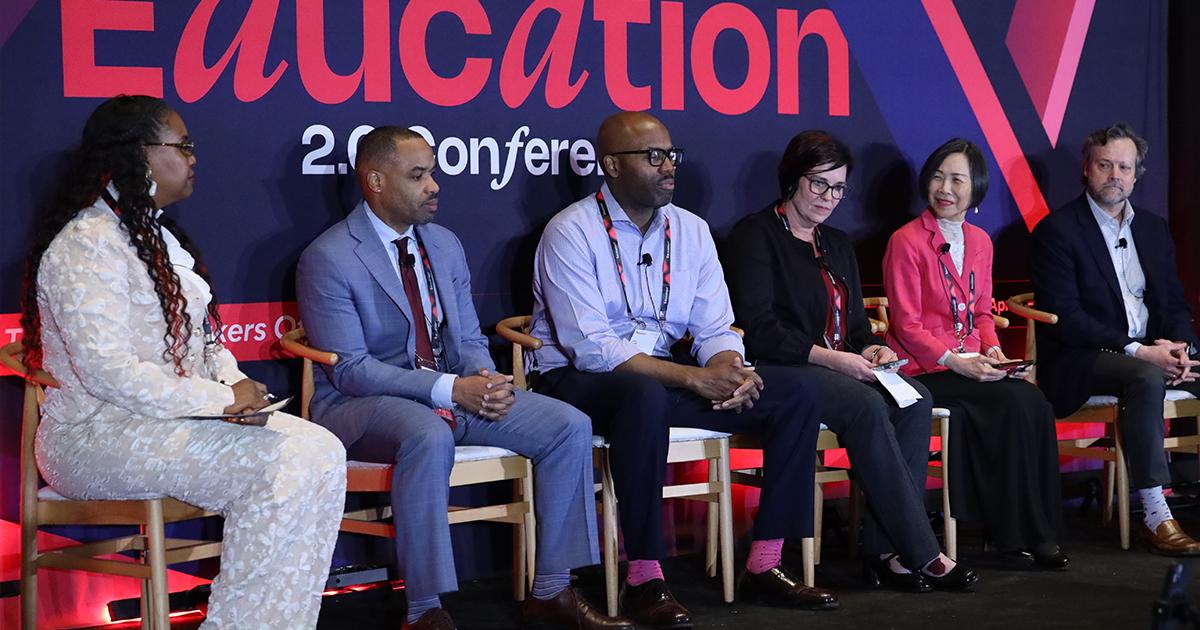
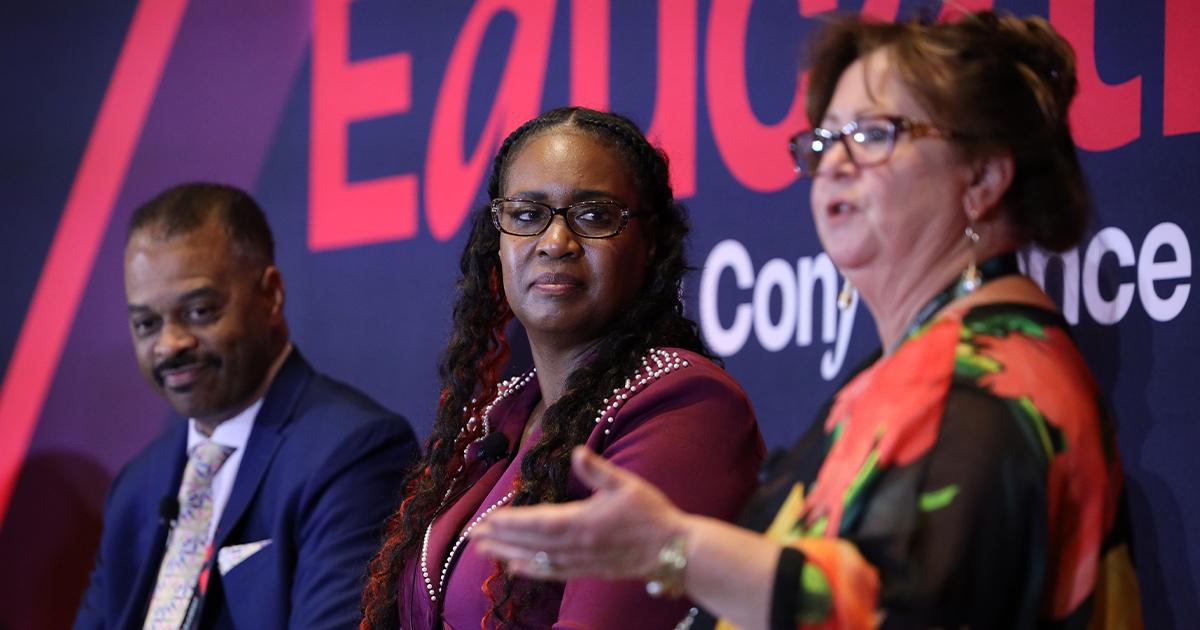
Education systems have long benefited from cross-border collaboration, enabling students, researchers, and institutions to share knowledge and expand learning opportunities beyond national boundaries. However, global developments are increasingly influencing how these systems operate, shaping everything from student mobility to institutional partnerships and research exchange. These shifts are gaining attention at the 2027 education summits in Dubai, where educators and policy experts plan to discuss global developments affecting learning systems and institutional priorities.
Before recent changes in global mobility patterns, UNESCO reported that more than 7.3 million students were enrolled in global education programs, reflecting the scale of academic exchange and its sensitivity to broader external factors. As education becomes more interconnected with global developments, institutions are rethinking how they design learning systems, support students, and build long-term academic strategies. These developments are crucial in guiding education systems toward greater responsiveness and inclusivity in an evolving global landscape.
TL;DR Quick Overview
- Global developments are influencing education systems and student mobility.
- International collaboration in education is evolving across regions.
- Research partnerships and academic exchange are becoming more structured.
- Curriculum priorities are shifting toward globally relevant skills.
- Digital access and infrastructure are shaping learning opportunities.
The Growing Impact Of Global Developments On Education
Education has always been shaped by global exchange, whether through student mobility, academic research, or institutional partnerships. Today, these connections are increasingly influenced by broader global developments that affect how easily knowledge, talent, and resources move across regions.
As Nelson Mandela once said, “Education is the most powerful weapon which you can use to change the world.” This perspective highlights why education systems remain closely linked to global progress. As global collaboration evolves, institutions are placing greater focus on how external developments impact access, opportunity, and knowledge sharing through:
1. Student Mobility Across Regions
Student movement across countries continues to evolve due to shifting policies, institutional partnerships, and regional education hubs. While some destinations remain highly popular, new academic centers are emerging, offering alternative pathways for global learners. This diversification is encouraging institutions to rethink recruitment strategies and strengthen international engagement models.
2. Research Collaboration & Knowledge Exchange
Academic research increasingly relies on cross-border collaboration. Universities and institutions often work together on global challenges such as climate research, healthcare innovation, and digital transformation. These collaborations are influenced by global conditions, making flexibility and institutional partnerships more important than ever.
3. Education Policy & Institutional Priorities
Education policies are evolving to reflect changing global realities. Governments and institutions are focusing more on digital access, skill development, and global competitiveness. This shift is influencing curriculum design and long-term planning across education systems.
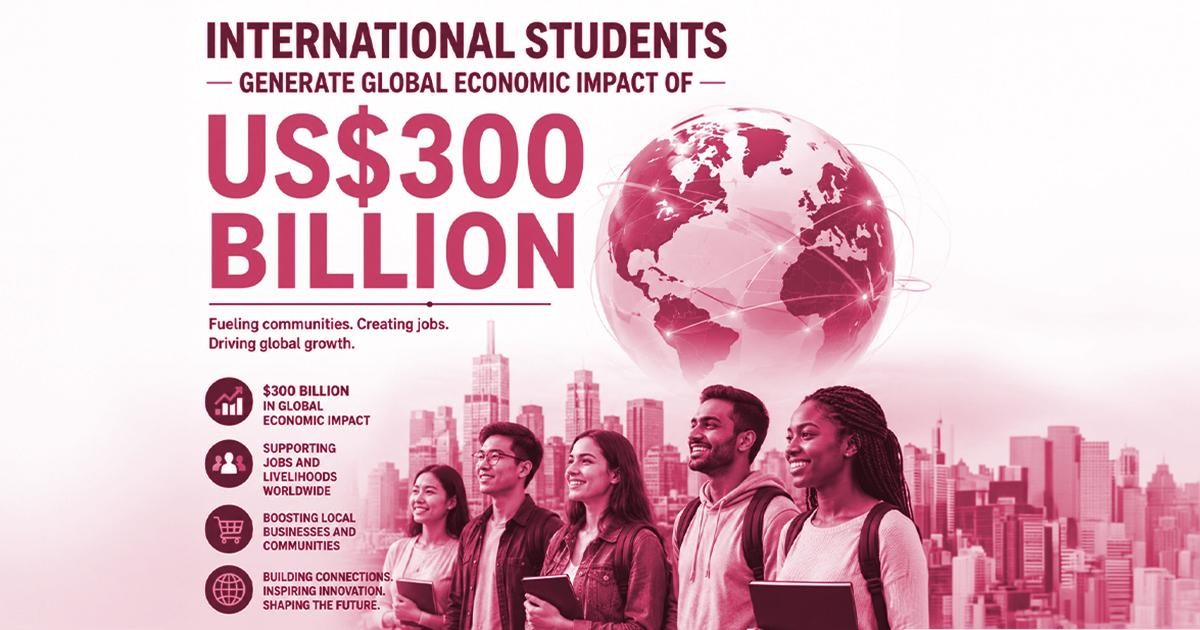
How Global Trends Are Influencing Education Systems
As global conditions continue to evolve, education systems are adjusting to new developments in student mobility, equitable access to learning, and evolving skill requirements. These shifts are reshaping institutional priorities and influencing how learning is designed, delivered, and evaluated across regions. These changes are regularly addressed in discussions at education summits and conferences. In response to these changes, institutions are focusing on several key areas that are shaping modern education, including:
1. Changing Patterns In International Enrollment
Student enrollment patterns are shifting as learners explore diverse study destinations. Factors such as affordability, program quality, and policy changes are influencing where students choose to study. Institutions are responding by expanding global outreach and strengthening international academic partnerships.
2. Growing Focus On Future-Ready Skills
Education systems are shifting their focus toward skills that remain valuable across industries and regions. These include:
- Digital literacy
- Critical thinking
- Communication skills
- Problem-solving abilities
- Cross-cultural understanding
These capabilities are becoming essential as students prepare for careers shaped by global connectivity and technological change. Together, these skills are helping learners navigate increasingly complex academic and professional environments.
3.Strengthening Institutional Resilience
Educational institutions are also focusing on improving adaptability in their systems. This includes enhancing digital infrastructure, expanding online learning models, and developing flexible academic frameworks. These efforts ensure continuity in learning while supporting students across different regions and circumstances.
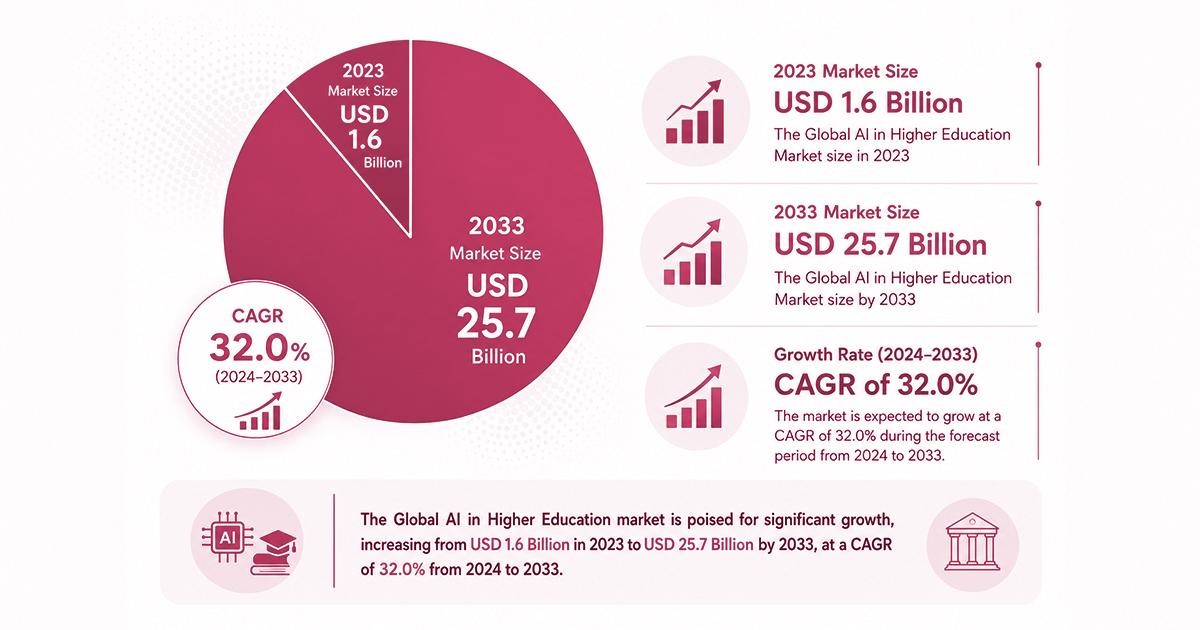
How Institutions Are Responding To Global Shifts
Educational institutions are actively revising their academic and operational strategies in response to evolving global developments. Rather than relying on traditional long-term planning models, many institutions are now adopting more flexible approaches that allow quicker adaptation to changes in student expectations, technology adoption, and international collaboration.
These developments are being actively discussed at education events, including conferences and summits across the globe, with a focus on practical methods to improve institutional responsiveness and learning outcomes. At the same time, many education providers are using data-driven insights to better understand enrollment trends, improve program relevance, and strengthen engagement with diverse learner groups across regions by:
1. Strengthening Cross-Border Collaboration
Institutions are expanding partnerships with global universities and research bodies to support student exchange programs, joint research initiatives, and shared academic frameworks. This helps improve knowledge exchange and broadens learning opportunities for students and faculty.
2. Enhancing Institutional Flexibility
Education providers are redesigning internal systems to become more adaptable to changing academic and operational demands. This includes flexible program structures, modular learning pathways, and improved responsiveness to evolving student expectations.
3. Aligning Learning With Skills
Curriculum frameworks are being updated to reflect skills that are increasingly relevant across industries. Greater emphasis is being placed on digital literacy, analytical thinking, problem-solving, and interdisciplinary learning approaches.
4. Advancing Digital Learning
Institutions are investing in digital infrastructure such as learning management systems, hybrid classrooms, and AI-enabled learning tools. These technologies are improving accessibility and supporting more personalized learning experiences.
5. Responding To Student Demand
Educational institutions are increasingly using data-driven insights to understand shifts in student preferences, program demand, and career interests. This helps institutions refine offerings and align more closely with learner expectations.
Rethinking Education For A Changing World
Education systems are entering a period where global developments play a more visible role in shaping learning structures, institutional priorities, and student experiences. While traditional models continue to evolve, the focus is shifting toward adaptability, collaboration, and broader access to knowledge.
These priorities remain central to the themes of the 2027 Edition of the Education 2.0 Conference. The focus is on how learning systems can better respond to global change while supporting long-term student development. As education continues to evolve, the ability to connect learning with global realities will remain a defining factor in shaping future-ready institutions.
FAQs
1. What is the impact of global developments on education systems?
A. Global developments influence student mobility, curriculum design, and institutional collaboration. They also shape how education systems adapt to changing skill requirements.
2. How are institutions adapting to global education trends?
A. Institutions are expanding digital learning systems, strengthening international partnerships, and updating curriculum frameworks to remain relevant.
3. How do education conferences support institutional planning?
A. They provide insights into global trends, policy changes, and innovative practices that help institutions refine long-term strategies and learning models.
4. What role does digital learning play in modern education?
A. Digital learning enhances accessibility, flexibility, and continuity, allowing institutions to reach wider student populations and support diverse learning needs.
5. Who should attend the Education 2.0 Conference?
A. The three-day education conference is designed for educators, academic leaders, policymakers, EdTech professionals, and institutional decision-makers seeking relevant insights and perspectives.