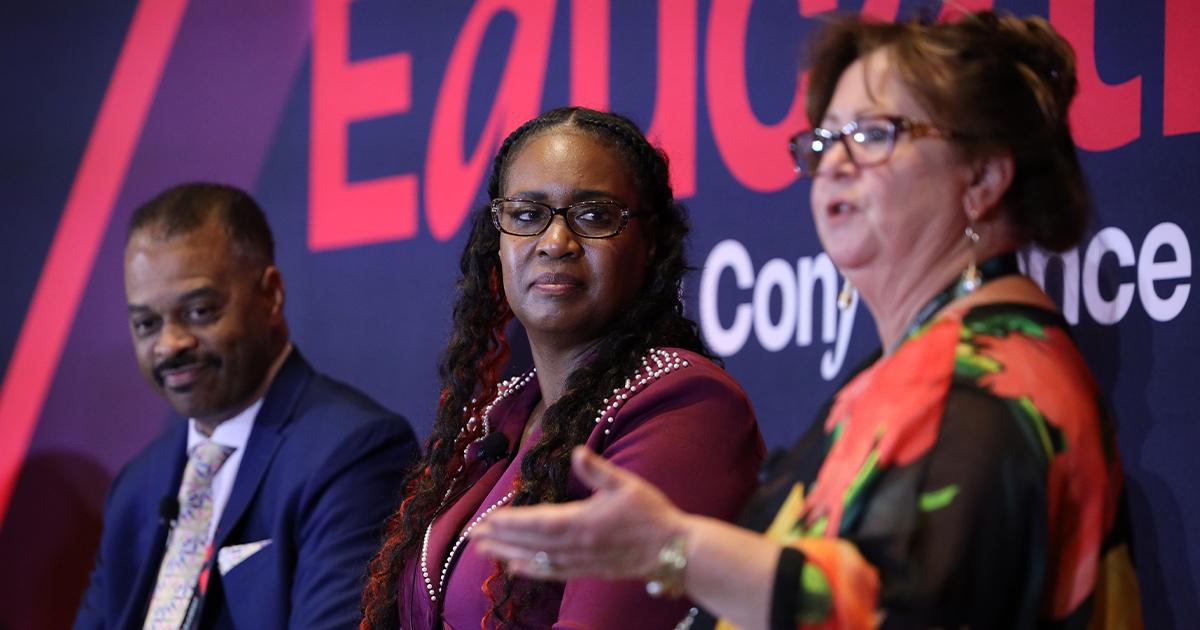
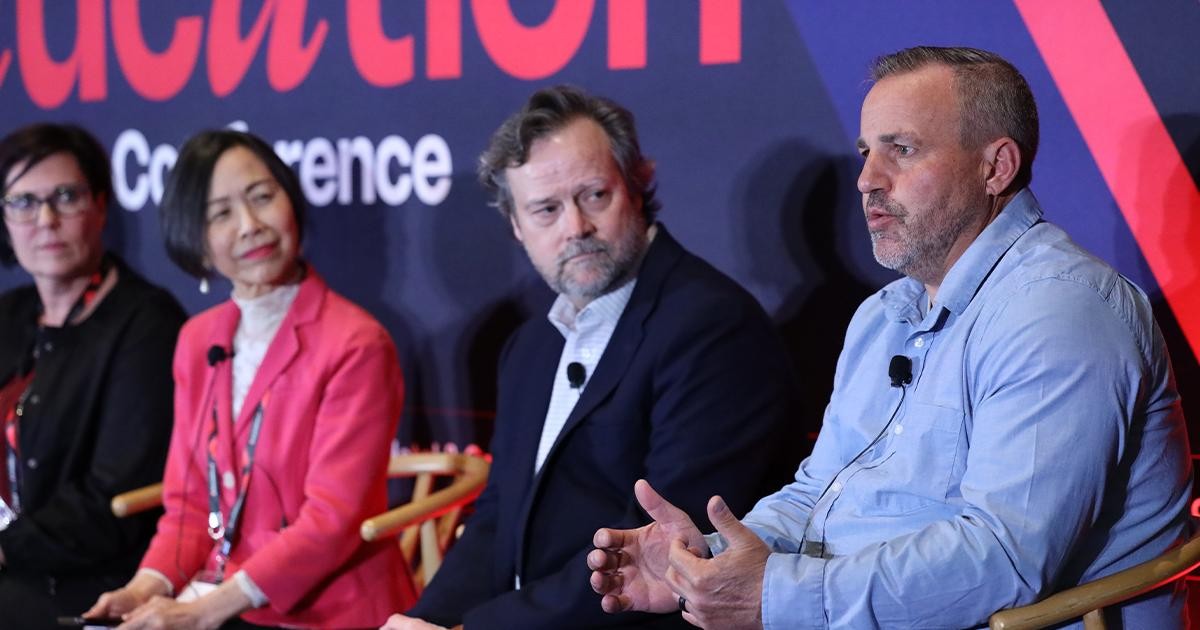
The nature of work is evolving rapidly, raising important questions about whether today's education systems are preparing students for the opportunities and challenges that may emerge by 2030. As technology continues to transform industries and new career paths emerge, this question is becoming increasingly important for educators, policymakers, and academic institutions. While schools have traditionally prepared students for established professions, the pace of change now requires a broader focus on adaptability, problem-solving, and lifelong learning.
As a result, discussions around future workforce readiness have become a recurring theme at education events and EdTech summits of 2026. These discussions are also expected to receive attention at the upcoming Education 2.0 Conference in Singapore, where education leaders will examine how learning environments can adapt to evolving workforce demands. As institutions evaluate how education can remain relevant in an increasingly dynamic world, it is important to examine whether current learning models equip students with the skills needed for long-term success.
TL;DR Quick Takeaways
- Highlights the growing uncertainty surrounding future careers.
- Examines why traditional education models face new workforce challenges.
- Explains the importance of transferable skills alongside academic knowledge.
- Discusses how schools are adapting to technological and economic change.
- Emphasizes the value of adaptability, critical thinking, and digital literacy.
Key Challenges In Traditional Education Models
Many education systems were designed during a period when career pathways were relatively predictable. Today's environment presents a different reality, in which skills and job roles evolve faster than institutional change. OECD research highlights that education systems often take several years to update curricula, whereas industry skill requirements can change on much shorter cycles.
This shift is driven by rapid technological progress, changing industry structures, and the increasing integration of digital tools across sectors. As a result, education systems are under pressure to reassess how effectively they prepare students for long-term workforce needs. The following challenges highlight key areas where traditional models are being tested.
-
Slow Curriculum Updates
New technologies and business models can emerge within a few years, while curriculum revisions often require longer implementation timelines. This creates a gap between what is taught in classrooms and what is expected in workplaces. As a result, students may graduate with knowledge that does not fully reflect current industry practices.
-
Changing Nature Of Work
Automation is reducing the need for certain routine tasks while increasing demand for skills that involve judgment, creativity, and problem-solving. Work processes are also becoming more data-driven and digitally integrated, requiring learners to develop comfort with evolving tools and platforms used across industries.
-
Evolving Job Landscape
Students entering school today may eventually work in occupations that have not yet been defined. This makes it difficult for schools to prepare learners for specific job titles. Instead, there is growing importance in building adaptable skill sets that allow individuals to transition across roles as industries continue to change.
Which Skills Will Matter Most By 2030?
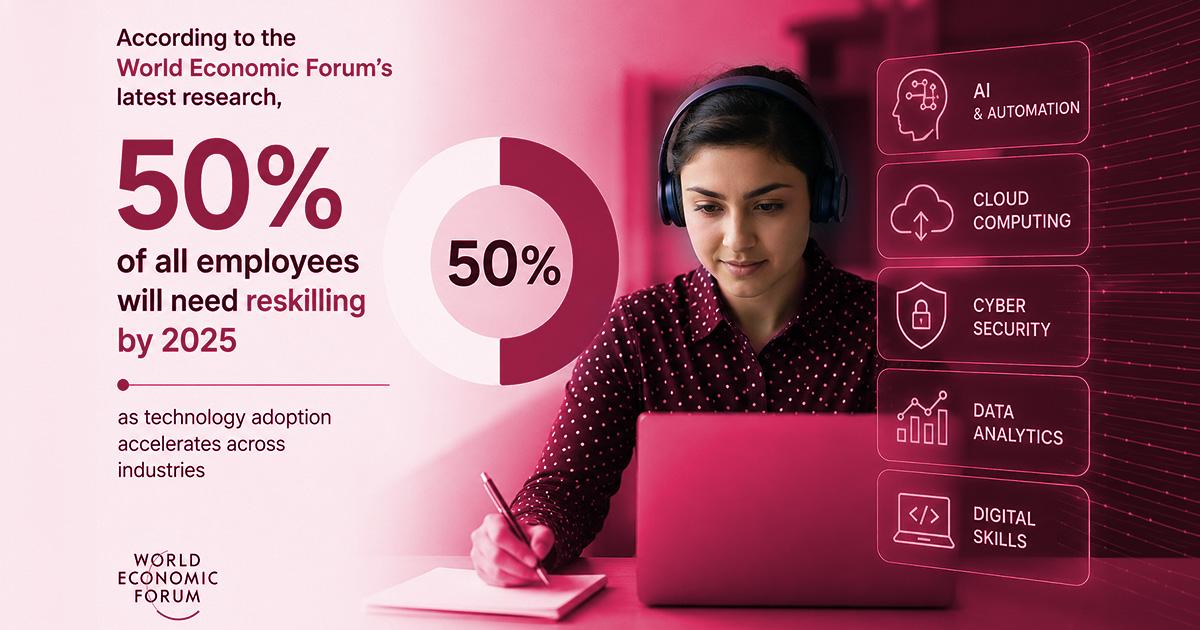
One of the questions that remains persistent across educational institutions is which competencies will define success in future workplaces? Many experts argue that transferable skills will become increasingly valuable because they remain relevant across different industries and professions. The World Economic Forum identifies analytical thinking, resilience, flexibility, leadership, creative thinking, and technological literacy among the most important workforce skills. These competencies are often grouped into key areas that reflect how individuals can adapt, collaborate, and solve problems in changing work environments, which are as follows:
- Critical thinking & problem-solving
- Digital & data literacy
- Communication skills
- Adaptability & resilience
- Collaboration & teamwork
- Creativity & innovation
- Ethical decision-making
- Continuous learning
These skills help individuals respond to changing workplace demands regardless of their chosen profession. Together, they form a practical foundation for navigating uncertainty and maintaining relevance in evolving professional environments.
How Can Institutions Respond To Evolving Workforce Needs
Consider a student beginning secondary school in 2026 with an interest in environmental science. By 2030, advances in climate technology, smart infrastructure, and sustainability-focused industries may create career opportunities that are still emerging today. The student will likely benefit from skills such as analytical thinking, digital literacy, collaboration, and adaptability.
This example highlights why many education systems and global education conferences of 2026 are focusing on broader capabilities rather than preparing students for a single occupation. Moreover, educational institutions are already exploring ways to align learning with evolving workforce expectations, which include:
-
Expanding Technology Education
Many schools are increasing exposure to coding, robotics, computational thinking, and digital literacy to help students understand emerging technologies. This helps learners build early familiarity with tools and systems that are becoming increasingly common across modern workplaces.
-
Encouraging Project-Based Learning
Project-based learning allows students to apply knowledge in practical situations while strengthening collaboration, communication, and problem-solving abilities. It also encourages students to move beyond theoretical understanding and engage with real-world challenges in structured settings.
-
Increasing Career Awareness
Schools are introducing students to a wider range of career pathways through industry engagement, mentorship programs, and experiential learning opportunities. This exposure helps students make more informed decisions about their interests and develop a clearer understanding of evolving professional fields.
-
Integrating Digital Tools Into Learning
Technology is becoming an increasingly important part of classroom instruction, helping students become familiar with digital platforms and modern workplace tools. It also supports more flexible learning methods and helps students build confidence in using technology for research, collaboration, and problem-solving.
How To Align Learning With Future Career Paths
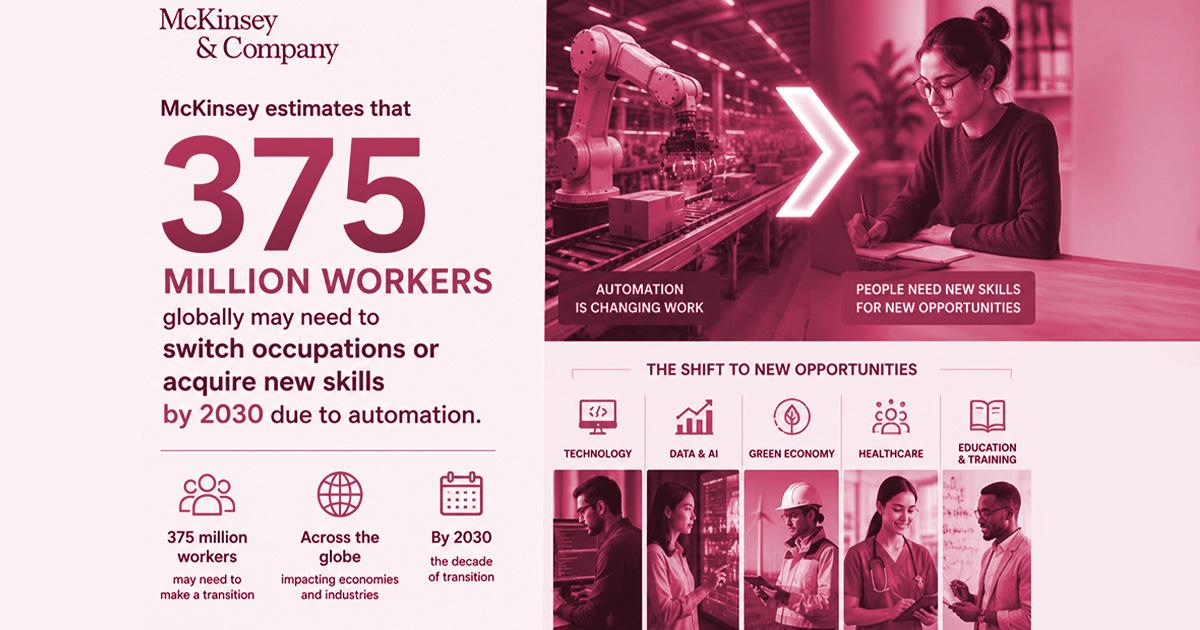
As education systems continue to evolve, there is a growing focus on how institutions can further align learning outcomes with future workforce needs. These ongoing discussions at education events and summits create space to evaluate existing approaches, share practical insights, and identify areas that require further attention to support long-term student readiness. While progress is visible across many regions, several key areas continue to draw attention within the education sector. These include:
- Review curricula more frequently to reflect workforce trends.
- Strengthen connections between education and industry needs.
- Increase emphasis on transferable skills across learning stages.
- Expand professional development opportunities for educators.
- Improve access to digital learning resources and technologies.
Addressing these priorities may help schools remain responsive to future workforce requirements. It also supports the development of learning environments that are better aligned with evolving industry expectations, ensuring students are equipped with relevant and adaptable skills.
Rethinking Education For Future Readiness
The future workforce may look very different from today's job market, but uncertainty does not have to be a disadvantage. Rather than focusing solely on preparing students for specific careers, education systems increasingly recognize the importance of equipping learners with skills that remain relevant across changing industries and technologies. As discussions continue at education events and EdTech summits across Singapore in 2026, the emphasis is shifting toward helping students develop the adaptability and critical thinking needed to navigate whatever opportunities the future may bring.
FAQs
1. Why is it difficult to predict jobs that will exist in 2030?
- Rapid technological advancements, changing economic conditions, and emerging industries make it challenging to accurately forecast future occupations.
2. How are schools preparing students for future careers?
- Many schools are expanding technology education, integrating digital tools, encouraging project-based learning, and increasing exposure to diverse career pathways.
3. What topics are commonly discussed at education events?
- Topics often include workforce readiness, educational leadership, technology integration, student success, curriculum development, and emerging learning trends.
4. Why is lifelong learning becoming more important?
- As industries evolve and skill requirements change, individuals may need to continuously update their knowledge throughout their careers.
5. How can I learn more about participating in the Education 2.0 Conference?
- Interested individuals can visit the conference website to explore registration details, event updates, speaker information, and participation opportunities.