As digital learning expands, classrooms face a new kind of threat hiding behind the screens. Data breaches, AI-powered scams, and fake portals are reshaping how trust works in education. Experts and innovators are now joining forces to expose these digital traps and build a safer, more transparent future for learners everywhere.
Scammers are getting bolder, and classrooms are their latest hunting ground. With more schools relying on cloud-based tools, every login and digital record carries risk. What was meant to simplify learning has opened new avenues for data theft and scamming. Breached systems are now being exploited to steal personal information, fake identities, and manipulate the very platforms designed to support education.
At our Education 2.0 Conference, experts have issued scam alerts after identifying real cases of data misuse on EdTech platforms. During the sessions, experts explained how cybercriminals infiltrate EdTech systems, steal sensitive data, and use it to create fake admissions, cloned scholarships, and identity-based scams.
How are these EdTech data breaches fueling scam offenses, and what steps can schools, students, and technology leaders take to prevent them? Let’s unpack what experts are discovering and how our education conference is shaping new solutions to protect digital learning.
TL;DR — EdTech Data Breaches & Scam Offenses
- Discover how data breaches in EdTech platforms are driving scam offenses.
- Understand how hackers exploit leaked student and institutional data.
- Learn scam alerts and insights shared at the Education 2.0 Conference.
- Identify fake scholarships, admission scams, and cloned portals early.
- Strengthen online safety through better digital awareness.
- Act fast to protect education systems from rising cyber threats.
Data Dilemma In Modern Classrooms
Modern classrooms have outgrown their physical walls and now exist in the cloud, powered by digital platforms that store enormous amounts of data every day. Every login, test submission, and virtual lesson contributes to this expanding digital footprint. While these tools have made learning more accessible, they have also exposed new security risks. Personal information, academic records, and institutional files are now vulnerable to cyberattacks that can compromise entire systems. Even a single weak password or missed software update can give hackers an open door. Safeguarding this data is no longer just a technical responsibility but a shared commitment across the education community.
Hidden Cost Of EdTech Expansion

Digital learning has redefined education, making classrooms more connected, efficient, and accessible than ever before. Yet, this progress carries hidden risks that many schools overlook. Each new platform, cloud tool, or online login introduces potential vulnerabilities that cybercriminals can exploit. What began as a push for innovation has become a test of digital responsibility. During our education summit, experts discussed how the rapid rise of EdTech often outpaces the safety systems designed to protect it. Weak vendor policies, outdated software, and poor data practices have turned convenience into risk. As education continues to evolve, maintaining cybersecurity is not just about protecting data; it is about safeguarding the trust that keeps digital learning alive.
Inside The Anatomy Of An EdTech Breach
Every data breach starts small but can quickly spiral out of control. A single weak password, an outdated plugin, or unsecured cloud storage can give hackers the access they need. Once inside, attackers quietly collect sensitive information such as student records, financial details, and login credentials. Most breaches go unnoticed for days or even weeks, giving cybercriminals plenty of time to misuse or sell the data. What begins as a minor oversight often turns into a widespread disruption that damages trust and exposes entire learning systems. Understanding how these breaches happen is the first step toward preventing them and creating safer digital environments for both educators and students.
How Scammers Are Exploiting The Digital Classroom
Online learning has unlocked endless possibilities, but it has also created new openings for scams. Every digital tool meant to make education easier can become a hidden trap when safety takes a backseat. Some of them are:
1. Fake Learning Portals
Scammers design websites that look identical to legitimate learning platforms. Students unknowingly log in, handing over personal information and even payment details.
2. Malicious EdTech Apps
Some learning apps secretly collect user data under the guise of free access. These apps often sell or misuse information, putting privacy and security at risk.
3. Deepfake Tutoring Sessions
AI-generated tutors mimic real educators during virtual classes or interviews. They use realistic-sounding voices and videos to build trust, then request sensitive information or payments.
4. Compromised Video Platforms
Hackers target popular video conferencing tools used for classes and exams. Once inside, they can disrupt sessions, steal meeting data, or record private interactions.
5. Assignment Help Frauds
Fake academic assistance sites promise original work or guaranteed grades. Students who share their credentials or payment information often end up being scammed or having their data stolen.
At our Education 2.0 Conference, experts emphasized the importance of building fraud-monitoring systems into EdTech platforms to detect suspicious behavior early. Digital learning should expand minds, not expose vulnerabilities. Awareness, secure practices, and collaboration between educators and developers are essential to maintaining a safe virtual classroom where students can learn and grow.
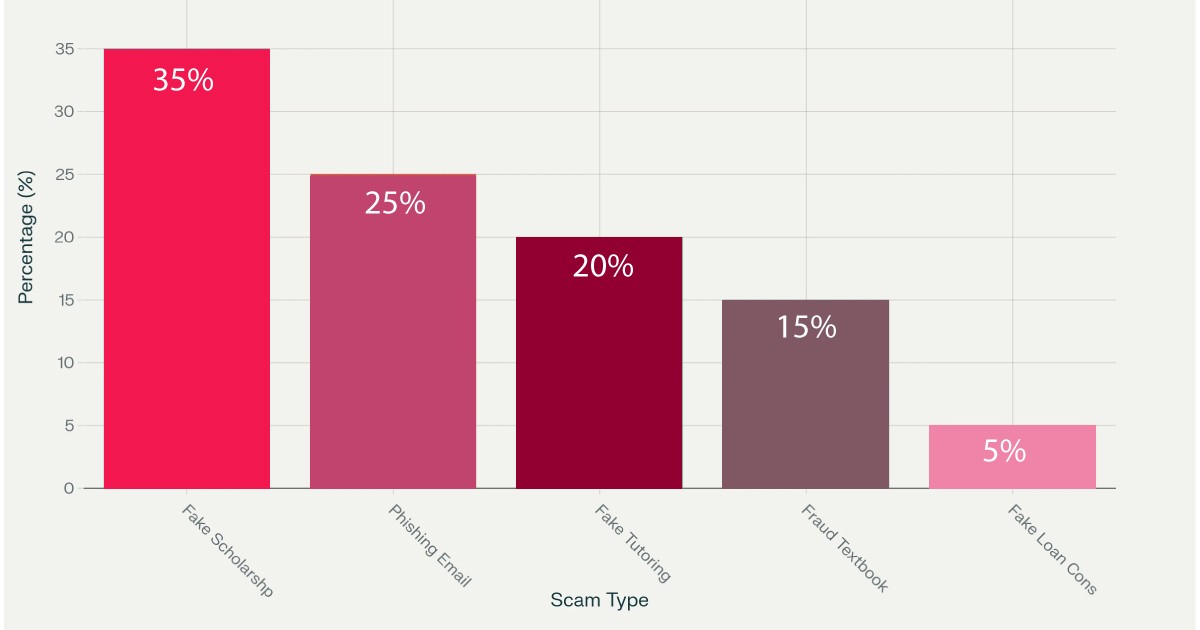
Identifying The Warning Signs Of Digital Deception
Scammers blend easily into digital classrooms, using convincing messages and official tones to fool even cautious learners. At our education summit, experts warned that scam offenses are evolving through fake portals and deceptive outreach.
Here are some common warning signs to watch for:
- Unexpected messages asking to verify accounts or share login details.
- Emails with unusual phrasing, spelling errors, or odd sender addresses.
- Pop-ups or links promising instant scholarships or quick rewards.
- Requests for payments or personal details through chat or email.
- Urgent messages designed to create pressure or fear.
Spotting these signals early helps prevent minor mistakes from turning into significant problems. Staying alert, questioning suspicious activity, and taking time to verify sources can keep digital learning safe for everyone.
Experts’ Guidance For Safeguarding Digital Learning Spaces!
The shift to digital learning has created endless opportunities, but it also demands stronger awareness and accountability. Experts suggest that real progress begins when innovation and safety move forward together. At our EdTech conference, leaders encouraged educators to make cybersecurity part of daily learning rather than an afterthought. The Education 2.0 Conference further emphasized collaboration and ethical practices to reduce scam offenses and strengthen trust in digital classrooms. From stronger passwords to smarter habits, every small step helps create a more secure learning environment. The path ahead is clear: a safer digital future will depend on collective effort, awareness, and integrity.
FAQs
Q. What are the most common causes of EdTech data breaches?
A. Most breaches occur due to weak passwords, outdated software, or poor security monitoring. Schools that rely heavily on digital tools without regular system updates are at higher risk.
Q. How do EdTech breaches lead to scam offenses?
A. Once hackers access personal or academic data, they use it to create fake scholarship offers, admission scams, and identity theft schemes targeting students and teachers.
Q. What role can educators play in preventing cyberattacks?
A. Educators can promote digital hygiene by teaching students to recognize phishing, use strong passwords, and avoid sharing sensitive data online.
Q. What are some key highlights from the Dubai edition of the Education 2.0 Conference agenda?
A. The Dubai edition of the Education 2.0 Conference features expert-led panels, interactive workshops, and discussions on emerging trends such as EdTech innovation, data security, and ethical learning. To explore the complete lineup, visit www.education2conf.com/dubai-2026.
Q. Why should educators attend the Education 2.0 Conference?
A. Educators should attend the Education 2.0 Conference to gain actionable insights, explore real-world innovations, and connect with global leaders driving change in the education sector. The event offers opportunities to discuss pressing issues like EdTech fraud, digital safety, and ethical learning practices. Secure your spot and join the conversation by visiting www.education2conf.com/buy-pass.