Have you ever wondered what truly makes a teacher effective in the 21st-century classroom? As education continues to evolve at a rapid pace, teachers face new challenges and opportunities every day. From adapting to the latest technology to meeting the diverse needs of students, the landscape is shifting like never before. However, amidst all these changes, one truth remains steadfast: when teachers feel empowered, inspired, and supported, they can unlock incredible potential in their students.
Insights gathered from our education conference in Las Vegas reinforce the importance of equipping teachers with strategies that work in the real world. Experts at the Education 2.0 Conference also emphasized the critical role of empowering educators to innovate, collaborate, and adapt to ever-evolving learning landscapes. d. Let’s dive into seven proven approaches that can supercharge teacher effectiveness, from building a growth mindset to leveraging technology in meaningful ways.
1. Embrace Continuous Professional Learning
Imagine a school where every teacher feels empowered, inspired, and equipped to lead the charge into the future of learning. That’s the power of continuous professional learning. Rather than treating professional development as a box to tick, schools can embed it into their culture, transforming it into an energizing force for growth and innovation. Personalized learning plans tailored to each teacher’s needs align growth opportunities with school objectives and individual aspirations.
Peer-to-peer learning communities create dynamic spaces for sharing, experimenting, and sparking new ideas. Our education summit can further enrich teachers’ perspectives, connecting them with global best practices and insights from leading educators. When professional growth becomes an ongoing journey, teachers are prepared to adapt, innovate, and thrive.
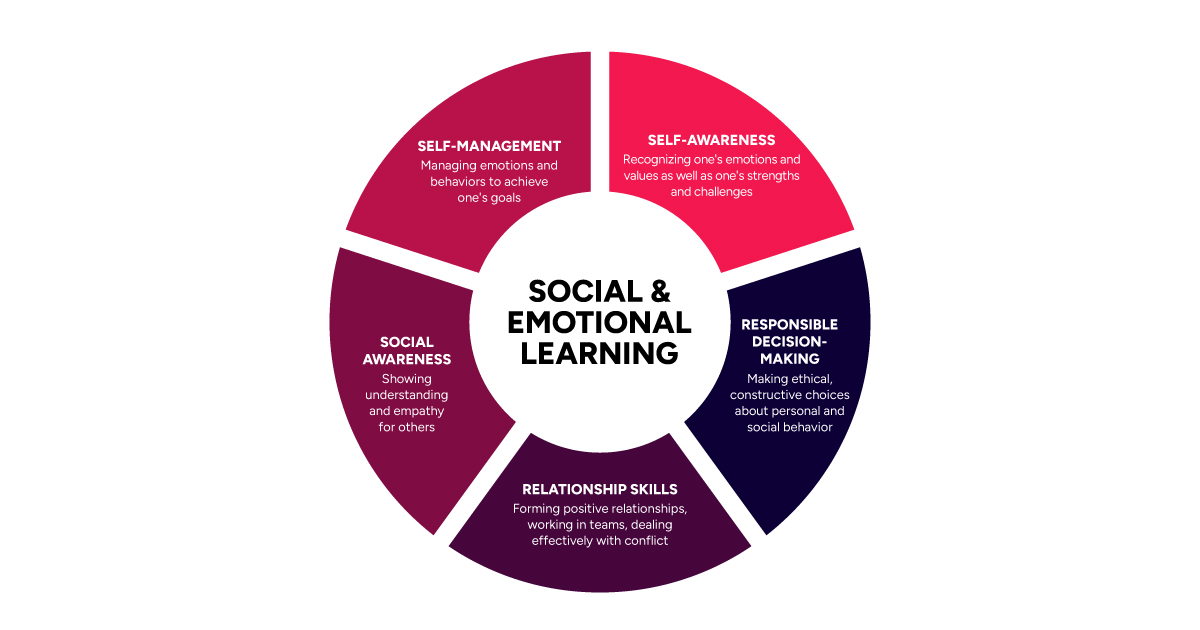
2. Prioritize Social-Emotional Learning (SEL) For Educators
Teachers need strong social-emotional skills to manage stress, connect with students, and maintain their well-being. Schools can support teachers by offering mindfulness training, reflective practice groups, and a supportive culture that encourages sharing and growth. Prioritizing Social-Emotional Learning (SEL) ensures that teachers are emotionally prepared to inspire and lead.
Schools can:
• Offer mindfulness training and stress management workshops.
• Create reflective practice groups where teachers can share challenges and successes.
• Build a supportive culture that values vulnerability and growth.
When teachers feel emotionally equipped, they bring greater empathy and focus to their classrooms—an essential ingredient for student success.
3. Leverage EdTech Innovations For Personalized Instruction
The future of learning is digital. Integrating technology into classrooms is transforming teacher effectiveness. Adaptive learning platforms help teachers personalize lessons for every student, ensuring equitable learning opportunities. Data dashboards provide real-time insights, allowing educators to identify trends and tailor instruction accordingly. According to thought-provoking leaders at our education summit, virtual tools like interactive whiteboards and online quizzes boost student engagement and collaboration.
Yet, technology should empower rather than overshadow the teacher’s role. Teachers remain vital guides and mentors who spark curiosity, build confidence, and nurture lifelong learners, making technology an invaluable tool in an ever-evolving educational landscape.
4. Build Collaborative Teaching Environments

Isolation in teaching is an outdated model. Collaborative environments empower teachers to share best practices, co-create solutions, and build trust across departments. Schools can cultivate this environment by:
- Encouraging co-teaching models where educators plan and deliver lessons together.
- Establishing Professional Learning Communities (PLCs) focused on common goals.
- Promoting interdisciplinary projects that weave together subjects and skill sets.
Building a sense of community among teachers does more than improve individual effectiveness—it transforms schools into vibrant, innovative hubs of learning. By sharing ideas, resources, and support, educators can inspire one another to try new approaches and embrace change. According to insights shared at the Education 2.0 conference, strong teacher communities drive collaboration, spark creativity, and cultivate a culture of continuous growth, benefiting both teachers and students.
5. Implement Data-Driven Instructional Practices
Data literacy unlocks the power of modern teaching. Teachers who can interpret data spot learning gaps, refine instruction, and celebrate growth. Instead of fearing spreadsheets and dashboards, educators can embrace them as allies in helping every student thrive. When data informs decisions, learning becomes more meaningful and impactful.
Teachers who understand how to interpret assessment data, classroom analytics, and student feedback can:
- Pinpoint learning gaps and adjust their instruction.
- Set achievable goals tailored to student needs.
- Monitor progress and celebrate milestones as they are achieved.
This approach aligns perfectly with EdTech-enhanced classrooms, where data-driven insights can elevate learning outcomes and teacher confidence.
6. Support Teacher Leadership Opportunities
When teachers step into leadership roles, they become catalysts for positive change in schools. They mentor their peers, inspire collaboration, and drive innovation. Schools that prioritize teacher leadership cultivate a culture of ownership and continuous improvement. In discussions at our education summit, experts emphasized how empowering teachers to shape curriculum decisions, champion action research, and influence policy brings fresh ideas and evidence-based practices into classrooms. This sense of agency transforms not just the teachers themselves but the entire learning environment. By valuing teacher leadership, schools create a dynamic, growth-oriented culture that sparks creativity, nurtures excellence, and benefits every student.
7. Prioritize Well-Being And Work-Life Balance
Imagine stepping into a classroom every day filled with energy, creativity, and a passion for teaching. Yet, for many educators, stress and burnout too often overshadow that joy. Teachers need more than recognition; they need genuine support that prioritizes their well-being and work-life balance. Schools that champion flexible scheduling, self-care workshops, and a culture of appreciation can transform how teachers feel about their work.
Investing in teachers’ well-being is key to promoting creativity, resilience, and innovation. When teachers are balanced and fulfilled, they bring their best to the classroom, inspiring students and contributing to a positive, dynamic learning environment that fuels success across the board.
Wrapping Up!
Building teacher effectiveness is not just about implementing strategies. It is about creating a culture of growth, collaboration, and well-being where teachers can truly thrive. From continuous professional learning and social-emotional support to using technology and developing leadership, every strategy discussed here connects to form a holistic approach that redefines what it means to be an effective teacher in the modern world.
Insights from our education conference in Las Vegas remind us that schools embracing these strategies are preparing teachers to excel in today’s classrooms. Lessons from the Education 2.0 Conference also highlight how these approaches equip educators with the skills they need to thrive in the future of education. Let us commit to a vision where teachers feel empowered, inspired, and supported. When teachers thrive, students succeed. This is our shared mission to shape the next chapter of education together.
FAQs
Q. How can schools effectively implement these strategies in under-resourced environments?
A. Schools in under-resourced environments can start by prioritizing low-cost initiatives such as peer mentoring and community partnerships. Leveraging open-source EdTech tools and seeking grants can also aid implementation. It's essential to adapt strategies to fit the unique needs and constraints of each school.
Q. What role do parents play in supporting teacher effectiveness?
A. Parents can support teacher effectiveness by maintaining open communication with educators and reinforcing learning at home. Participating in school events and providing feedback can also strengthen the teacher-parent partnership. This collaboration fosters a supportive environment for students.
Q. What role does collaboration among teachers play in enhancing effectiveness?
A. Collaboration allows teachers to share best practices, provide mutual support, and develop cohesive strategies. Regular team meetings and collaborative planning sessions foster a sense of community. This collective approach leads to improved teaching outcomes.
Q. What is the agenda for the upcoming Education 2.0 Conference?
A. The agenda (Las Vegas and Dubai) includes keynote speeches, panel discussions, and interactive sessions focusing on the latest trends in education. Topics range from digital transformation to policy development. Attendees can expect a comprehensive exploration of contemporary educational challenges and solutions.
Q. Who typically attends the Education 2.0 Conference?
A. The Education 2.0 Conference attracts a diverse group of attendees, including educators, EdTech innovators, policymakers, and researchers. This mix drives rich discussions and networking opportunities. Participants come from various educational backgrounds and institutions.