

Education 2.0 Conference Showcases How Small Charter Schools Empower Underserved Communities
Posted on : January 13, 2026
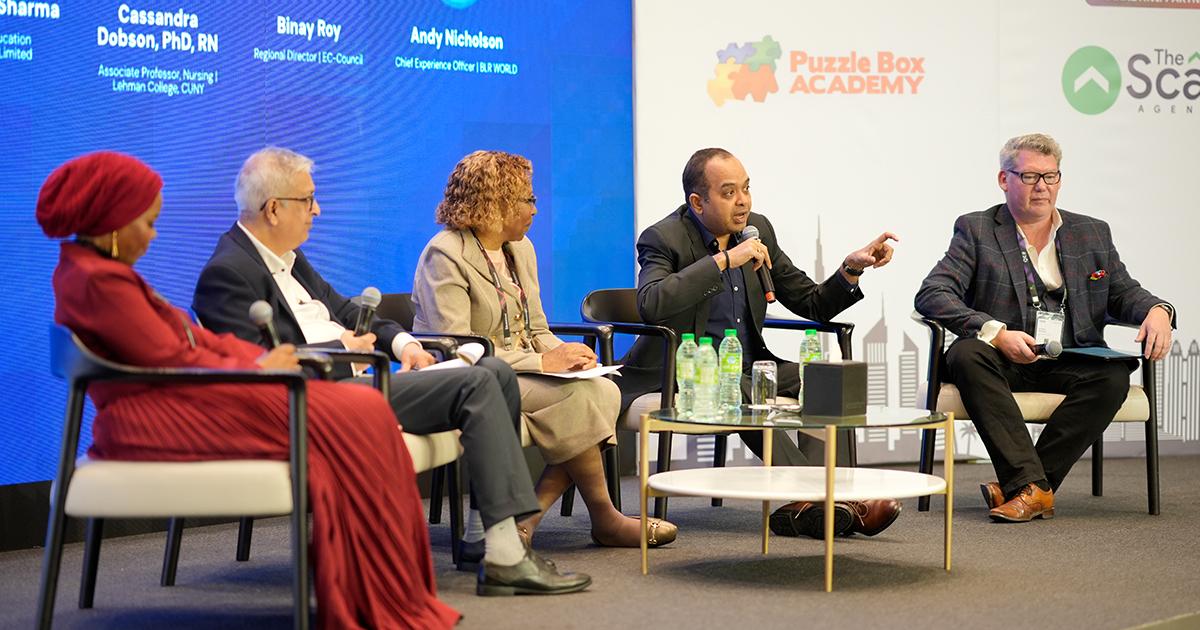
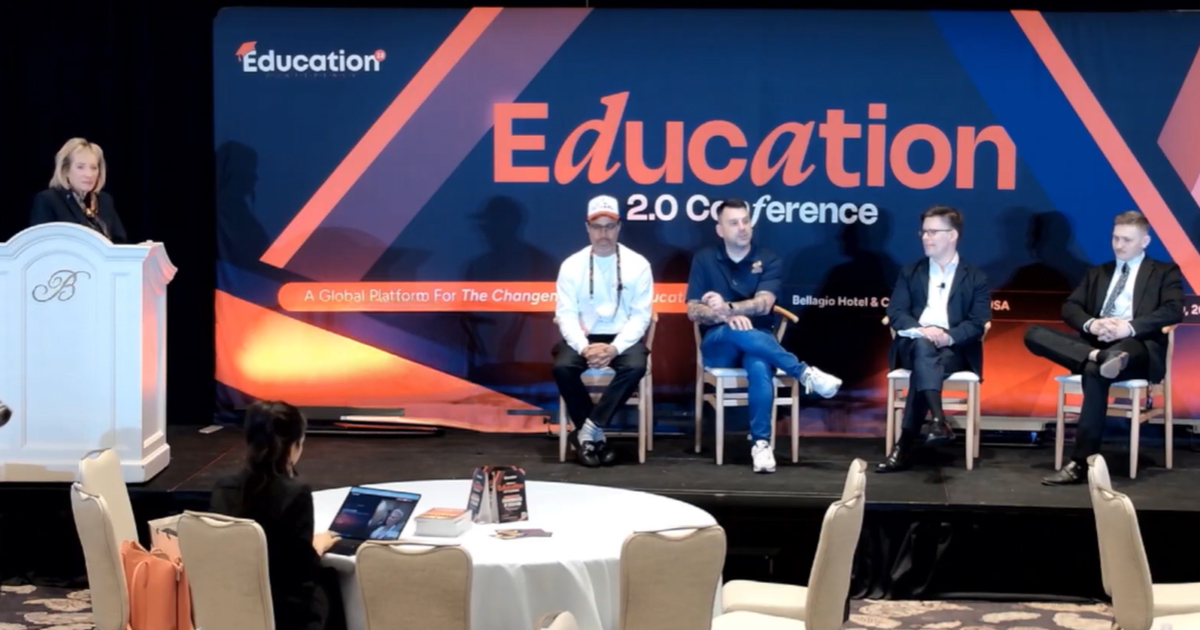
Conversations around education often highlight innovation, technology, and policy reform. Yet, one of the most pressing challenges remains how to support at-risk students from underserved communities. This issue was a central focus at our Education 2.0 Conference, held at Caesars Forum, Las Vegas, USA, from July 10–12, where educators gathered to spotlight practical solutions and success stories.
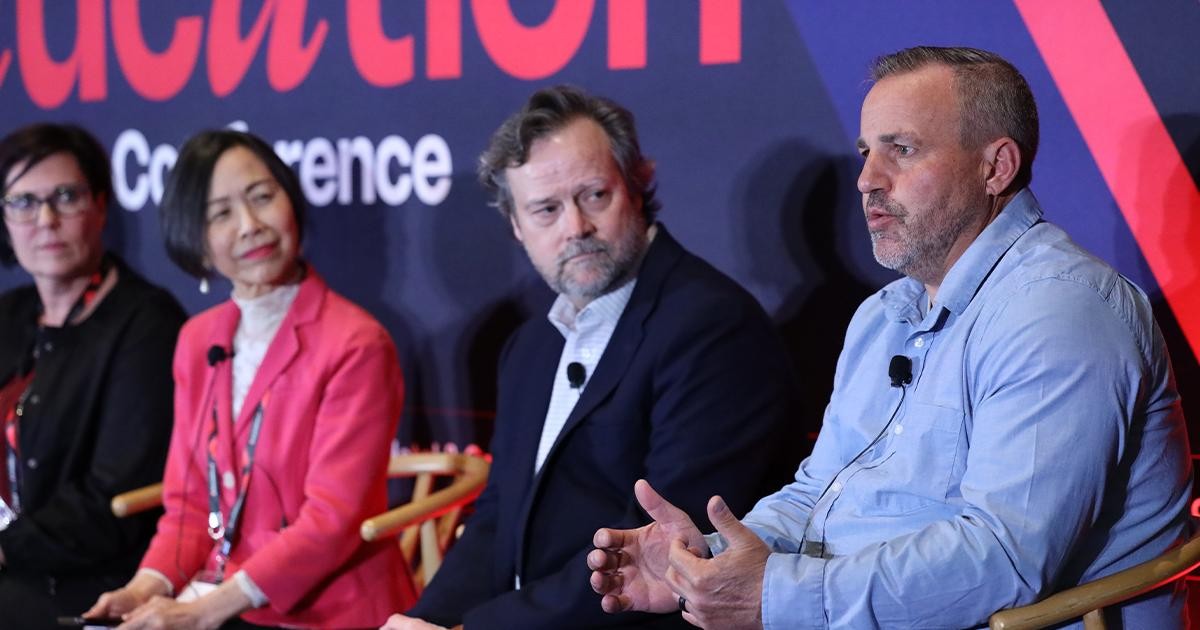
The session titled “Empowering At-Risk Students From Underserved Communities — A Small Charter School Network's Success Story” brought together two education leaders who have spent years working to create inclusive and effective learning models. Dr. Tadios Belay, President & CEO of US Africa Institute, and Dr. Timothy Andrew Smith, President & CEO of Learning Matters Educational Group, joined forces to explore how small charter schools are making a difference. Their discussion at our education conference revolved around lessons learned from Tailing High Desert Academy and TriPoint Academy. These two schools have become models of resilience and creativity in supporting students who often find themselves left behind.
Understanding The Barriers Students Face
The conversation at our education conference opened with a candid acknowledgement of the systemic hurdles that underserved students encounter. Poverty, limited access to educational resources, unstable family structures, and lack of role models were highlighted as recurring challenges. Dr. Timothy explained that many of these students feel disconnected from traditional schooling, which can lead to disengagement or dropping out. Issues such as substance abuse, mental health struggles, and limited job prospects further complicate their educational journey.
Why Traditional Schools Fall Short
While public schools serve millions of learners, they are not always equipped to meet the specific needs of at-risk students. Large class sizes, overcrowded campuses, and limited resources often mean that students who require more attention slip through the cracks. Cultural and linguistic barriers were also emphasized as areas where many schools fail to adapt. Dr. Tadios at our education summit added that the lack of personalized support and specialized programs in traditional schools leaves historically marginalized students, including African American, Latino, and immigrant communities, particularly vulnerable.
Building New Pathways For Success
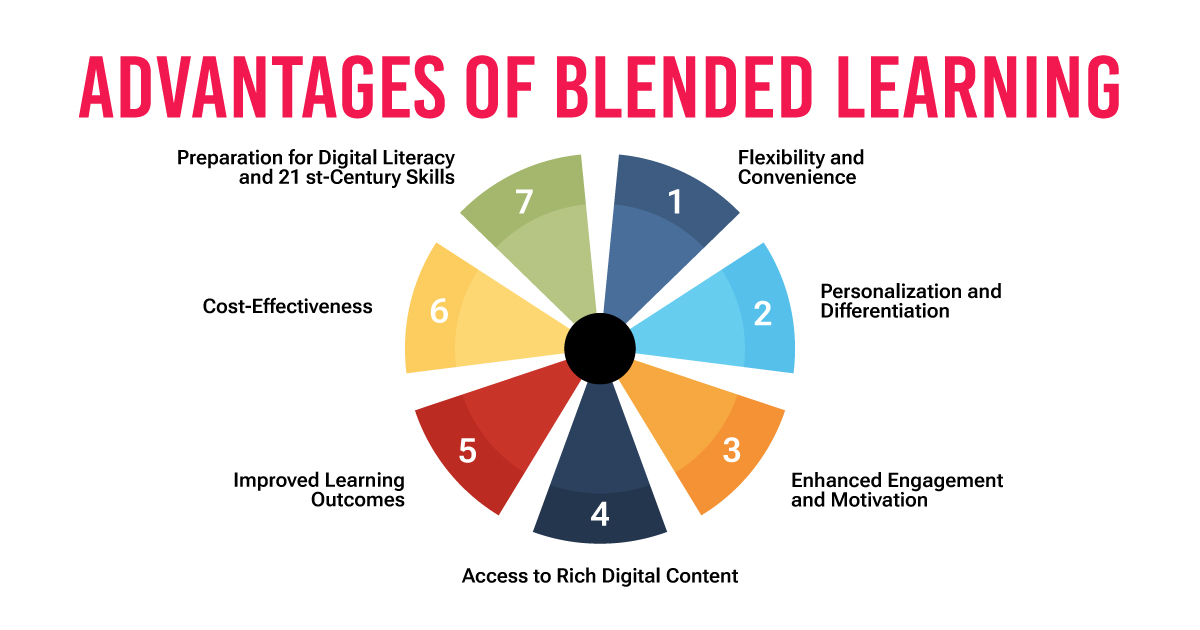
In response to these gaps, small charter schools such as TriPoint Academy have created models that prioritize flexibility and individual attention. Dr. Timothy described their mission clearly: to help at-risk students build confidence and envision a hopeful pathway for the future, whether through higher education, vocational training, or direct entry into the workforce. By offering blended learning environments, capped enrollment sizes, and Student Success coaches who act as mentors, these schools foster relationships that extend beyond academics and into emotional and social growth.
Setting Realistic Goals And Hopeful Pathways
One of the central strategies discussed at our education conference was goal setting. Instead of adhering to a one-size-fits-all model, students are encouraged to establish personalized objectives. These goals can range from pursuing careers in trade and technical fields to preparing for college. Dr. Timothy emphasized that students need to see their goals as both attainable and meaningful, noting that unrealistic or rigid expectations often lead to disengagement. With guidance from mentors, learners begin to connect classroom work with real-world aspirations.
Keeping Students Engaged Inside & Outside The Classroom
Engagement was another recurring theme. Both speakers pointed out that at-risk students often find traditional lecture-based models uninspiring. Instead, schools like TriPoint integrate community partnerships, internships, and service opportunities to keep students connected and motivated. From working with local organizations such as the YMCA and Boys and Girls Clubs to participating in apprenticeships, these opportunities give students a sense of purpose and belonging. According to Dr. Tadios, many learners begin to see themselves not just as students but as valuable members of a wider community.
The Power Of Smaller Learning Environments
The importance of smaller, more personal school settings was also reinforced during the session. Dr. Timothy’s doctoral research at the University of Southern California revealed that nearly all surveyed students attributed their improved outcomes to smaller learning environments. Limiting enrollment to a few hundred ensures that each student receives consistent attention and develops trusting relationships with both teachers and mentors. Students who previously struggled in large, impersonal schools found a renewed sense of belonging in these settings.
A Model Grounded In Flexibility & Support
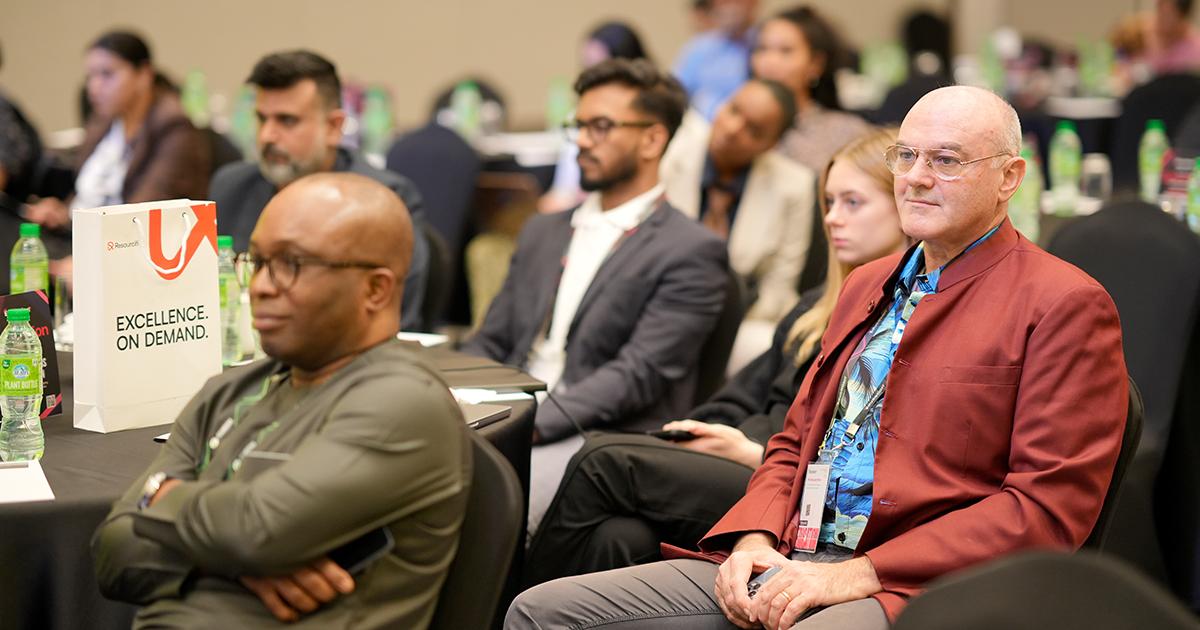
Seven key components underpin the ThrivePoint educational model: flexibility, small class sizes, one-on-one coaching, family engagement, community partnerships, personalized learning, and mastery-based assessment. This approach allows students to progress at their own pace, whether catching up on missed credits or accelerating toward graduation. For many learners, the opportunity to take ownership of their education has been transformational, instilling confidence where once there was doubt.
Inspiring Change For The Next Generation
At our education conference, the discussion also touched on the expansion of these initiatives. With existing schools in California and Arizona, plans are underway to establish new campuses in Nevada, particularly in underserved areas. The goal is to replicate the model’s success while adapting to each community’s needs and challenges. By working with local organizations and tailoring programs to at-risk populations, the schools hope to continue scaling their impact.
Looking Ahead: Building Inclusive Futures In Education
Across global education events, conversations continue to highlight the importance of equity and inclusion. The Education 2.0 Conference provided a space for Dr. Tadios and Dr. Timothy to show how small charter schools are stepping in where traditional systems often fall short.
Their session at our education conference reminded the audience that with the right mix of support, mentorship, and community connection, students from underserved communities can do more than just catch up. They can succeed, discover new opportunities, and contribute meaningfully to society. Reimagining education in this way is not simply an option. It is becoming an essential step toward stronger communities and a brighter future.
FAQs
Q. How do charter schools support students beyond academics?
A. Many charter schools integrate mentorship, emotional counseling, and life skills programs. These initiatives help students build confidence, resilience, and a sense of belonging in their communities.
Q. How do parents get involved in charter school education?
A. Parental engagement is a core part of many charter school models. Families are encouraged to participate through meetings, volunteer programs, and open communication with teachers and mentors.
Q. What challenges do small charter schools face?
A. Funding and resource limitations are among the biggest challenges. However, strong community partnerships and innovative teaching models often help these schools overcome such barriers.
Q. Who typically attends the Education 2.0 Conference?
A. The conference attracts a global mix of educators, EdTech entrepreneurs, policymakers, and thought leaders passionate about advancing education through innovation and collaboration.
Q. How do the networking breaks benefit attendees at the Education 2.0 Conference?
A. Networking breaks are intentionally designed to spark cross-sector collaboration, allowing participants to exchange experiences in a relaxed and engaging setting.
Recent Blogs
-
Education 2.0 Conference Explores The Innovation Blueprint For The Next Decade Of Learning
Posted on : September 08, 2026 -
-
Education 2.0 Conference Explores The Changing Role Of School And University Leaders In Modern Education
Posted on : August 14, 2026 -
Education 2.0 Conference Examines The Growing Influence Of Technology On Education
Posted on : August 06, 2026 -
-
-
Education 2.0 Conference Explores The Economic Playbook Of Modern Education In 2026
Posted on : July 13, 2026 -
How Education Events In Singapore Are Addressing The Skills Students Need For 2030
Posted on : June 16, 2026 -
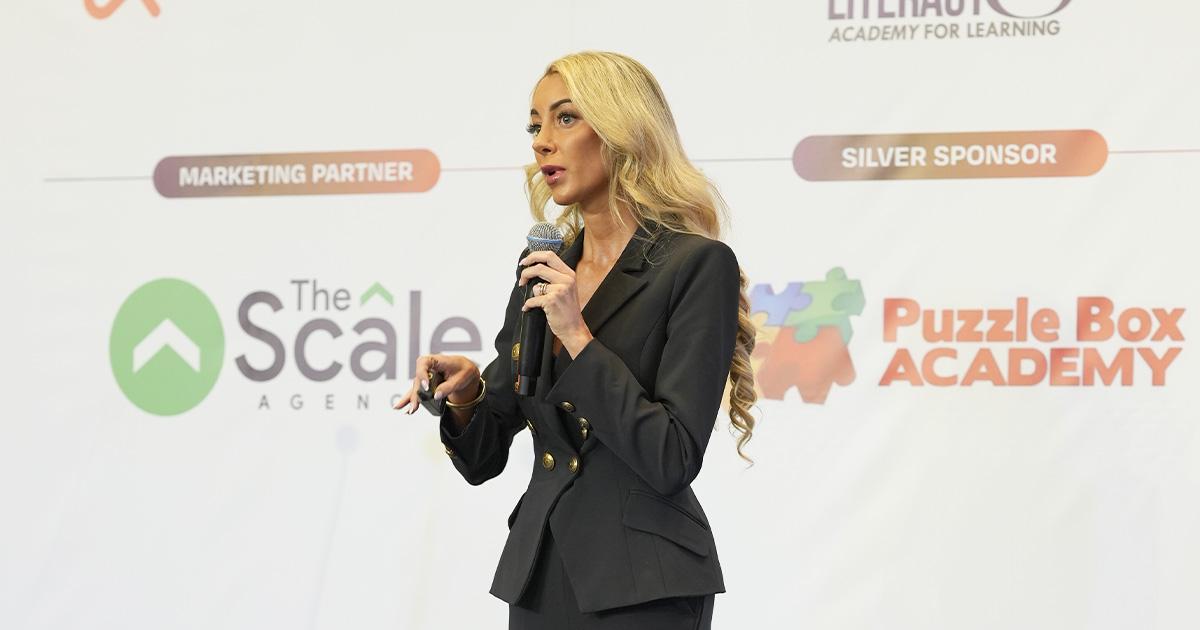
The Scale Agency Becomes Official Marketing Partner For The Education 2.0 Conference
Posted on : April 13, 2026 -

Education 2.0 Conference Highlights Scam Offenses Linked To Deepfake Educators
Posted on : February 23, 2026