

Gamification & Motivation In Learning
Discover how gamification and motivation can turn lessons into engaging, goal-driven experiences at our education innovation conference.
Defining Gamification & Motivation In Education
Gamification extends far beyond adding points or badges to a lesson—it involves using game mechanics like challenges, leaderboards, levels, and storytelling to make learning active, rewarding, and goal-driven. Motivation, whether intrinsic (fueled by personal growth and curiosity) or extrinsic (driven by rewards, recognition, and achievement), ensures learners remain engaged and persistent in reaching objectives.
These two concepts work together to transform passive instruction into participatory experiences that build resilience, creativity, and collaboration skills. At our education innovation conference, they are explored as strategies that support diverse learner needs and make progress feel tangible. By embedding clear objectives, feedback systems, and opportunities for achievement, educators can create environments that not only deliver knowledge but also inspire continuous improvement and long-term engagement.
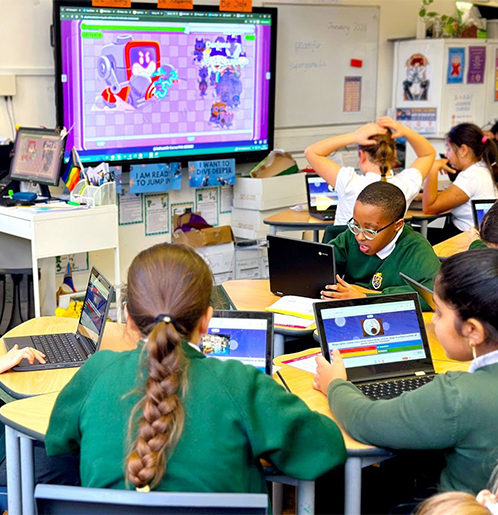
Why Gamification & Motivation Are Essential Today
In an era where attention spans are short and competition for learner engagement is high, gamification and motivation have become essential for creating impactful learning experiences. The growing emphasis on these strategies stems from:
- Post-Digital Learning Needs – Hybrid and online formats require innovative methods to maintain focus and engagement, especially as distractions increase in digital spaces. Gamification provides structure and incentives that help learners stay on track.
- EdTech-Driven Immersion – Interactive tools, simulations, and adaptive platforms bring game elements to life, allowing for real-time feedback, collaborative challenges, and immersive scenarios that mirror real-world problem-solving.
- Personalized Learning Opportunities – Learners can progress at their own pace, earning recognition along the way. This flexibility not only accommodates different skill levels but also nurtures self-directed learning habits.
- Cross-Cultural Relevance – Game-based strategies resonate with learners of all backgrounds and ages, making them powerful tools for global classrooms, multicultural teams, and diverse training environments.
At our global education conference, these benefits are explored through practical models, live demonstrations, and case studies that show how gamification and motivation can be adapted to any learning environment.
Common Questions About Gamification & Motivation
Q1. I’m new to gamification—will sessions at the education innovation conference be too advanced?
Not at all. The education innovation conference offers beginner-friendly introductions and advanced strategies, with clear examples you can apply right away.
Q2. How do gamification and motivation improve engagement in learning?
As highlighted by experts, these methods make learning interactive and goal-driven, encouraging active participation and sustained focus.
Q3. Do these strategies require expensive technology?
No. Many showcased at the edtech conference are free or low-cost tools that run on standard devices and basic internet connections.
Q4. Is gamification relevant beyond schools?
Yes. At the education summit, we explore its use in higher education, corporate training, and community learning programs.
Q5. How does gamification support motivation and learning?
Gamification can make learning more engaging and interactive, helping learners stay focused and inspired. At the education conference, discussions explore how game-based approaches influence motivation, participation, and sustained interest in learning.
Share Your Story With The World
If you are implementing gamification or motivation strategies, present your work at our edtech conference. Share your success stories, connect with peers, and collaborate on shaping the future of engaging education.
Get In Touch