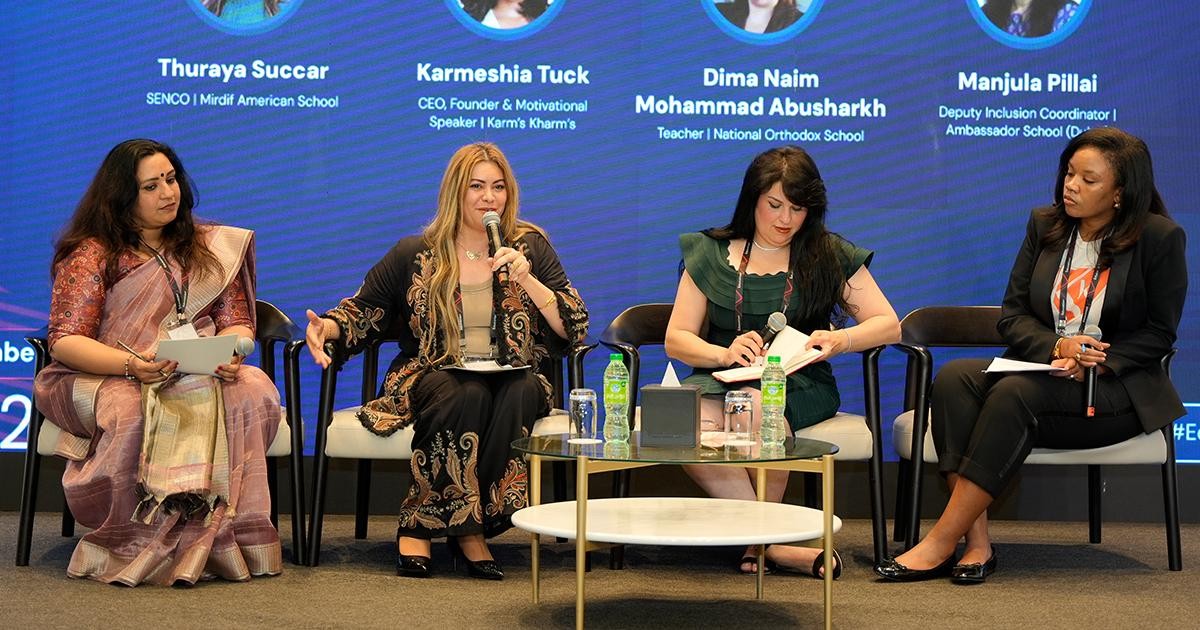

Learning experience design (LX design) has become something of a buzzword in the global education sector but it is so much more than that. As it is an interdisciplinary field, the subject of LX design has been taken up at various education events. given that it includes elements from the realms of neuroscience, pedagogy, and interaction design, to name a few.
In this blog, we will take a hard, long look at what LX design actually means and the ingredients that education will require to craft learning experiences that actually deliver results in a virtual learning environment.
Explained simply, learning experience design, or LX design, involves crafting learning modules and experiences that offer the maximum benefit to the end-user/learner, with the goal being to achieve desired learning outcomes in a human-centric manner.
Thus, lessons are built around the learning needs and abilities of students by putting them at the center of the entire process. Ultimately, it is beneficial in creating learning experiences that are meaningful and engaging.
While LX design is an emerging field in the design arena, educators rose up to the occasion and adopted a few of its principles when learning largely went online during the pandemic. It has been noted that LX design can make the shift to virtual easier for learners and also lead to better learning outcomes in such an environment.
Here is a quick overview of some of the principles and best practices advocated by LX design experts to make virtual learning more fruitful and easier:
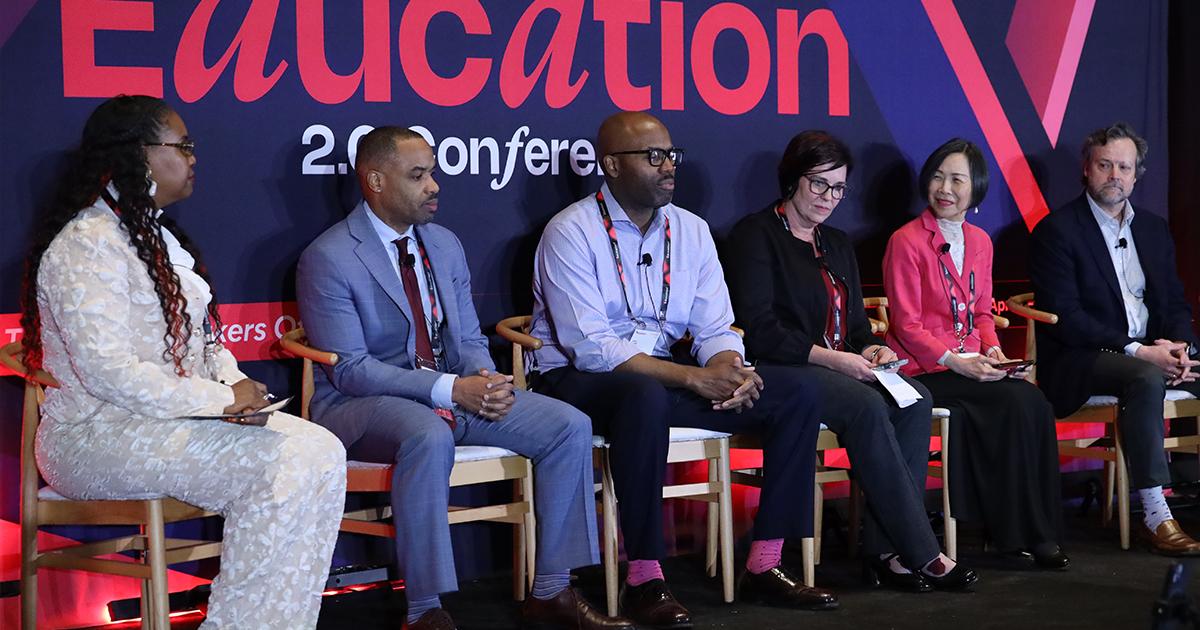
A lot of developments are taking place in the arena of learning experience design. For those who wish to explore this arena, the Education 2.0 Conference will have numerous sessions dedicated to this subject. One of the most-awaited upcoming education conferences, it will bring together some of the brightest minds who are ushering in a new era of innovation in the global education community.