

Have you ever wondered how prepared today’s students are for the digital world they are stepping into? With technology evolving at breakneck speed, it’s more important than ever for students to be digitally savvy. From navigating online resources to understanding the basics of coding, developing digital literacy is essential for success in education and beyond. But how can educators effectively build these skills in students, ensuring they are prepared to thrive in a tech-driven world?
In this blog, we’ll explore creative and practical strategies shared by the Education 2.0 Conference experts, i.e., one of the upcoming education events in 2024 to help students become more digitally adept, paving the way for their academic and future career success.
Digital literacy is no longer a luxury or an optional skill—it's a necessity. As more industries incorporate technology, having digital know-how becomes a key competency for students. Being digitally savvy means more than just using social media or navigating a Google search; it’s about understanding how to safely and effectively use digital tools, think critically about information, and adapt to new technological trends.
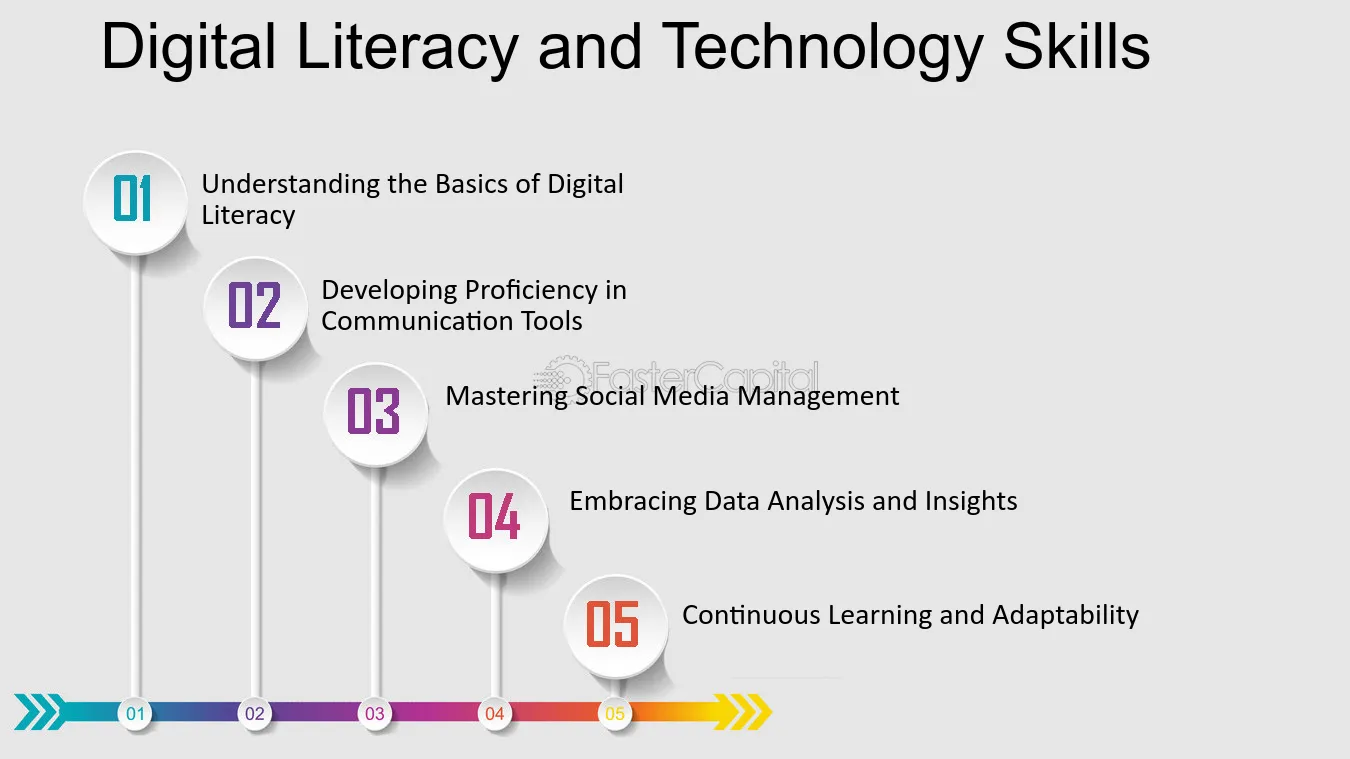
Source:Faster Capital
Let’s explore some strategies discussed by the education conference experts that educators and parents can use to build these skills.
One of the best ways to develop digital skills is by incorporating technology into everyday learning. By making technology a natural part of the learning environment, students become more comfortable and proficient in using it.
By blending technology with daily lessons, students develop practical digital skills while learning traditional subjects.
In today’s connected world, it’s crucial for students to grasp the fundamentals of responsible digital citizenship. This means knowing how to interact respectfully online, protect their personal information, and avoid harmful behaviors such as cyberbullying.
As per the insights shared by the education conference experts, i.e., our Education 2.0 Conference equipping students with these skills not only helps them stay safe online but also promotes a more respectful and thoughtful digital community.
Technology offers students countless opportunities to express creativity. Whether it’s making a short film, designing a website, or creating digital art, students can leverage digital tools to turn their ideas into reality.

Innovation is driven by creativity, and with the help of digital tools, students can expand the limits of their imagination.
Problem-solving is a critical skill in the digital age. Technology provides an excellent platform for students to develop this ability, whether it’s through coding challenges, robotics, or even troubleshooting software issues.
Problem-solving in digital spaces helps students build resilience and adaptability, essential traits for future success.
In addition to incorporating technology into daily learning, offering specialized workshops focused on digital skills can accelerate students’ proficiency.
According to the education conference experts, workshops provide students with hands-on experience and allow them to dive deeper into areas of interest within the digital landscape.
Collaboration is a key component of digital literacy. Today’s workplaces are increasingly remote and digital, making online collaboration skills vital. By encouraging students to work together using digital platforms, educators can help them develop these essential skills.
These collaborative environments not only help students build teamwork skills but also mirror the way modern workplaces operate, making them better prepared for the future.
Developing digital savvy among students is crucial as we continue to move deeper into the digital age. As per the insights shared by the experts of the upcoming education events in 2024, i.e., Education 2.0 Conference, by integrating technology into the classroom, teaching online safety, promoting creativity, promoting problem-solving, offering workshops, and encouraging collaboration, educators can prepare students for a world that is increasingly driven by digital innovation.
The goal is to make sure students are not merely passive technology users but are actively engaged, thoughtful, and responsible digital citizens. With the right strategies in place, today’s students can become tomorrow’s tech-savvy leaders.
Answer. Attendees will explore cutting-edge strategies, tools, and techniques to promote digital literacy among students, with expert-led discussions, workshops, and networking opportunities designed to prepare students for a tech-driven future.
Answer. Digital literacy equips students with the skills needed to navigate online tools, think critically, and succeed in an increasingly digital world, both academically and professionally.
Answer. Teachers can use interactive tools, assign online research projects, and encourage digital collaboration platforms to seamlessly blend technology into everyday learning.
Answer. Digital citizenship involves teaching students how to act responsibly, safely, and respectfully online, ensuring they navigate digital spaces thoughtfully and protect their personal information.
Answer. Coding helps students build problem-solving, logical thinking, and creativity skills, making it an essential part of digital literacy development. Platforms like Scratch and Code.org make coding accessible and fun.