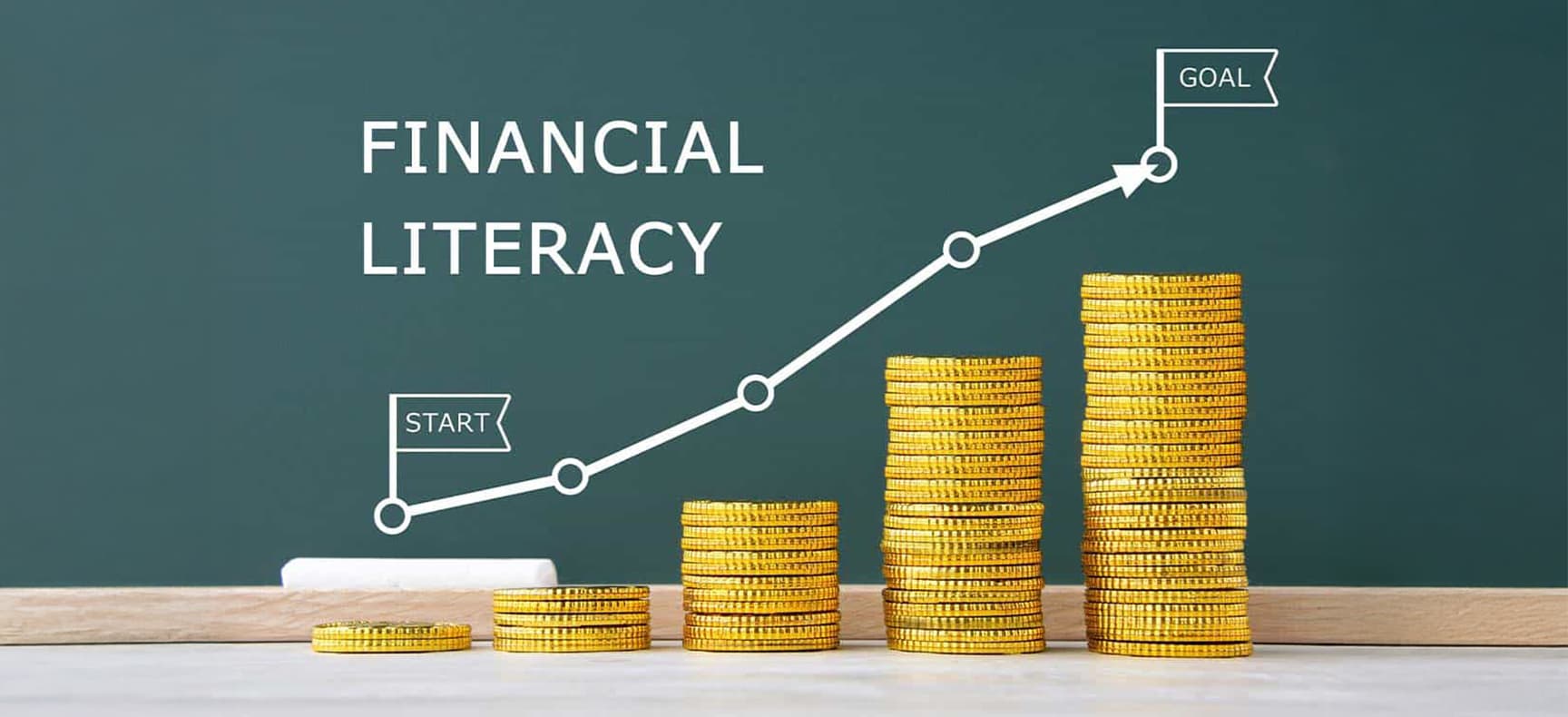
Financial Literacy In Education
From budgeting basics to smart investing, our education innovation conference will show how financial literacy will empower tomorrow's learners.
From budgeting basics to smart investing, our education innovation conference will show how financial literacy will empower tomorrow's learners.
Financial literacy in education is the integration of money management skills, critical thinking, and economic understanding into the learning experience, giving students the tools to make informed decisions throughout life.
In today's classrooms, this can mean budgeting simulations, interactive credit score lessons, or projects tracking mock investments. Many schools weave personal finance into math, social studies, or entrepreneurship courses, making it a cross-disciplinary skill often explored at an education innovation summit.
Technology is also transforming how students learn these skills. AI-powered budgeting tools, gamified finance apps, and virtual marketplaces offer safe, engaging ways to practice financial decision-making. Regardless of their path — arts, sciences, or trades — financial literacy is a universal life skill that gives graduates both knowledge and confidence to navigate an increasingly complex economy.

The need for financial literacy education has never been more pressing, with young people stepping into financial independence earlier and facing increasingly complex money decisions.
This theme is about more than preparing students for adulthood — it's about building resilience, promoting equity, and equipping them to make informed, confident financial choices in any economic climate.
In this theme, we'll explore practical strategies, classroom innovations, and policy frameworks shaping financial literacy education today. Each session at our education innovation summit is grounded in real-world examples:
How to weave essential concepts like budgeting, saving, investing, and credit management into core and elective courses, ensuring all students gain exposure to practical money skills.
A look at how gamified apps, AI-powered simulations, and online tools can transform financial education from a textbook exercise into an interactive, engaging experience.
Why educators need their own financial literacy support and how professional development can help them confidently deliver these lessons to diverse student populations.
Addressing the gap in financial education resources for underserved communities and ensuring all students, regardless of background, receive quality instruction.
How governments, NGOs, and educational institutions are working to mandate financial literacy in schools and create nationwide standards for all learners.
Using assessments, data analytics, and longitudinal studies to track the effectiveness of financial literacy programs and demonstrate their long-term value.
Examines how human behavior influences financial decisions, offering stories and insights educators can translate into relatable classroom activities.
A student-friendly adaptation of the personal finance bestseller, encouraging critical thinking about money, assets, and opportunities.
Presents a nine-step program for transforming one's relationship with money — adaptable for student projects on values-based financial planning.
Weekly episodes featuring educators who share best practices, lesson plans, and innovative teaching methods for financial topics.
A compelling case for why financial education should be considered a core life skill for every student worldwide.
Engaging, story-driven explanations of economics and finance, helping educators connect global trends to local classroom discussions.
Fun, competitive quizzes to reinforce financial concepts through interactive play in any classroom setting.
A personal budgeting tool students can use to create and track their own financial plans in real time.
Real-world simulations that guide students through scenarios like buying a car, managing a paycheck, and avoiding debt.
Yes. Financial literacy is relevant across subjects, and our education innovation conference sessions provide adaptable strategies for any teaching background.
Absolutely. The education summit will feature case studies, simulations, and demos that go beyond theory into hands-on, applicable strategies.
We'll share inclusive approaches at our global education conference, ensuring all students have access to quality financial literacy resources regardless of background.
Yes. Many young people use budgeting apps and online banking — our education innovation summit sessions help educators guide them toward safe, informed choices.
Definitely. Whether you're new or experienced, our education conference discussions will give you practical, ready-to-use ideas for any classroom environment.
The upcoming Education 2.0 Conference is set to be held in Dubai, UAE and the USA. Please check our website for the latest dates and venue details.
We only accept payments in USD ($).
We accept several payment methods prior to the conference, including VISA, Mastercard, American Express, Maestro, Discover, Bank Transfer, and PayPal. For your convenience, we also have an interest-free installment plan in place. Please contact the team for more information.