Practitioner Insight Into Research Gaps
Educators can describe problems they face that existing studies do not answer, pointing researchers toward questions with real demand.

An education conference for researchers who want their work to inform practice, and who want practitioners, institutions, and policymakers to shape their questions.

Education research can improve teaching and learning only when it reaches the people who apply it. Studies often end in journals while the classroom questions that prompted them continue.
Education 2.0 Conference gives researchers a place to share findings with educators, institutional leaders, policymakers, and EdTech teams, and to learn which questions matter most in practice.
Researchers benefit from hearing how their findings are read, questioned, and applied outside academic settings.
These conversations can help researchers shape questions, methods, and communication around the needs of the people who use their work.

Researchers work between theory and application. The conference adds views from the people who teach, manage, fund, and build for education.
Educators can describe problems they face that existing studies do not answer, pointing researchers toward questions with real demand.
Practitioners may read results differently from academic peers. Their questions can show how findings might be misunderstood or applied.
Policymakers and institutional leaders can explain what evidence they look for when allocating resources.
Discussions show what happens when an intervention moves from a controlled study into varied settings.
Meeting people outside your own field can lead to joint projects and shared datasets.
Education 2.0 Conference brings together people who study learning, teaching, assessment, technology, and education systems.
Their methods and disciplines differ, but they share a goal: producing evidence that improves education.
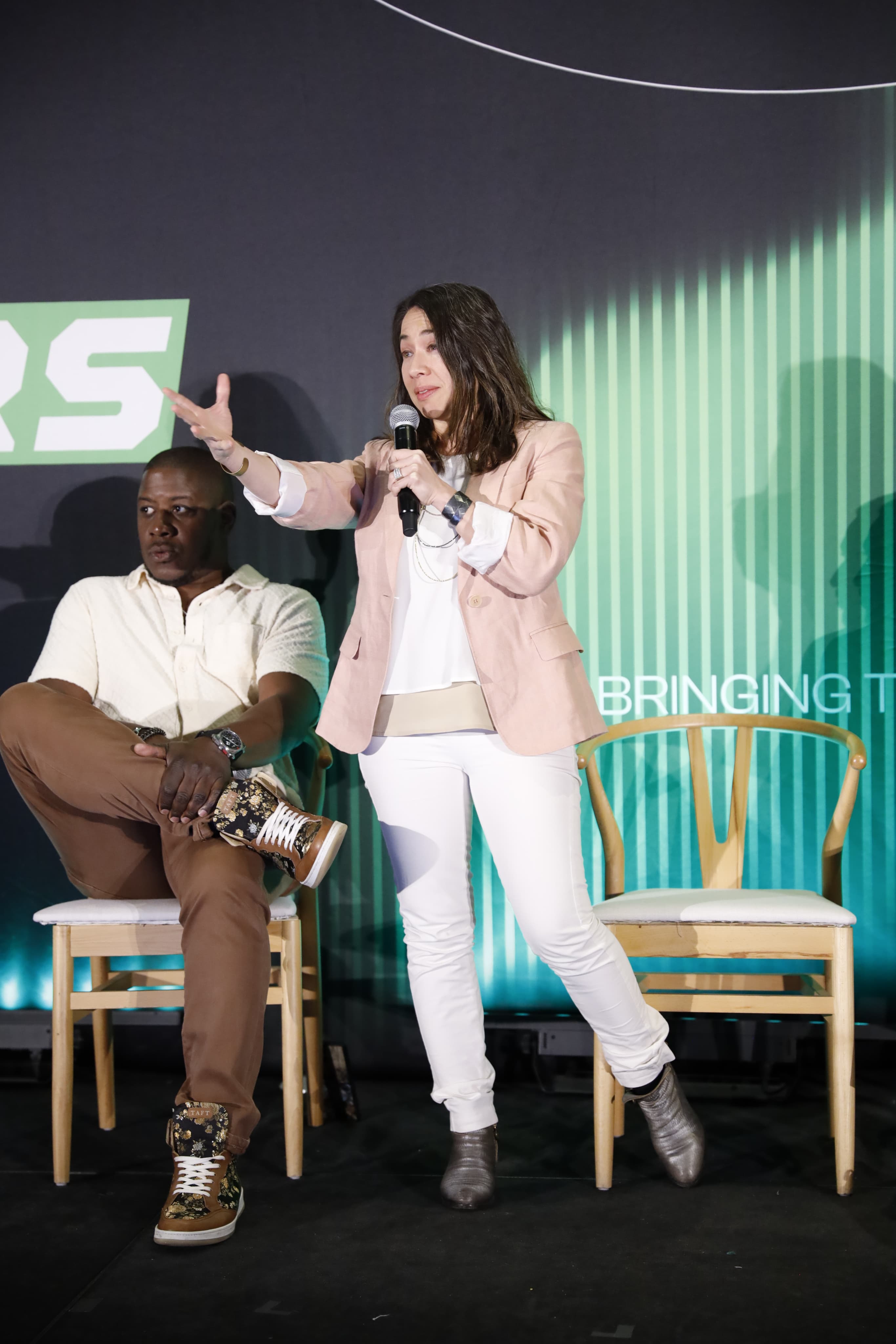
Academics studying learning, pedagogy, curriculum, and education systems.
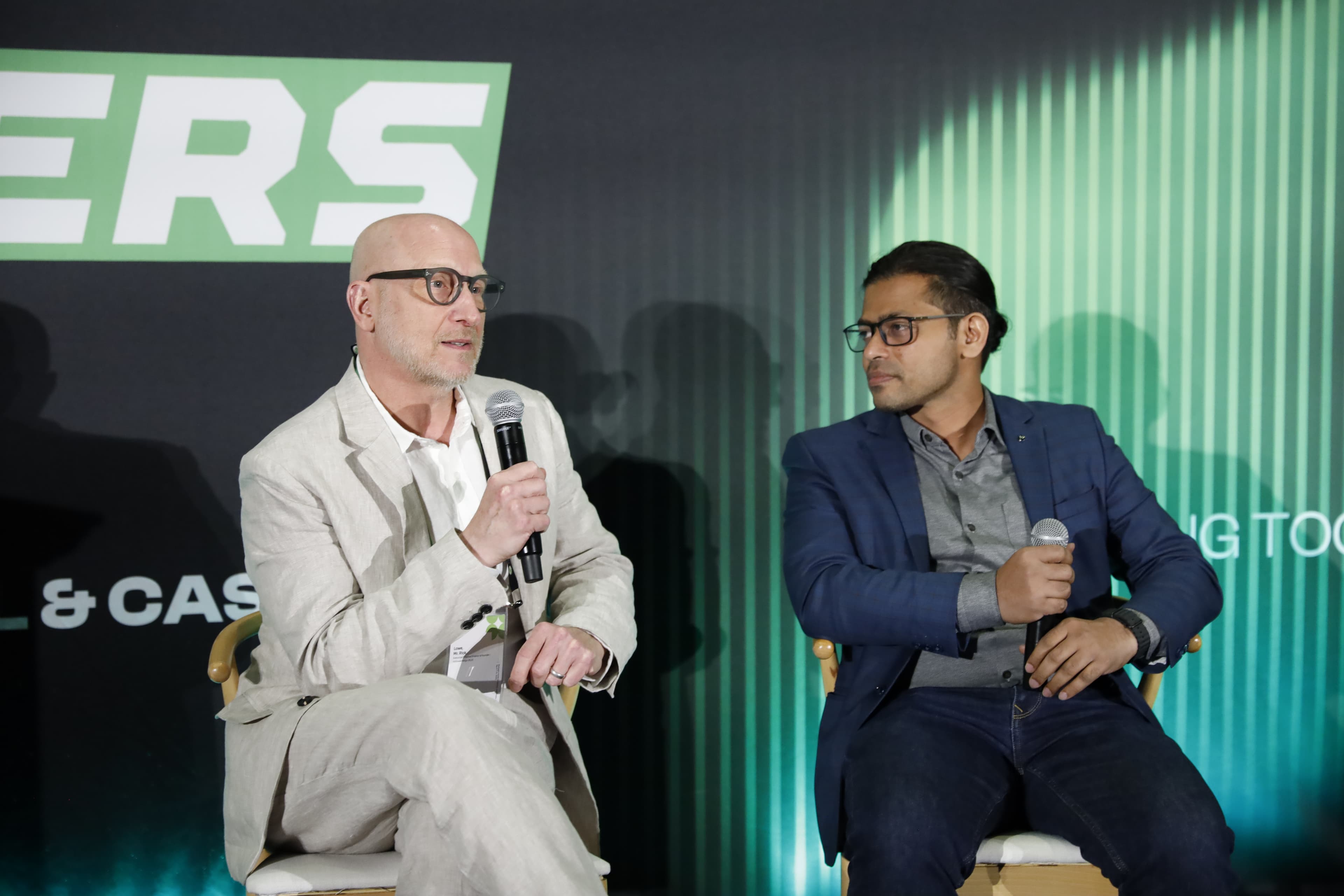
Researchers who examine how people learn and how environments can support it.
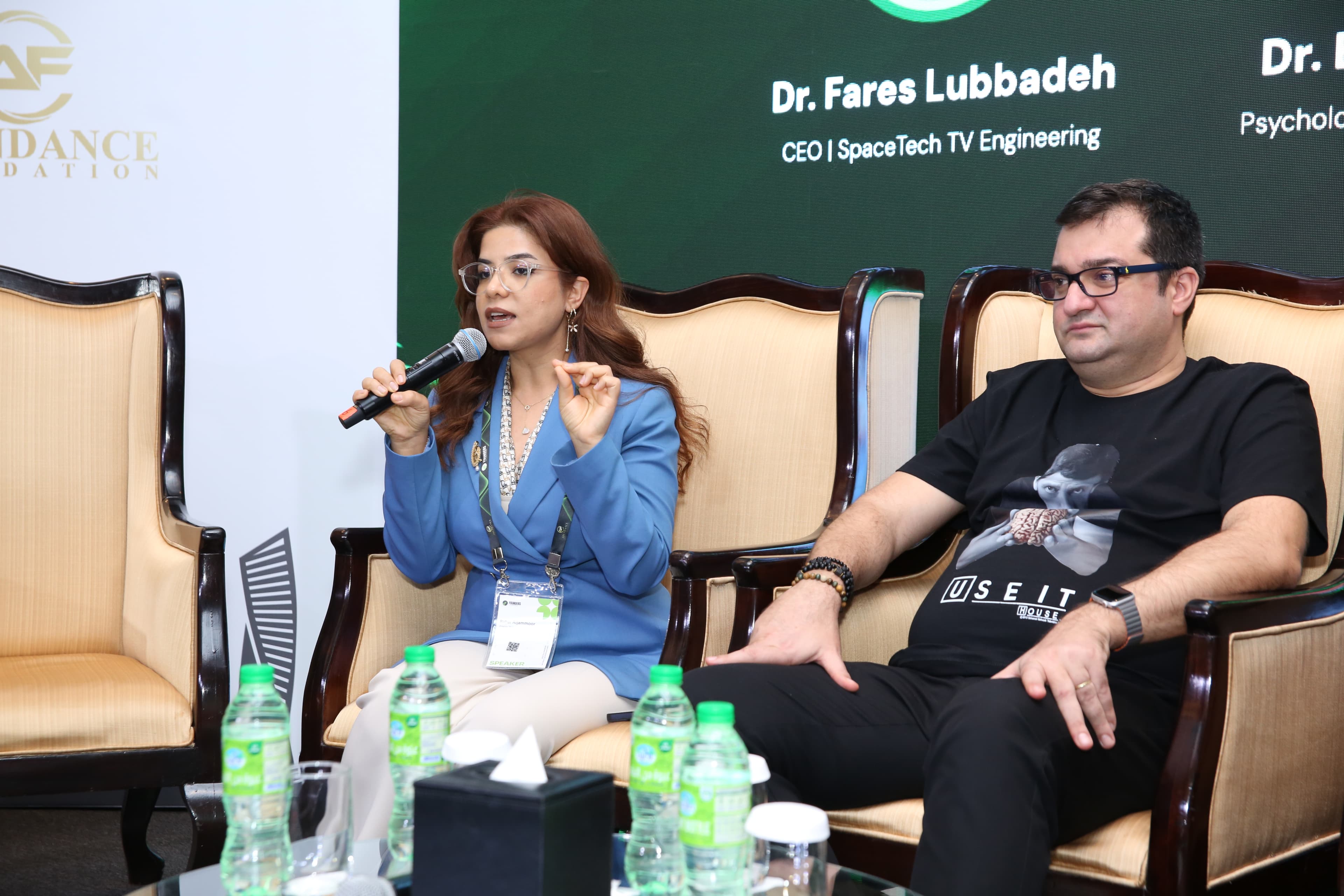
Specialists who use data to understand outcomes, access, and the effects of programs.

Emerging scholars building networks and testing ideas with a wider audience.
Education 2.0 Conference gives researchers room to examine open questions with the people who experience them.

AI tools promise tailored instruction, but evidence is still developing. Researchers discuss what has been shown and what remains uncertain.

Measuring learning is difficult. Discussions explore methods that capture understanding rather than recall.

Research can show who benefits from interventions and who does not, helping institutions respond.

Studies of teacher training and practice help identify what supports sustained improvement.

A result in one setting does not always hold in another. Researchers examine what changes when programs grow.

Data on learners carries responsibility. Participants consider consent, privacy, and transparency.
Research has more effect when the people who use it help shape it. The conference puts these groups in the same room.
Each group offers a different view of what makes evidence useful.
Practitioners who can describe real classroom conditions and open questions.
Decision-makers who determine how evidence is used in reform and funding.
Leaders who host studies and decide which findings to adopt.
Product builders who can test ideas at scale and seek credible evidence.
Researchers need to know which developments will change the questions worth asking in education.
Sessions at Education 2.0 Conference bring together views on learning science, technology, policy, and institutional practice.
Hearing those views directly can help researchers connect their work with questions practitioners are already asking.
University faculty, learning scientists, data analysts, doctoral students, and research staff working on education topics.
Share your details and our team will get in touch with information about attending Education 2.0 Conference, upcoming sessions, and networking opportunities.

Researchers produce findings that could improve teaching and learning, but the route from publication to practice is rarely direct.
Education 2.0 Conference brings researchers into conversation with educators, institutions, policymakers, and technology teams who decide how evidence is used.
The conference does not replace peer review. It gives researchers additional context as they decide which questions deserve effort and how to share results with those who need them.