Where Institutions Connect, Learn, And Move Forward

Where Institutions Connect, Learn, And Move Forward

A conference for educational institutions to examine new learning models, assess technology choices, strengthen student experiences, and exchange ideas with the wider education community.

Home/education-conference-for-institutions
Navigating Change Across Educational Institutions

Navigating Change Across Educational Institutions

Schools, colleges, universities, and training organizations are managing change on several fronts. Student expectations are shifting, technology is entering more areas of academic life, and workforce needs continue to evolve. At the same time, institutions must support faculty, maintain learning quality, and create environments that serve diverse student populations.

These priorities require decisions that work across departments rather than within a single classroom or program. Education 2.0 Conference brings institutional representatives together with education leaders, researchers, policymakers, EdTech professionals, and other stakeholders who see these challenges from different perspectives.

For institutions, this creates an opportunity to compare approaches, examine emerging developments, and consider how wider changes in education may relate to their own academic and organizational priorities.

What Brings Educational Institutions To Education 2.0 Conference?

Institutions must balance academic goals with student needs, operational demands, technology decisions, and long-term planning. Changes in any one of these areas can affect the wider learning environment. Education 2.0 Conference gives institutional representatives a setting to examine these connected priorities and learn how other organizations are responding to change.

Institutions can use their time at the conference to:

  • Examine new models for teaching and learning
  • Understand the growing role of AI and EdTech
  • Explore ways to strengthen the student experience
  • Consider changing expectations around career readiness
  • Discuss approaches to faculty development and support
  • Examine accessibility, inclusion, and student well-being
  • Hear different perspectives on institutional leadership
  • Connect with policymakers, researchers, and technology professionals
  • Compare priorities with other education organizations

These conversations can help representatives evaluate emerging ideas in relation to their institution's learners, resources, academic goals, and future direction.

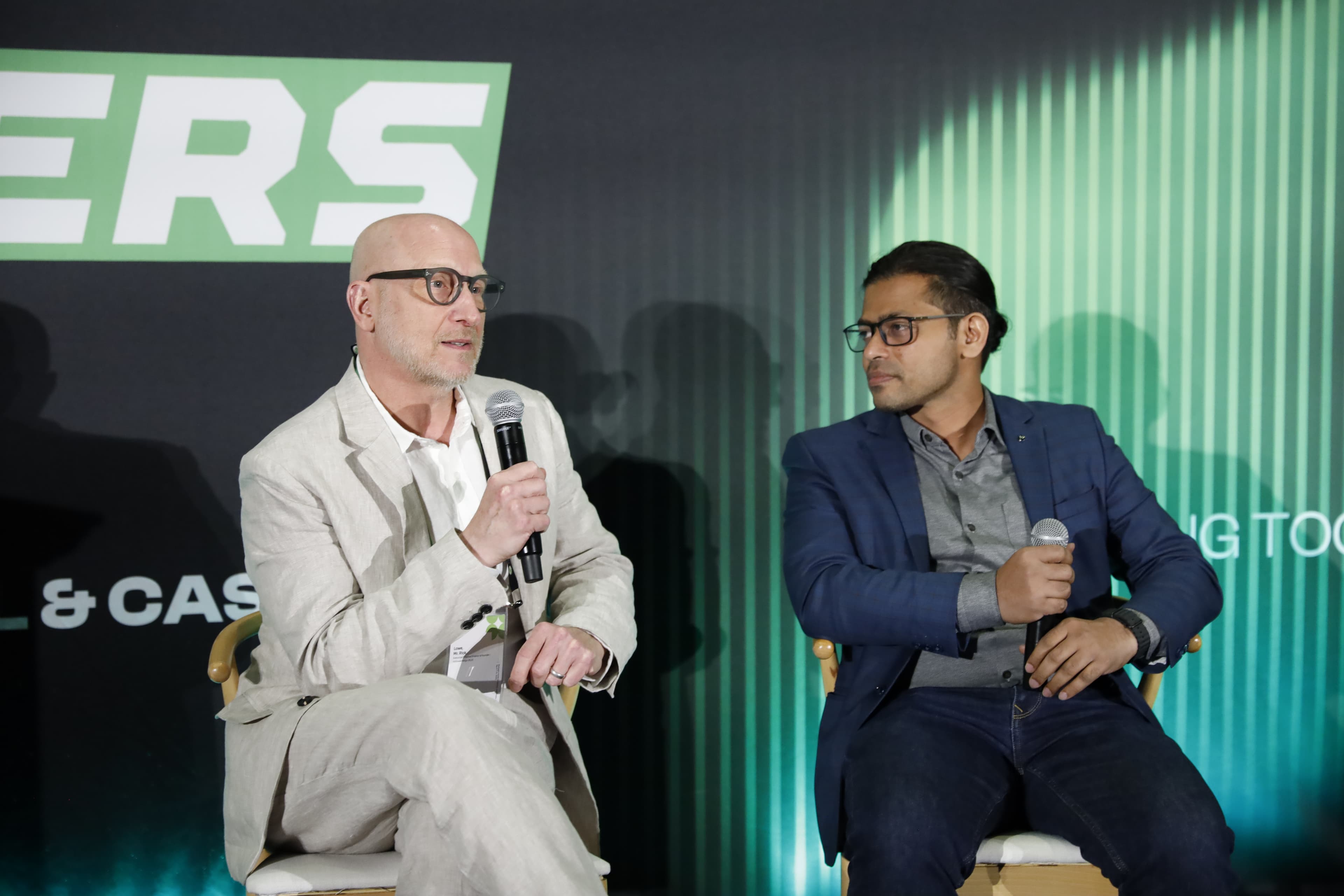
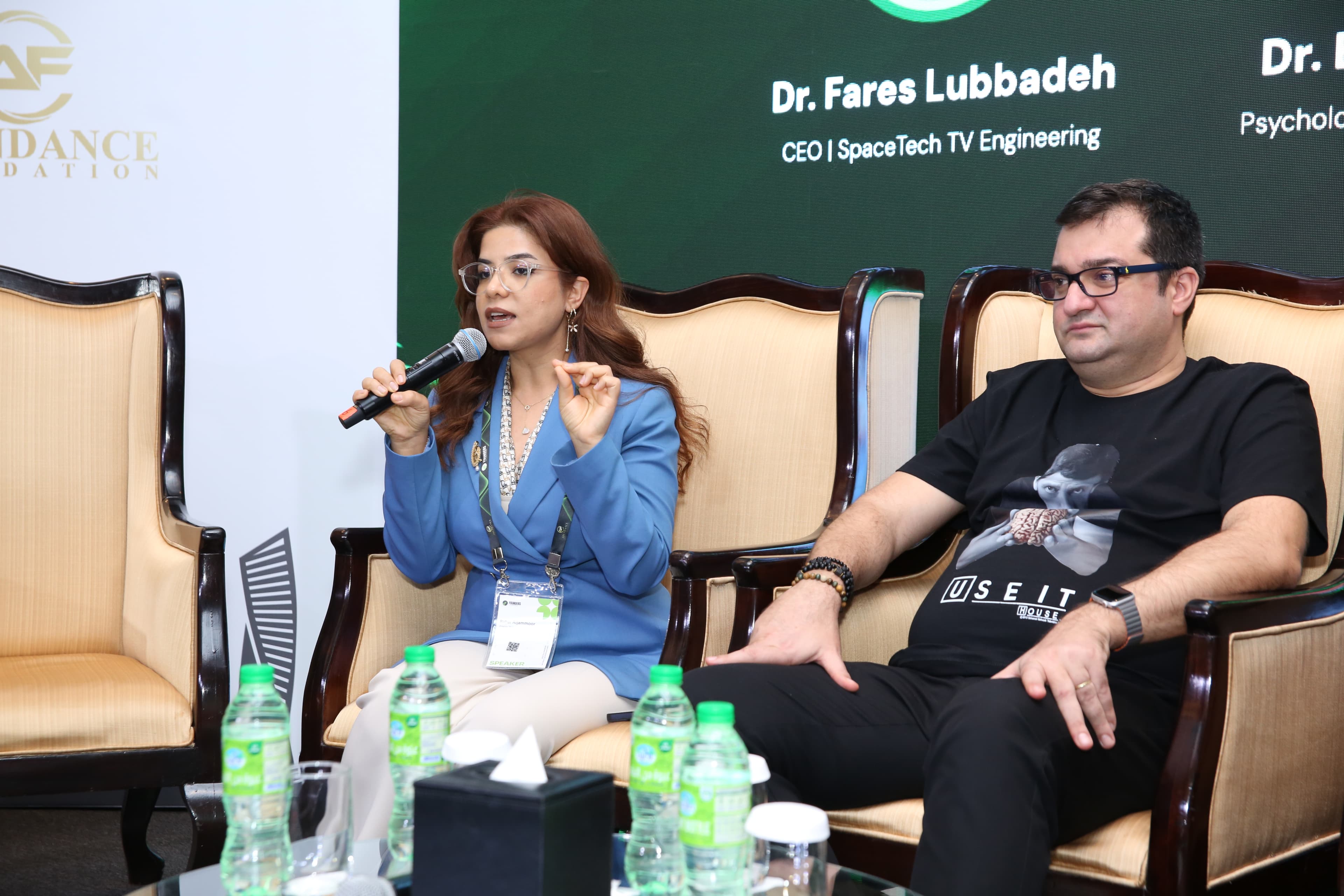
Institutional representatives in conversation at Education 2.0 Conference

Where Institutions Can Find Practical Value

An educational institution's needs span academics, administration, student support, technology, and workforce preparation. Education 2.0 Conference allows representatives to explore these areas through different professional viewpoints.

See Challenges From New Angles

Conversations with education administrators, academic professionals, researchers, and other stakeholders can reveal how similar challenges are handled in different settings. These perspectives can provide useful reference points for institutional planning and decision-making.

Evaluate Technology With Purpose

AI, digital platforms, and learning technologies offer new possibilities, but adoption requires careful consideration. Institutional representatives can examine how technology relates to academic goals, student needs, faculty readiness, and existing systems before determining where it may add value.

Examine The Student Experience

Academic results are only one part of student success. Belonging, accessibility, well-being, engagement, and career preparation can also influence how learners progress. Institutions can hear different approaches to supporting these areas across the student journey.

Strengthen Support For Faculty

Educational change often depends on the people responsible for delivering it. As teaching models and technologies evolve, faculty members may need professional development, clear guidance, useful resources, and institutional support to adapt effectively.

Expand Institutional Connections

Representatives can meet policymakers, researchers, technology professionals, other institutions, and education leaders. These interactions can provide a broader understanding of developments taking place across the education sector.

Institutions Represented At Education 2.0 Conference

Educational organizations vary in size, purpose, learner population, and academic model. Bringing different types of institutions together creates opportunities to compare priorities and understand how change is unfolding across education.

Schools And School Networks

Schools And School Networks

Schools and education networks can examine developments in curriculum, student engagement, technology, educator support, and well-being. Representatives can also hear how other school communities are responding to changing learner expectations.

Colleges And Universities

Colleges And Universities

Higher education institutions can explore student success, digital learning, faculty development, academic innovation, employability, and other developments influencing the college and university experience.

Vocational And Technical Institutions

Vocational And Technical Institutions

Career and technical education providers can engage with discussions around practical learning, skills development, workforce readiness, and changing industry requirements. These conversations can help connect program priorities with evolving professional needs.

Training And Professional Learning Organizations

Training And Professional Learning Organizations

Organizations serving adult and professional learners can examine reskilling, lifelong learning, flexible delivery, learner motivation, and technology-supported training as career paths continue to change.

Specialized Learning Institutions

Specialized Learning Institutions

Institutions serving specific learner populations can contribute perspectives on accessibility, personalized learning, inclusion, specialized instruction, and the design of environments that respond to different educational needs.

Priorities Reshaping Institutional Planning

Education organizations are making choices today that may influence learning for years to come. Technology, student expectations, workforce shifts, and new delivery models are creating priorities that institutions need to assess carefully.

Preparing Institutions For AI

Preparing Institutions For AI

Artificial intelligence is affecting instruction, assessment, student services, and administration. Institutions must consider responsible use, academic integrity, data practices, faculty preparedness, and the role AI should play within their academic environment.

Looking At Student Success More Broadly

Looking At Student Success More Broadly

Institutions are paying closer attention to what helps students remain engaged and make progress. Academic support, mental health, accessibility, belonging, and career preparation can all contribute to the quality of the student experience.

Creating Flexible Learning Options

Creating Flexible Learning Options

Hybrid formats, digital delivery, adult education, and changing student circumstances are expanding where and how learning can take place. Institutions can examine ways to offer greater flexibility while protecting academic quality and meaningful interaction.

Helping Faculty Adapt To Change

Helping Faculty Adapt To Change

New institutional priorities can place additional demands on educators. Professional development, collaboration, clear expectations, and access to suitable tools can help faculty respond to changes in technology and teaching without losing sight of learning outcomes.

Connecting Education With Future Careers

Connecting Education With Future Careers

Students are entering a labor market where technical knowledge is often expected alongside communication, critical thinking, adaptability, collaboration, and digital skills. Institutions can examine how programs and learning experiences reflect these changing expectations.

Different Institutions, A Broader Exchange Of Ideas

A university may approach change differently from a school network, vocational institution, or professional training provider. Those differences make institutional exchange valuable. Each organization brings its own experience with learners, academic models, resources, and priorities.

Education 2.0 Conference brings these perspectives into conversation with education innovators, policymakers, researchers, and technology professionals. This mix gives representatives an opportunity to see how ideas are being interpreted across different parts of education.

Here is a look at some of our past institutional attendees:

Enass Fatani

Enass Fatani

School Director, Royat Al Ebtikar International School

Isam Abdel Rahman

Isam Abdel Rahman

Principal, Advanced Learning Schools

Jem Herald Deliarte

Jem Herald Deliarte

Principal, Tucson International Academy

Nilofer Masoom

Nilofer Masoom

Deputy Head Of School, Al Rowad International Schools

Shravya Reddy

Shravya Reddy

Managing Director, Presidency Group Of Schools

Dr. Takeifa Tracey Randall-Wesley

Dr. Takeifa Tracey Randall-Wesley

Principal, American German School

Thyagu Valliappa

Thyagu Valliappa

CEO, Sona College Of Technology

Laura McDonald

Laura McDonald

Dean, Kwantlen Polytechnic University

Carolyn Scott

Carolyn Scott

Chief Academic Officer, American National University

Jon Oelke

Jon Oelke

Director, Faculty Development & Engagement, National Louis University

Dr. Jonathan Strecker

Dr. Jonathan Strecker

Head Of School, Valley School Of Ligonier

Dr. Sonya S. Gaither

Dr. Sonya S. Gaither

Dean, Libraries, Clayton State University

Exploring The Priorities Shaping Educational Institutions

Institutional priorities rarely operate independently. A new technology may affect teaching practices, faculty development, assessment, infrastructure, and student support. A change designed to improve student success may require cooperation across academic and administrative teams.

Sessions at Education 2.0 Conference examine these connections through discussions on AI and EdTech, leadership, student well-being, assessment, learning models, inclusion, skills development, and other issues affecting educational organizations.

Institutional representatives can use these conversations to compare approaches, identify questions relevant to their organizations, and better understand how different parts of education are responding to change.


Frequently Asked Questions

Schools, colleges, universities, vocational institutions, training organizations, specialized learning centers, and other education providers can participate in Education 2.0 Conference.

Submit Your Interest

Share your details and our team will get in touch with information about attending Education 2.0 Conference, upcoming sessions, and networking opportunities.

Registration desk at the conference

Explore New Possibilities For Your Institution

Educational institutions must manage today's academic and operational responsibilities while preparing for changes that may reshape learning tomorrow. Technology decisions, faculty capacity, student support, curriculum priorities, and workforce expectations all require careful consideration.

Education 2.0 Conference gives institutional representatives a chance to examine these areas outside their usual internal discussions. They can hear from other institutions and engage with researchers, policymakers, technology professionals, and people working on new approaches to education.

No single approach will suit every organization. Different institutions have different learners, resources, missions, and priorities. Hearing how others are responding can provide useful context for deciding which developments deserve attention and which may not fit an institution's current needs.

Discover different approaches, exchange institutional experiences, and connect with professionals across education at Education 2.0 Conference.

Institutional leaders talking during a conference networking break