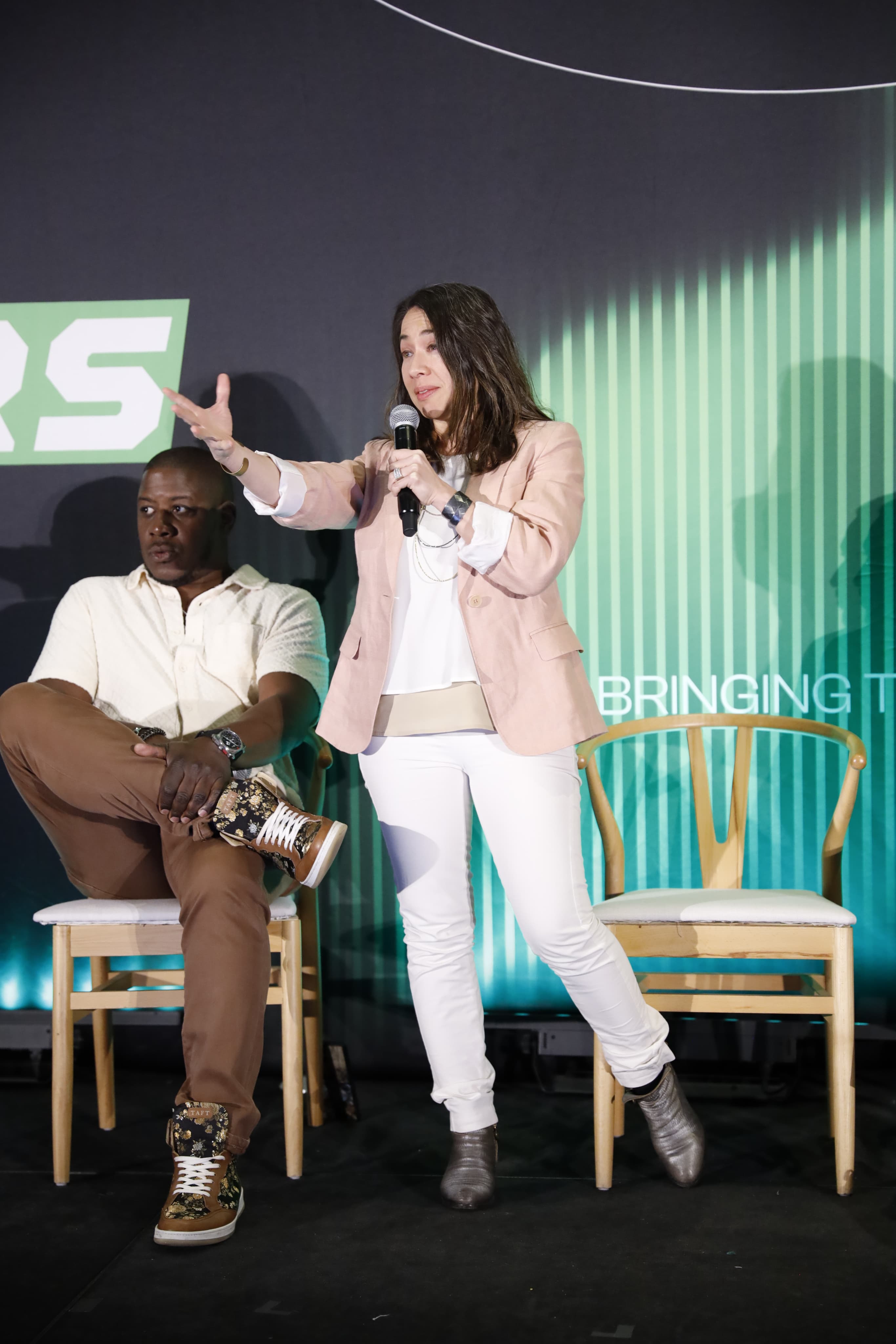
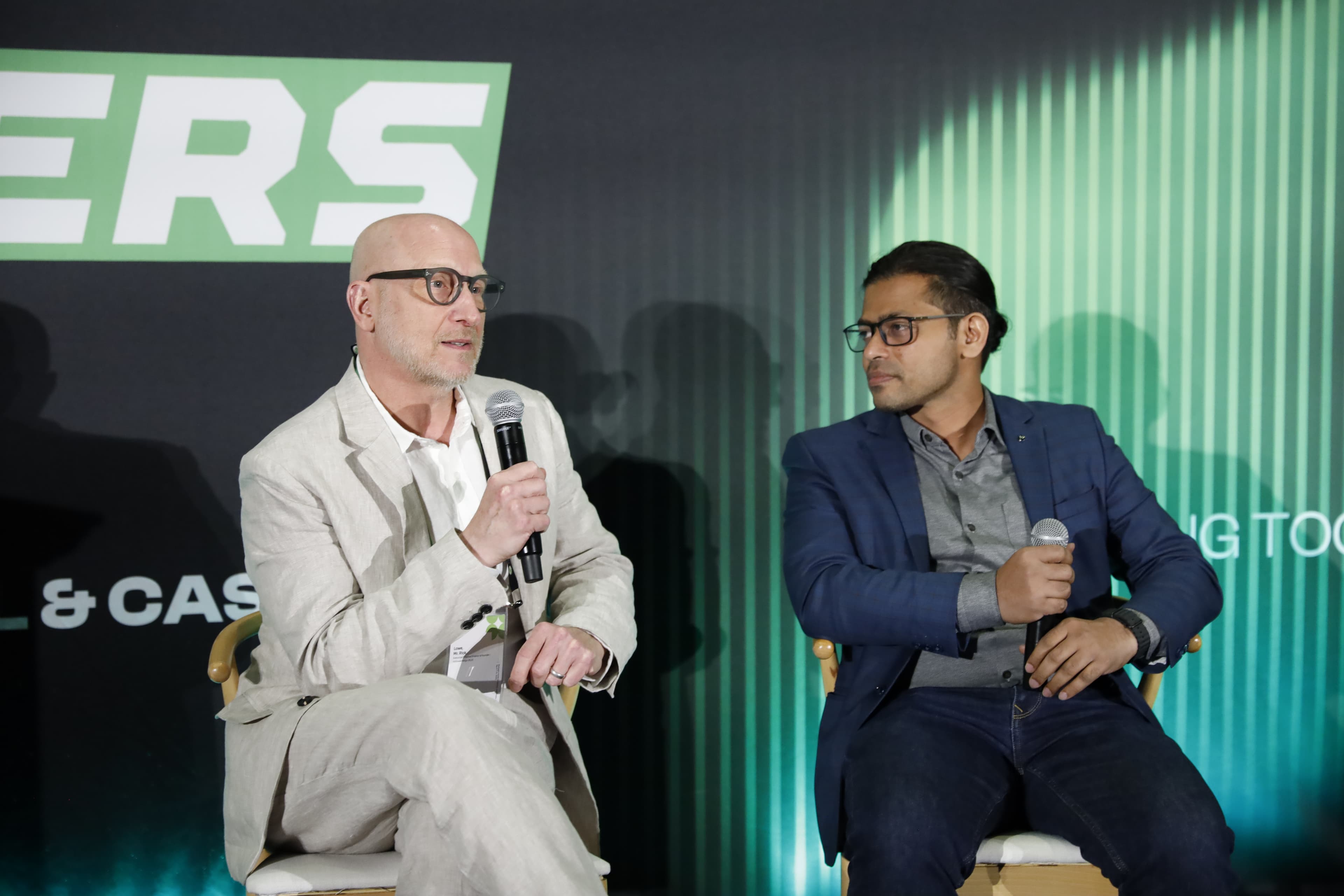
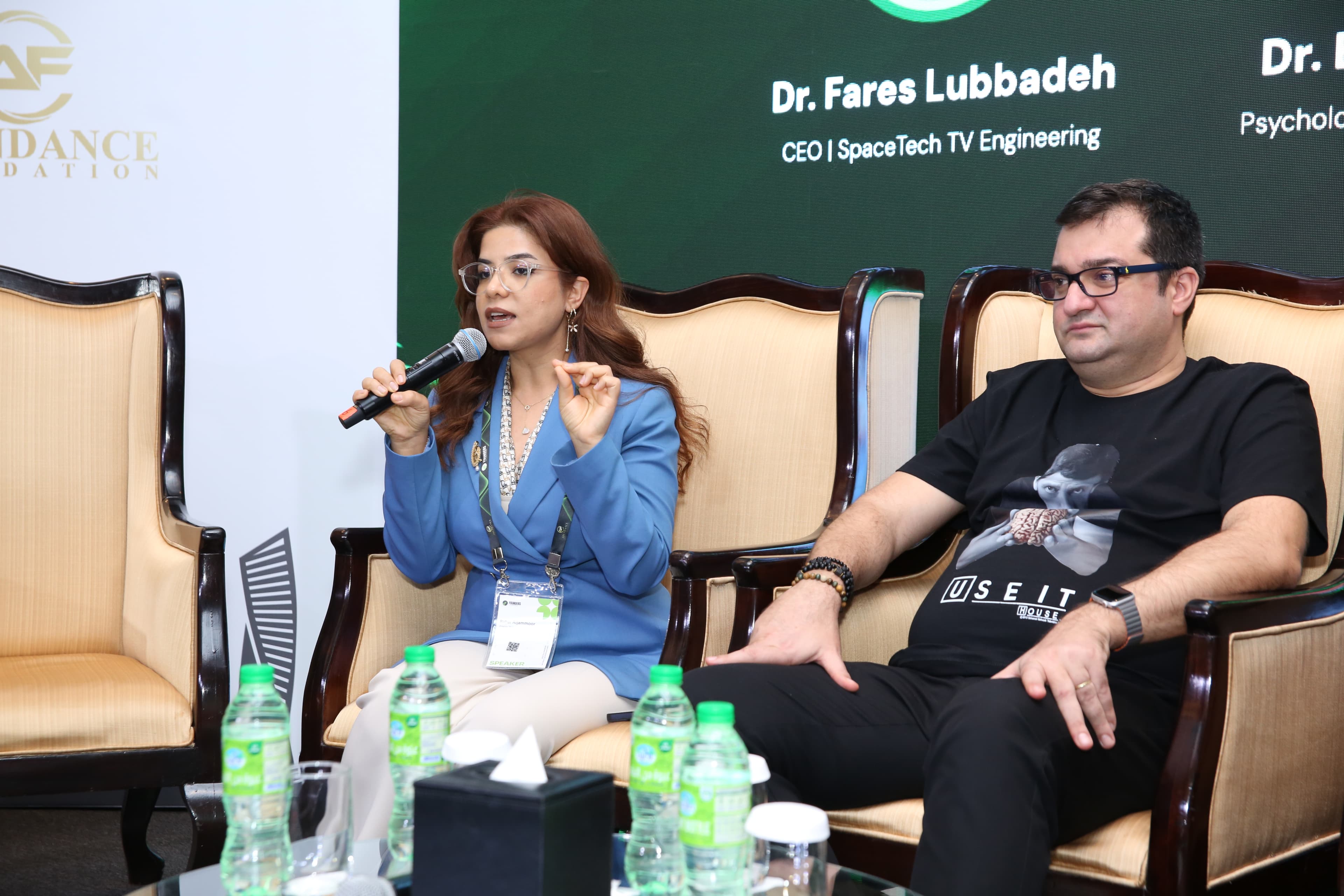
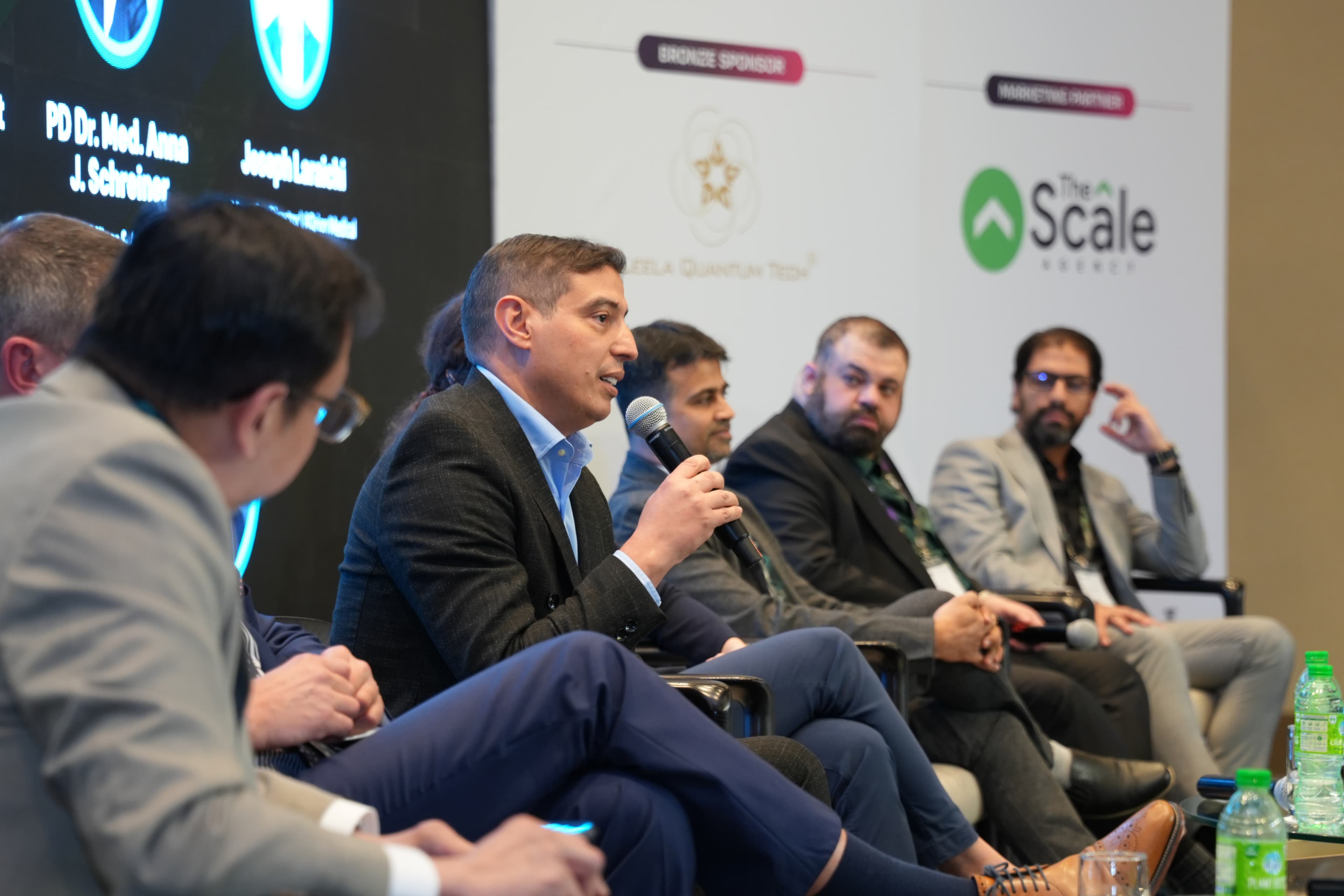
Empowering Educators To Shape The Future Of Learning

Empowering Educators To Shape The Future Of Learning

Learn alongside educators who are rethinking classroom practices and finding better ways to engage and support learners.

Home/education-conference-for-educators
Teaching Is Changing, And So Is The Educator’s Role

Teaching Is Changing, And So Is The Educator’s Role

Today’s educators are working through changes that reach far beyond curriculum delivery. Artificial intelligence is influencing how students access information, expectations around assessment are shifting, and classrooms are becoming more attentive to wellbeing, inclusion, accessibility, and different ways of learning.

Education 2.0 Conference creates space for these developments to be examined from multiple perspectives. Educators can hear from researchers, institutional leaders, EdTech professionals, policymakers, and education innovators, while also contributing insights shaped by their own experiences with learners.

The result is a broader conversation about what effective education can look like as learning environments continue to evolve.

What Makes The Conference Relevant To Educators?

Professional development becomes more useful when it reflects the situations educators are actually dealing with. Questions around student engagement, responsible technology use, learning differences, assessment, and future-ready skills increasingly overlap rather than existing as separate priorities. As an educator's conference, the Education 2.0 Conference gives attendees opportunities to examine these connected issues and learn how different professionals are approaching them.

Educators can use their time at the conference to:

  • Compare approaches to contemporary teaching challenges
  • Examine how AI is changing learning and assessment
  • Discover educational tools with practical applications
  • Exchange experiences with educators from different settings
  • Consider new approaches to student participation and engagement
  • Learn how institutions are responding to diverse learner needs
  • Explore developments in curriculum and skills-based learning
  • Hear perspectives from researchers and education leaders
  • Identify ideas relevant to their own students and institutions

By bringing classroom experience into conversation with research, technology, leadership, and policy, the conference gives educators a wider view of the developments affecting their work.

Educators in conversation at Education 2.0 Conference

Five Ways Educators Can Broaden Their Perspective

Education 2.0 Conference offers educators several ways to look beyond their immediate teaching environment and consider how wider changes in education may influence their practice.

Explore Different Approaches To Teaching

Educators can hear how professionals in different settings are addressing instruction, participation, assessment, and learner support. Comparing approaches can help attendees question assumptions and consider alternatives suited to their own educational context.

Make Better Sense Of New Technology

The challenge is no longer simply gaining access to digital tools. Educators also need to decide when technology contributes to learning and when it creates unnecessary complexity. Discussions around AI, EdTech, and digital learning can help attendees examine that distinction.

Exchange Lessons From Everyday Practice

Conversations among teaching professionals bring practical experience into the conference. Educators can discuss what they are seeing in classrooms, where students are struggling, which approaches are changing, and what they have learned through direct interaction with learners.

See Learning Through The Student’s Experience

Wellbeing, language, accessibility, neurodiversity, motivation, and personal circumstances can all influence learning. Exploring these dimensions can help educators understand why the same instructional approach may not work equally well for every student.

Meet People Working On Different Parts Of Education

Educators can connect with education leaders, researchers, technology professionals, policymakers, and fellow practitioners. Exposure to these different roles can help attendees understand how decisions made across the education sector eventually influence teaching and learning.

Who Educators May Find In The Conversation

The education community extends well beyond one type of classroom. Education 2.0 Conference brings together professionals working with learners across schools, universities, training environments, curriculum teams, and specialized support settings.

School Teachers

School Teachers

Teachers can examine approaches to classroom engagement, instructional design, assessment, technology use, and learner support while comparing their experiences with educators working in other schools and learning environments.

Higher Education Faculty

Higher Education Faculty

Professors and faculty members can explore changing student expectations, academic engagement, digital learning, assessment practices, and the capabilities students may need as they prepare for increasingly dynamic professional environments.

Curriculum And Instruction Professionals

Curriculum And Instruction Professionals

Curriculum specialists can examine how learning objectives, instructional methods, assessment, and emerging technologies fit together. They can also hear how educators experience curriculum decisions once they reach actual learning environments.

Adult Educators And Professional Trainers

Adult Educators And Professional Trainers

Professionals supporting adult and workplace learning can explore lifelong education, reskilling, learner motivation, flexible delivery models, and approaches designed for people balancing education with professional responsibilities.

Learning Support And Special Education Professionals

Learning Support And Special Education Professionals

Educators supporting different learning needs can engage with perspectives on accessibility, neurodiversity, inclusion, wellbeing, and individualized support while considering how learning environments can remain both flexible and purposeful.

Topics Shaping Educators’ Work Today

Changes in technology, student expectations, and learning environments are raising new questions about how education should be designed and delivered. Several of these areas are part of the wider conversations taking place at Education 2.0 Conference.

AI In Teaching And Learning

AI In Teaching And Learning

AI is influencing how students research, create, practice, and receive feedback. Educators can examine how these tools may fit into learning while considering critical thinking, academic integrity, responsible use, and the role of human guidance.

Student Participation And Ownership

Student Participation And Ownership

Learners can become more engaged when they understand their role in the learning process. Educators can explore ways to give students meaningful opportunities to contribute, make appropriate choices, and take greater responsibility without removing necessary instructional structure.

New Ways To Understand Progress

New Ways To Understand Progress

Tests and examinations provide one view of learning, but projects, practical tasks, feedback, and ongoing assessment can reveal different strengths. Educators can consider how multiple forms of assessment may provide a fuller picture of student progress.

Inclusive And Supportive Learning Environments

Inclusive And Supportive Learning Environments

Accessibility, mental health, neurodiversity, language, and individual circumstances can affect how students experience education. Conversations around these areas can help educators consider how learning environments respond to differences while maintaining clear expectations.

Skills That Extend Beyond The Curriculum

Skills That Extend Beyond The Curriculum

Students also need opportunities to develop communication, critical thinking, collaboration, adaptability, and problem-solving. Educators can explore how these abilities can become part of everyday learning experiences rather than isolated activities.


Perspectives From Across The Education Community

Classroom teachers, university faculty, curriculum professionals, trainers, and learning support specialists may work in very different environments, but many are navigating similar questions about technology, engagement, inclusion, assessment, and changing learner expectations.

Education 2.0 Conference brings these experiences into the same setting, giving attendees opportunities to see how educational challenges look from different professional viewpoints.

Here is a look at some of our past educator attendees:

Dr. Anamika Sharma

Dr. Anamika Sharma

Lecturer & Chief Assessor, Trinity College, University of Melbourne & Victorian Curriculum and Assessment Authority

Dr. Andika Putra Pratama

Dr. Andika Putra Pratama

Associate Professor, Institut Teknologi Bandung

Dr. Faisal Mohammed Alotaibi

Dr. Faisal Mohammed Alotaibi

Assistant Professor, Prince Sattam Bin Abdulaziz University

Hansjuerg Perino

Hansjuerg Perino

Teacher, Teacher Trainer & Project Manager, Digital Learning Hub Sek II & pincoach.ch

Hissah Sudan AlOtaibi

Hissah Sudan AlOtaibi

Teacher, Ministry of Education

Lloyd Pio C. Apsay

Lloyd Pio C. Apsay

Science & Math Teacher, High School, Tucson International Academy Inc.

Aditya Tandon

Aditya Tandon

Assistant Professor (Sr. Scale), ABES Engineering College

Alexander Salde

Alexander Salde

Middle School Teacher, Tucson International Academy

Arlene Canez

Arlene Canez

Principal, Tucson International Academy

Barbara Garza

Barbara Garza

Executive Director, AESA Prep Academy

John Tobin

John Tobin

Professor, Pepperdine GSEP

Carol Ann Modesitt

Carol Ann Modesitt

Professor, Music, Southern Utah University

Conversations That Stay Relevant After The Conference

Useful professional learning should continue to matter once an educator is back with students. The conference sessions focus on subjects connected to decisions educators are making now, including AI and EdTech, student wellbeing, assessment, literacy, inclusion, leadership, learning models, and skills development.

These discussions allow educators to compare emerging ideas with their own experiences rather than treating every new approach as universally applicable. Attendees can consider what deserves further exploration, what may work differently in their setting, and which questions they want to continue discussing with colleagues.

Frequently Asked Questions

The Education 2.0 Conference is relevant to school teachers, professors, faculty members, curriculum professionals, trainers, special education professionals, instructional specialists, and others directly involved in teaching and learning.

Explore Your Place In The Education 2.0 Community

Teachers, professors, curriculum specialists, trainers, and learning support professionals can use Education 2.0 Conference to engage with developments affecting teaching and exchange perspectives with people working across education.

Registration desk at the conference

Keep The Conversation Going Beyond Your Classroom

Education changes through thousands of decisions made every day in classrooms, institutions, curriculum teams, and learning communities. For educators, understanding wider developments can provide useful context for those decisions without suggesting that every new idea belongs in every learning environment.

Education 2.0 Conference creates an opportunity to hear how others are thinking about teaching, technology, assessment, learner support, and the future of education. It also gives educators space to contribute what they have learned from their own students and professional experiences.

Those exchanges can provide new reference points for evaluating what deserves attention next.

Explore different perspectives, share what you have learned, and connect with professionals shaping education at Education 2.0 Conference.

Educators talking during a conference networking break