
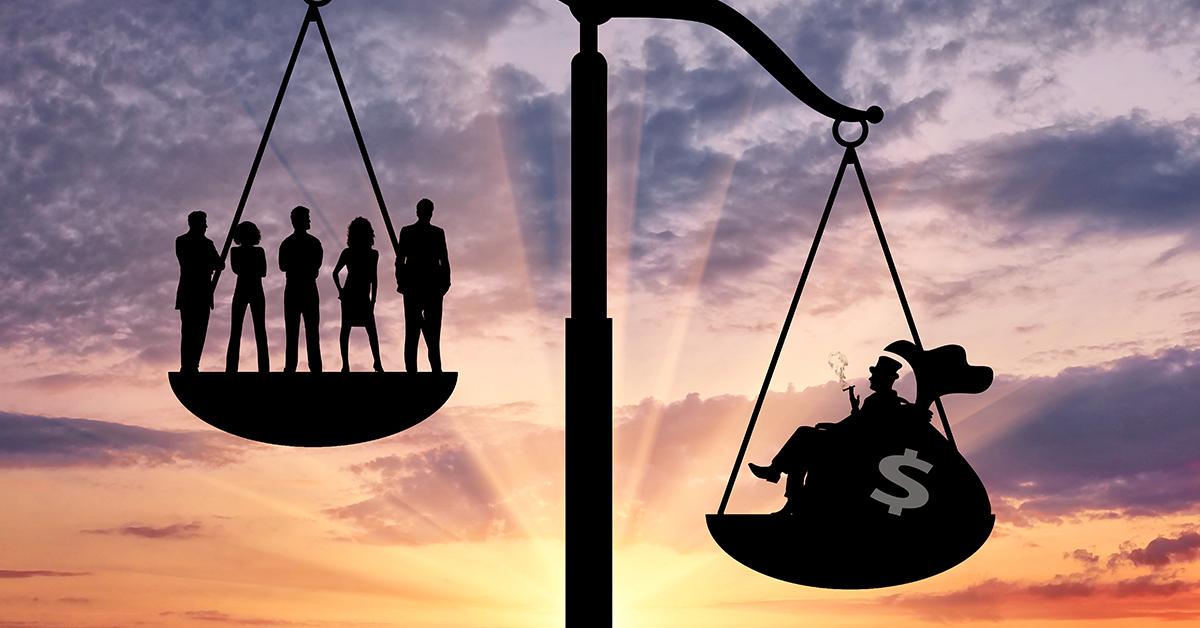
While it's a fact that all citizens, regardless of their status, must receive equal opportunities for education, various factors bar such equal availability of academic resources. Today, the gap in educational achievements between pupils from various socioeconomic origins is considerably vast. Focusing on the causes, impact, and methods of resolution, experts at global education conferences break down the issue at its core.
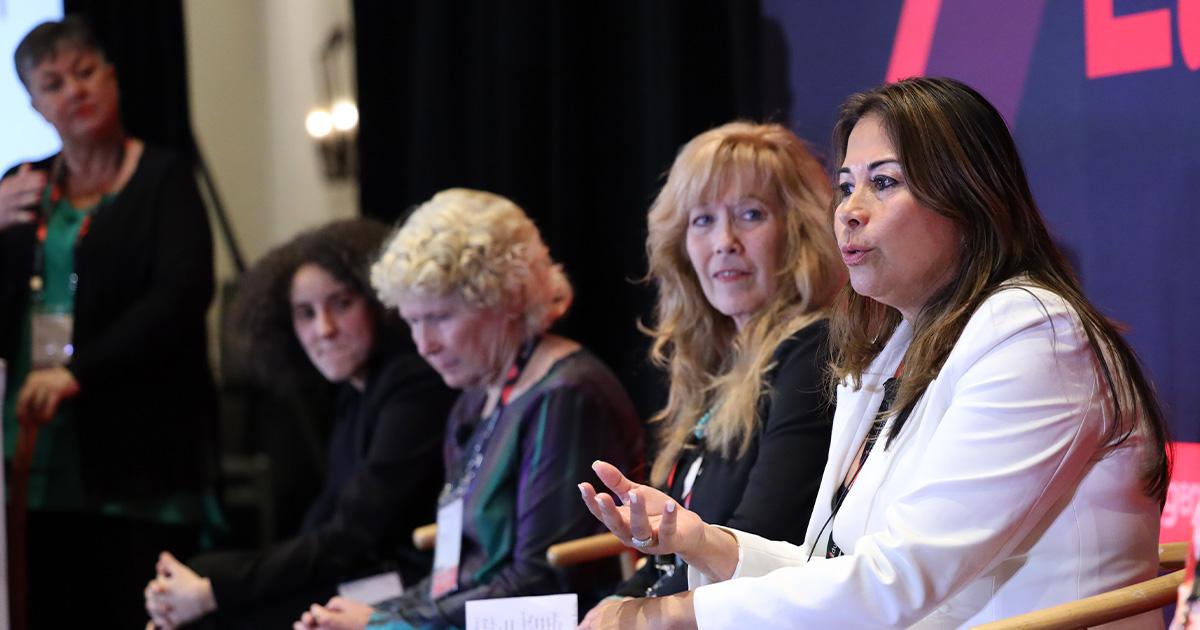
According to research, there is a growing socioeconomic divide between those who have graduated from college and those who didn't. Education 2.0 Conference experts have disseminated the causes behind this and shared why fair education is essential for the inclusive, peaceful, and long-term growth of a society.
Socioeconomic status or SES (as per the American Psychological Association) refers to the social standing of an individual or a group based on their education and income qualifications. It includes not just money but also the level of education, financial stability, and self-perceived social standing and class. A person's socioeconomic position might include aspects of their quality of life as well as the possibilities and advantages that are available to them in society.
According to experts at famous education summits, there is a socioeconomic difference when lower-income kids do worse than their higher-income classmates. Children from low SES families and communities acquire their academic skills more slowly than children from higher SES groups. Low SES throughout childhood is linked to subpar cognitive, linguistic, memory, and socioemotional processing, which leads to subpar adult income and health.
Inequitable access to education in the US owing to family socioeconomic position has been the subject of public debate and education research for years. Education systems often strive to raise the performance of underprivileged pupils and close the achievement gap between low- and high-SES students. The absence of measurable advancement over time is constrained, though. Since the 1960s, these patterns and correlations have significantly increased the achievement inequalities by socioeconomic class, particularly between children at the upper end of the income distribution and everyone else.
Broadly, there are many causes for this, such as family history, wealth and resources, educational support, etc. Education events in 2023 seek to spread awareness about this issue and how it affects the unfortunate. Education 2.0 Conference shares some key factors that have led to a socioeconomic gap in education in the past. These are-
Schools in lower-income regions typically have fewer resources and lower-quality facilities than those in higher-income ones. Lack of access to technology, literature, and other educational tools that are essential for students' success might result from this. If a child's family does not have enough funds to support their education, it is likely that the family will decide to avoid it altogether.

Instructors of high caliber are more likely to work at schools with more resources and money, leaving low-income schools with less qualified and less efficient instructors. This might lead to a vicious cycle where pupils in low-income communities receive an education that is of lesser quality and is less ready for chances in further education and the workforce. Moreover, not all teachers teach for innate satisfaction. Some students might come across teachers who are not ideal for the job, making the child want to avoid education altogether.
Children from low-income homes frequently lack the resources and assistance needed to excel in school. They could not have access to educational programs, computers, or books at home, for instance, or they might not be able to obtain homework assistance from parents who are working long hours to make ends meet.
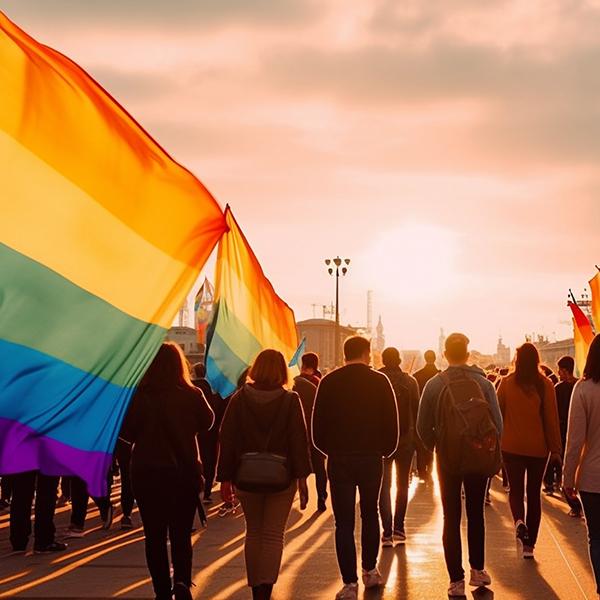
Students from racial and ethnic minority groups, as well as those who identify as LGBTQ+, are more likely to suffer discrimination and prejudice in schools, which has a negative impact on their academic performance and raises their dropout rates. Children who fall prey to bullying or stereotypical bars are likely to find ways to avoid education as they don't feel secure in the environment.
Differences in cultural norms and beliefs might influence how students from various socioeconomic backgrounds approach their education. For instance, some students can be more concerned with short-term financial requirements, such as providing for their family, than with long-term objectives, like achieving success in college and the workplace. Motives determine the educational objectives of some students; if the child is more driven to help out their family and drive them out of poverty, education is likely a distraction for them. Instead, starting a short-hand business for instant means of money is a better option in such cases.
Educational inequality is a prominent issue in education research. One of the most obvious signs of the rising economic inequality in our country is the educational difference between rich and poor youngsters. Global education conferences have shared that schools in low-SES areas are frequently under-resourced, which has a detrimental impact on kids' academic development and results. According to experts at 2023's educational events, below are the most crucial ways in which socioeconomic inequality impacts education among students:
Low-income students frequently have restricted access to educational resources, including books, computers, and extracurricular activities, which might impede their academic progress. Students from more affluent homes, on the other hand, frequently have access to a greater variety of resources, giving them a leg up in the classroom.
Compared to schools in wealthy communities, low-income schools sometimes have fewer resources, less qualified instructors, and worse infrastructure. For pupils in low-income schools, this may result in a poorer standard of instruction and fewer possibilities for academic and personal growth.
Poor health and nutrition can have a substantial influence on academic achievement as a result of poverty and socioeconomic inequality. Malnourished or ill students are more likely to miss class, have problems paying attention in class, and do poorly academically.
Low-income students are more likely to encounter stress and trauma, including being exposed to violence, which affects their academic performance. Anxiety, depression, and other mental health conditions can make it challenging for kids to excel in school. Chronic stress and trauma can also cause these conditions.
Due to financial limitations, students from low-income households may only have a small number of possibilities for post-secondary education. This might reduce their chances for advancement in their careers and prolong the cycle of inequality and poverty.
Fair education is essential for the inclusive, peaceful, and long-term growth of a society because it provides equal opportunities for all individuals to learn, grow, and pursue a good life with jobs to sustain themselves and contribute to society. Education plays an important role in all areas of society and is most responsible for the development of civilization as we know it.
Women and men having equal rights to education are important for a society to move forward and progress. Education is the fundamental resource for achieving social, economic, and civil rights, something which all societies strive to achieve. Fair and equitable education is vital to unlocking lifelong opportunities for poverty-stricken children. It provides them with the opportunity to learn and pursue a good life with jobs that can sustain them and help them grow.
Experts at 2023's education summits and events have suggested some key methods to close the socioeconomic gap in education.
If all children, regardless of their living backgrounds, can receive equitable resources like textbooks, technology, extracurricular activities, etc., there would be no gap in their educational outcomes. This can lead to equitable educational performance throughout the student pool, regardless of the socioeconomic stand of each student.
The performance gap may be reduced by ensuring that all schools, regardless of their location or the financial position of their pupils, deliver high-quality instruction without basing it on the financial stance of the child.
Recruiting and keeping a broad pool of excellent instructors who reflect the socioeconomic and cultural backgrounds of their students can assist in fostering trust and understanding while also enhancing academic performance and student engagement.
Giving students access to medical care and wholesome meals can assist in enhancing their health and well-being, which in turn can have a good influence on their academic performance.
Ensuring that all students have the support they need to succeed may be achieved by giving focused support to students who are in danger of falling behind, such as tutoring, mentorship, and counseling services.
Overall, socioeconomic inequality can have a significant and long-lasting impact on education, affecting not only individual students but also entire communities and society as a whole. Addressing these inequalities requires a multi-pronged approach, one that experts at Education 2.0 Conference have emphasized at their global conferences. The more aware people are of the existing socioeconomic disparities and their impact, the more likely they are to work toward its resolution and strive for a more equitable educational distribution.
August 6, 2026
July 27, 2026

July 21, 2026

July 13, 2026
June 16, 2026

April 13, 2026