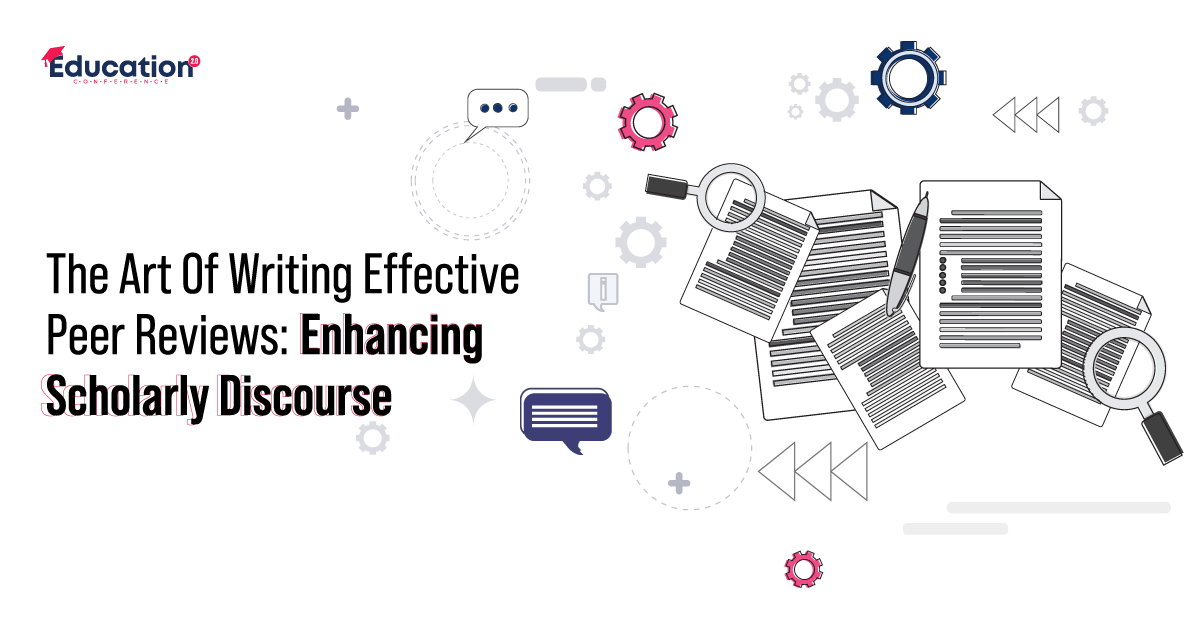
A key factor in imparting education is a thorough exchange of ideas that fuels intellectual growth. Within this exchange of ideas, lies the art of making effective peer reviews—a skill that has become of great importance to upcoming education conferences in 2024.
Effective peer reviews elevate scholarly conversations and nurture a supportive academic community. Whether you're a researcher or a newcomer to the education industry, creating impactful peer reviews can make a significant difference. In this blog, we'll delve into the essentials of writing reviews that empower authors, encourage insightful discussions, and enrich the academic dialogue.
According to experts at Education 2.0 Conference, writing a peer review involves more than pointing out errors; it's about helping authors refine their work. You should opt for clear, constructive criticism that aids understanding. Instead of merely saying, "This part needs work," explain your thoughts in a way that supports improvement.
Top education conferences also suggest academics to shine a spotlight on strengths. Effective reviews don't solely focus on weaknesses. Acknowledge the paper's strengths—the moments of clarity, the well-constructed arguments, and the impressive research. A balanced approach instills confidence and inspires growth.
Education conferences and events share some legit tactics to create an organized review structure. These are summarized below–
Begin your review with a short introduction that highlights your expertise without overshadowing the author's efforts. This helps build a connection and positions your feedback as valuable insights.
Provide a concise summary of the paper's key points. This showcases your engagement and ensures you've captured the author's intentions accurately.
Identify specific areas that could benefit from improvement. Rather than overwhelming the author, focus on a few pivotal aspects that, if addressed, could significantly enhance the paper's quality.
Recognize and commend strong aspects of the paper. Did the author introduce a fresh perspective, use compelling evidence, or present innovative conclusions? Let them know they're on the right track.
Experts of the top education conferences, like the 2024 edition of Education 2.0 Conference, shared effective tips to maintain clarity when communicating your points. Below are some points to keep in mind:
While it's tempting to flaunt vocabulary, clarity is better than complicated jargon. Avoid using technical terms that could confuse the author. Simple language is your best ally in making your points understood.
When pointing out issues, illustrate with concrete examples. Instead of vaguely stating, "Your argument isn't clear," show where the confusion lies, making it easier for the author to grasp your feedback.
Imagine receiving your own review. Craft your words with empathy and respect. Remember, behind every paper is a researcher who has invested time, energy, and passion.
While writing a peer review, it is important to provide thoughtful arguments. Conclusive suggestions can be made by following the below tactics-
Effective reviews provide actionable suggestions. If you find a section lacking coherence, suggest alternative phrasing. If the methodology seems shaky, propose more strong approaches.
While addressing various aspects is important, start with the most crucial ones. Tackling major issues first ensures that the author focuses their efforts where they matter the most.
When it comes to writing peer reviews, ethics matter. Let's review some points that Education 2.0 Conference experts are expected to highlight at the 2024 conference.
Remember the confidentiality of the peer review process. Your goal is to aid improvement, not expose flaws for all to see.
Stay objective and impartial. Your review is about the quality of the research, not personal opinions. Focus on the content, not your preferences.
After submitting your review, take a moment to assess your feedback. Ask yourself if your points were communicated effectively and if your suggestions were genuinely beneficial.
Writing peer reviews is an evolving skill. Embrace feedback on your own reviews and adapt your approach based on what you learn.
Mastering the art of writing impactful peer reviews is an investment in enhancing scholarly conversations. That is why upcoming education conferences in 2024 are making it a high-priority topic in their agendas.
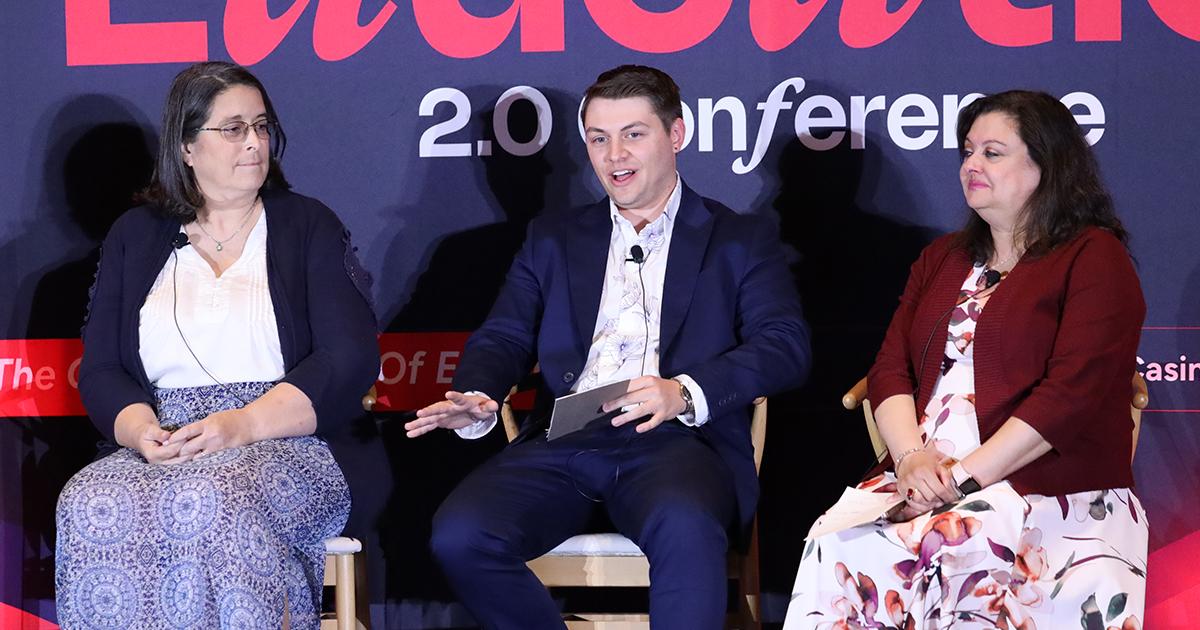
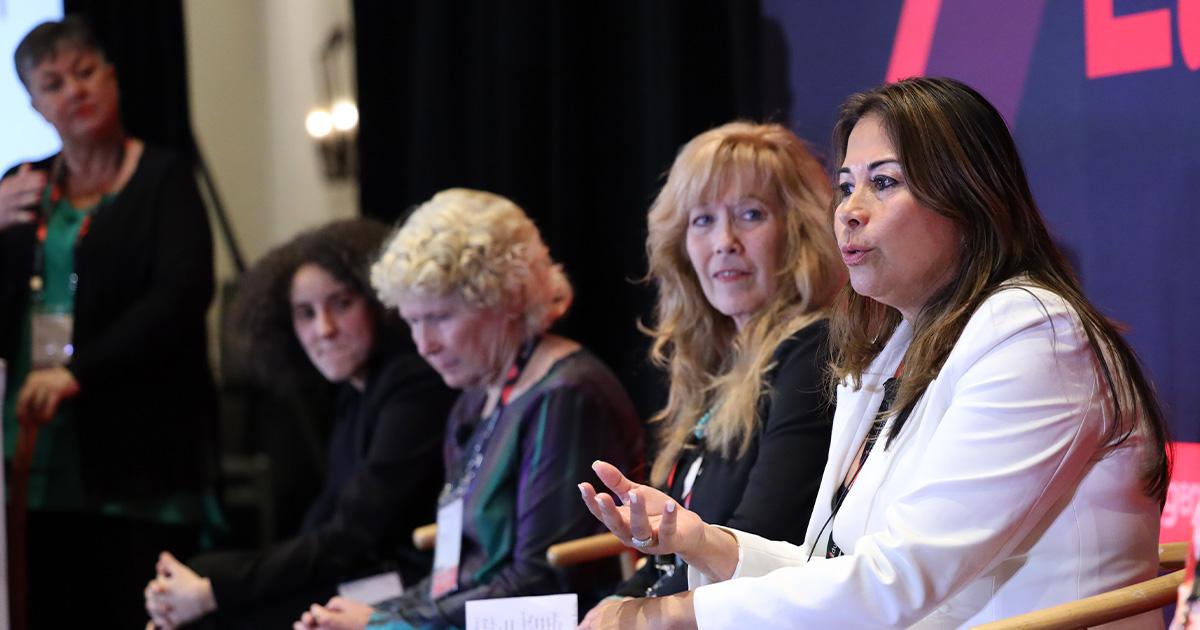
Your words can inspire, guide, and spark growth in fellow researchers. As you hone this skill, remember that you're not just critiquing a paper; you're contributing to the vibrancy of the academic discourse. Every review you craft is a step towards fostering a community of learning, understanding, and mutual support. Top education conferences like Education 2.0 Conference can be a great support as you attempt to write an academic peer review. Being among the leading education conferences and events, it covers trending topics about education like learning, embracing change for leadership, women in education, and more.
August 6, 2026
July 27, 2026

July 21, 2026
July 13, 2026
June 16, 2026

April 13, 2026