

In today’s digital age, the classroom is no longer confined to chalkboards, textbooks, and physical spaces. Technology has revolutionized education, offering educators powerful tools to enhance learning experiences, engage students, and create more interactive and dynamic lessons.
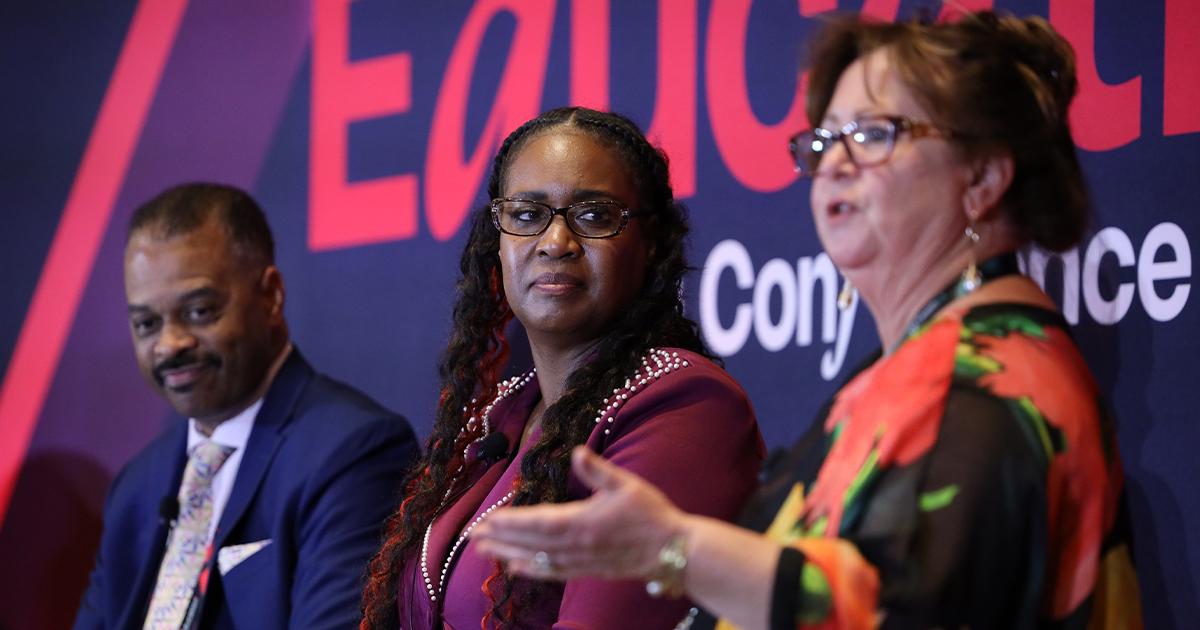
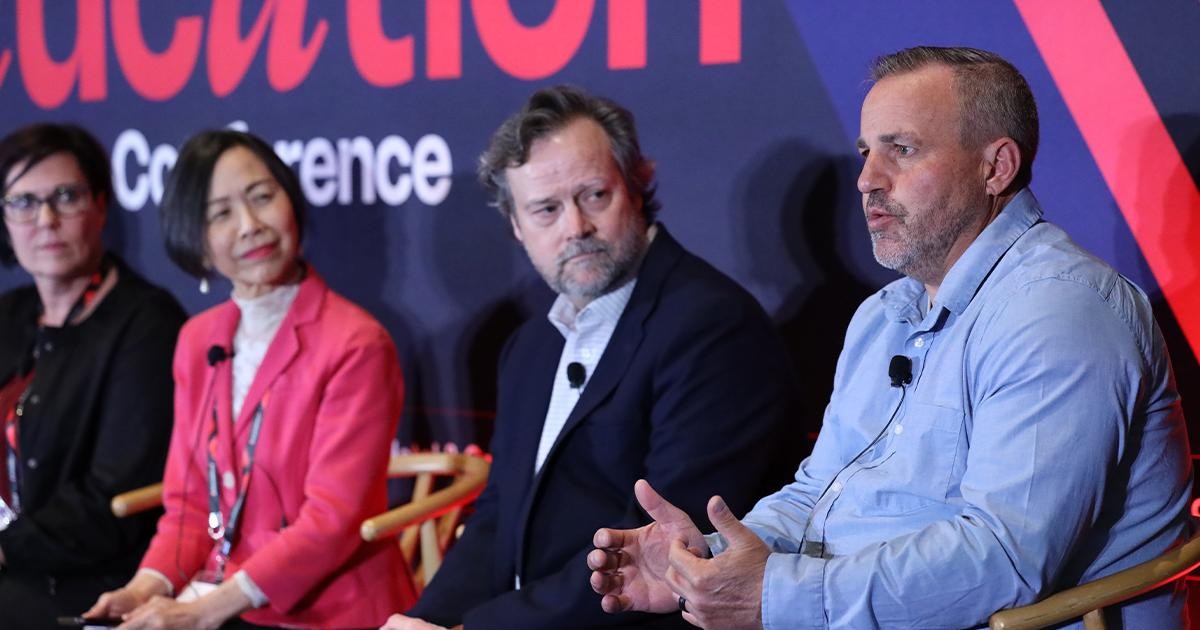
However, incorporating technology into teaching isn't always intuitive. It requires thoughtful planning, creativity, and an understanding of how different tools can be used to amplify the learning process. In this blog, we will learn some practical tips shared by the experts of the upcoming education conferences in 2025, notably Education 2.0 Conference, for integrating technology into your classroom effectively, ensuring that it enriches your teaching while promoting student success.

Source: AIPRM
Before diving into practical tips, let’s quickly review the key benefits, as discussed by the experts of the education events in Vegas, of using technology in the classroom:
Here are some practical tips shared by the experts of the upcoming education events in Vegas, such as the Education 2.0 Conference.
When introducing technology, start with manageable goals. Instead of overhauling your entire curriculum overnight, focus on integrating a single tool or platform that can support your teaching style and meet your students' needs. For instance, try incorporating a basic learning management system (LMS) to post assignments and resources before moving on to more complex applications like virtual classrooms or multimedia content creation.
Interactive tools provide an excellent way to capture and maintain student engagement during lessons. These tools can be used for quizzes, polls, games, and even collaborative projects. Popular choices include Kahoot!, Quizizz, and Mentimeter, which allow students to participate in real-time quizzes and surveys that provide immediate feedback.
Gone are the days when learning was confined to textbooks. Multimedia—including videos, podcasts, animations, and even virtual reality (VR)—can significantly enhance your teaching by catering to different learning styles. For visual and auditory learners, videos and podcasts offer an engaging way to absorb content, while kinesthetic learners may benefit from virtual simulations and interactive VR experiences.
Every student learns at a different pace, and educational apps are perfect for catering to these individual needs. Some platforms allow students to work through lessons at their own speed, while you, as the teacher, can track their progress and provide support where needed.
Promoting collaboration in the classroom is easier than ever with digital tools. Some platforms allow students to work together on projects in real-time, regardless of where they are physically. This can be especially helpful for group work, presentations, or peer reviews.
The flipped classroom model allows students to study content outside of class (through videos or reading materials) and then apply what they've learned in interactive, hands-on activities during class time. This strategy encourages deeper learning and gives you more time to focus on problem-solving and critical thinking during lessons.
Technology offers numerous tools for tracking student progress and providing real-time feedback. Tools like Google Forms, Socrative, and Edmodo enable you to create quizzes, surveys, and assessments that can be instantly graded, helping you gauge students' understanding of the material.
When integrating technology into the classroom, it’s essential to ensure that all students, regardless of their learning needs or backgrounds, can benefit from it. This means selecting tools that are accessible to students with disabilities and providing resources for those who may not have access to devices or the internet at home.

Integrating technology into the classroom comes with its share of challenges, from budget constraints to the learning curve associated with new tools. Attending education conferences in 2025 can provide valuable insights on how to navigate some of these common issues:
The integration of technology into education is no longer a choice but a necessity. As per the insights shared by the experts of the upcoming Education 2.0 Conference, by embracing these tools and strategies, educators can promote a more engaging, tailored, and impactful learning environment for their students.
It's important to note that technology is meant to enhance, not replace, traditional teaching methods. Through careful planning, a willingness to explore new tools, and learning alongside your students, you can transform your classroom into a dynamic space for exploration and development.
A. Introduce technology with a clear purpose, demonstrating its benefits for learning. Offer step-by-step guides and allow hands-on practice. Assign tech-savvy students to assist their peers and encourage collaboration.
A. Start with user-friendly tools like Google Classroom, Kahoot, Padlet, or Flipgrid. These platforms are easy to navigate, promote engagement, and enhance learning without requiring extensive technical expertise from teachers or students.
A. The Education 2.0 Conference offers practical solutions and insights from experts on overcoming tech integration challenges like limited resources and digital literacy. Educators can explore new tools and strategies and network with peers to make technology integration easier and more effective.
A. Challenges include limited device access, varying tech skills, and distractions. Overcome these by rotating devices, teaching basic digital skills early, setting clear expectations, and incorporating screen breaks to maintain focus.
A. Use tools like Google Forms or Kahoot for quizzes, or digital portfolios like Seesaw for ongoing assessment. These platforms provide immediate feedback and track progress, making it easier to measure student understanding and adjust instruction as needed.

August 6, 2026
July 27, 2026
July 21, 2026

July 13, 2026

June 16, 2026

April 13, 2026