
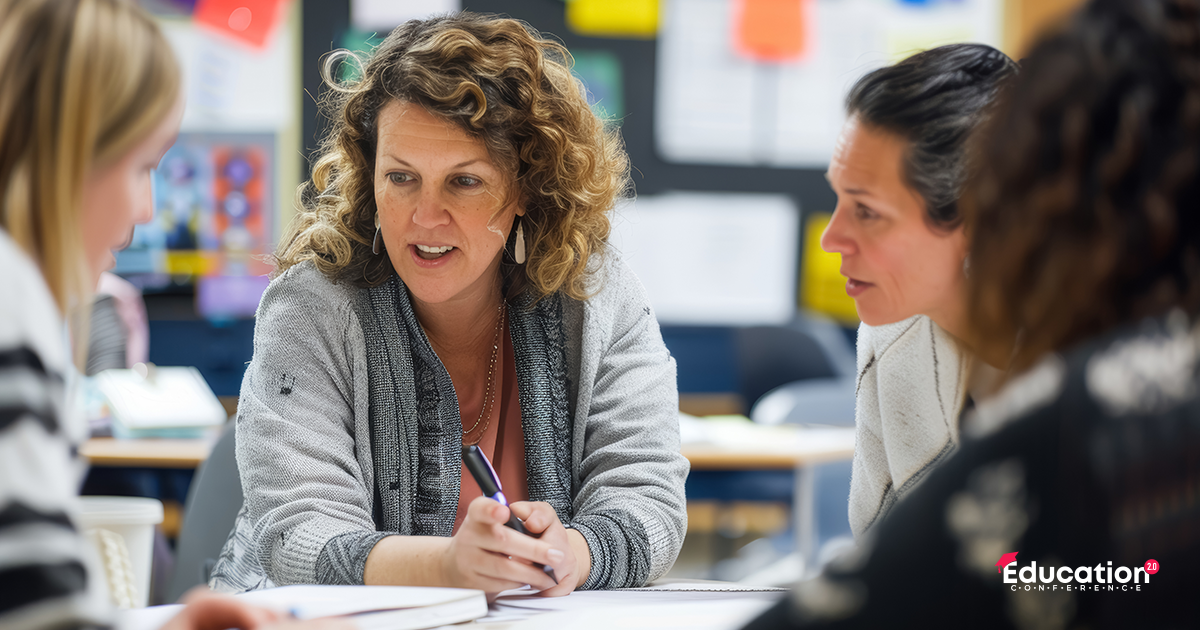
Parent-teacher meetings aren't just a formality—they're a golden opportunity to engage directly with those who spend almost as much time with your kids as you do! These meetings are pivotal in understanding how your child is doing in school beyond just glancing at their report cards. This blog post, inspired by insights from one of the leading education events in Dubai, the Education 2.0 Conference, is geared to empower you with specific questions that can help you make the most out of every parent-teacher interaction. Ready to dive in? Let’s get you prepped for success!
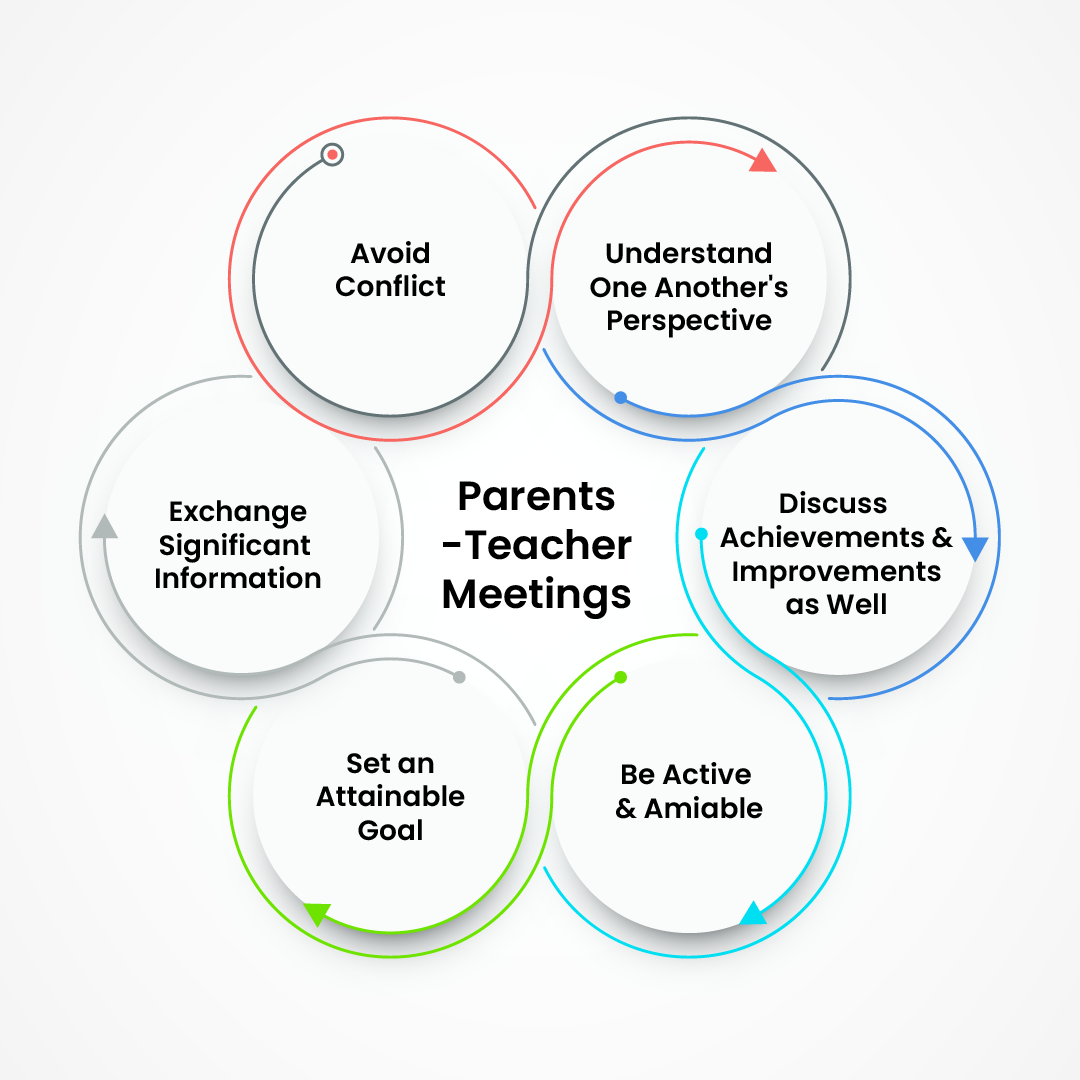
Source: Winuall
Preparation is key! Just like you wouldn’t go to a job interview without researching the company, don’t enter a parent-teacher meeting without your homework. Review your child’s past assignments, note any patterns or standout moments, and prepare a list of your observations and any concerns you might have.
Consider talking to your child about their feelings towards school, their teachers, and classmates to gain additional perspectives that could be crucial during the meeting, suggested experts of top 2024 education conferences. This upfront effort ensures you won't forget to ask about something important during the meeting. So, grab those reports, some highlighters, and let’s mark out areas that need discussion!
This question opens up a direct line to understanding your child's classroom performance from a new perspective. Teachers can provide insights that go beyond grades, giving you a fuller picture of your child’s academic life.
Seeing is believing! When teachers present actual examples of your child’s work, you can better understand the feedback and see firsthand what’s going well and what’s not.
This helps you gauge not just how your child is doing in isolation but in comparison to the class as a whole. As per education experts at the Education 2.0 Conference, one of the anticipated education events in Dubai, understanding these metrics can guide you in setting realistic expectations and goals. Ask for explanations on any assessments or tools used that you might not be familiar with to ensure you fully understand your child's performance metrics. Ready for the next part? Let’s talk about your child’s social life at school.
Social skills are as important as academic skills in school success. This question can shed light on your child’s social positioning and engagement in the classroom environment.
Changes in behavior can be subtle but telling indicators of various underlying issues. A teacher's input can be crucial in identifying and addressing these early on. It’s also useful to ask if there’s been any recent school events that might have influenced these behaviors, such as projects or social events. With insights into the classroom dynamics, we can pivot to supporting our child’s learning at home.
This is where you can get practical tips tailored to boost your child’s specific educational needs. Whether it’s reading together or a math app, every bit helps.
Teachers often know about the latest and greatest educational tools that can be used at home. These resources can be game-changers in your child’s education. You might also ask for recommendations on any groups or clubs that could further support learning and social skills outside of school hours. Equipped with the right tools and strategies, let’s find out how to tackle challenges directly, as suggested at several 2024 education conferences.
No challenge is too great if you tackle it with the right approach. This question can help you and the teacher collaborate on actionable strategies to help your child overcome any hurdles.
Consistent and open communication with your child’s teacher can make a significant difference. Establishing a method and frequency of updates can keep you both aligned on your child’s progress. Discuss setting up a regular email update or a quarterly meeting to keep the communication lines open. Now, looking ahead, let’s ensure we’re also setting the stage for future success. Here is some insight from one of the leading education events in Dubai, the Education 2.0 Conference.

This is about being proactive rather than reactive. Knowing what’s on the horizon can help you prepare your child for what’s next, making transitions smoother and more successful. Consider asking about key skills or knowledge areas your child should focus on during the upcoming holidays or summer break.
Navigating parent-teacher meetings effectively means coming equipped with the right questions and a clear understanding of your child’s schooling experience. By engaging actively and thoughtfully with these ten questions curated with suggestions from the leading education event in Dubai, the Education 2.0 Conference. You're not just attending a meeting; you're participating in your child's education and paving the way for their success.
Remember, the goal is to turn these interactions into opportunities for growth and learning—let’s make every meeting count! Education 2.0 Conference agenda for both Dubai Winter 2024 and USA 2025. Uncover what's next in education innovation and thought leadership!
By discussing specific examples of your child's work and their academic progress metrics with teachers, you can set realistic goals and better support their educational journey. Understanding these aspects can also guide your involvement in their learning process, helping to tailor home activities that complement school efforts.
The Education 2.0 Conference will focus on emerging trends such as personalized learning, technology integration in classrooms, and innovative teaching methodologies. This gathering will explore how these trends can be applied effectively to enhance educational outcomes.
Preparation is crucial for maximizing the effectiveness of parent-teacher meetings. Review your child’s past assignments, make notes of patterns or standout moments, and discuss their feelings about school and teachers beforehand. Additionally, prepare a list of questions based on your observations and any concerns you might have to ensure a comprehensive discussion.
To fully understand your child’s development, ask about their participation in class, any noticeable trends in their learning, and how they interact with peers. Additionally, inquire about ways to further support their education at home based on the teacher’s observations.
Utilize the insights and strategies discussed at the Education 2.0 Conference by incorporating recommended educational technologies and innovative learning methods at home. Engage in activities that enhance digital literacy and critical thinking, tailored to align with your child’s educational needs as discussed in the conference.
August 6, 2026
July 27, 2026

July 21, 2026

July 13, 2026
June 16, 2026

April 13, 2026