

The pursuit of international education is a significant undertaking for countless students globally, representing a valuable investment in their future. However, this pursuit is increasingly jeopardized by a rising tide of fraud targeting international students. These illicit activities result in substantial financial losses, profound emotional distress, academic disruption, and can even compromise immigration statuses.
As a leading conference, Education 2.0 Conference identifies the critical nature of this fraud. The team of experts behind our event has outlined several scam prevention strategies to uphold the very essence of education.
The landscape of international student mobility has, unfortunately, given rise to sophisticated fraudulent schemes. Within this, the malpractice includes exploiting vulnerabilities in navigating new academic and legal systems. The frequency of reported incidents underscores a systemic challenge that demands a concerted industry response. In this line, several online studies reveal a consistent upward trend in scam attempts. It ranges from elaborate online phishing operations to direct coercion, all designed to extract funds or personal information from students illegally.

Understanding the prevailing scam methodologies is central for prevention. Fraudsters employ a diverse array of tactics, frequently adapting their approaches. Key categories include:
It goes beyond the immediate financial loss. On a deeper level, it leaves victim students experiencing psychological distress, including heightened anxiety and a sense of isolation. Financial losses can directly impede a student's ability to continue their academic program, forcing premature withdrawal or abandonment of their educational goals.
Additionally, the theft of personal information can lead to long-term identity fraud issues, creating persistent challenges for the affected individuals. The psychological and practical burden is substantial, impacting not only the students but also their families, who have invested heavily in their education.
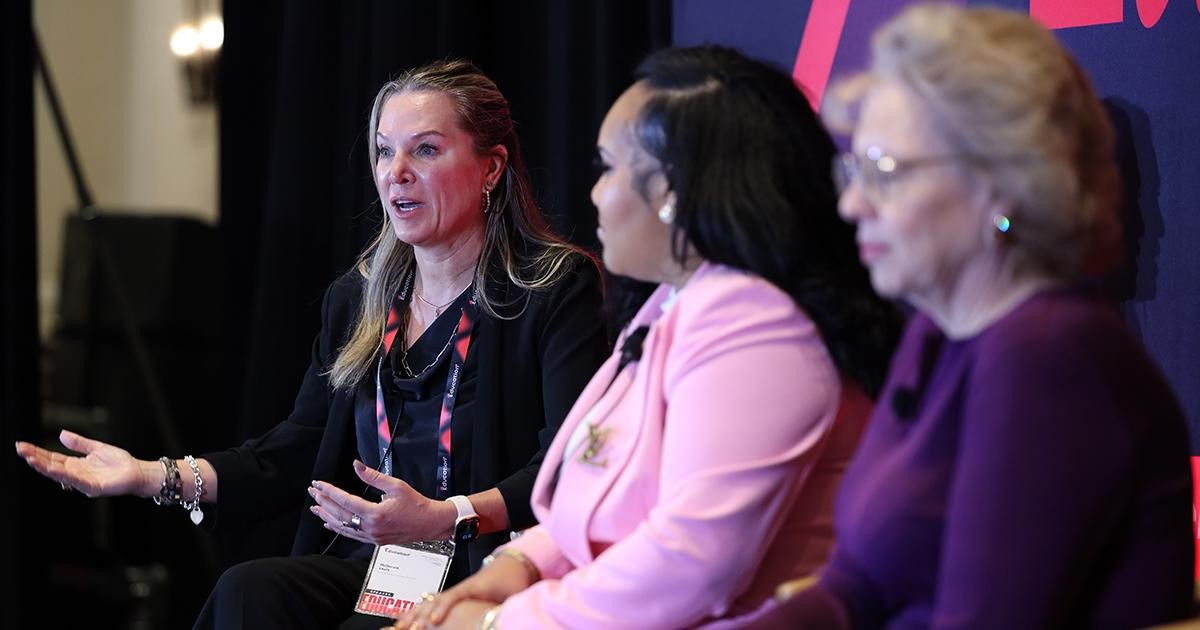
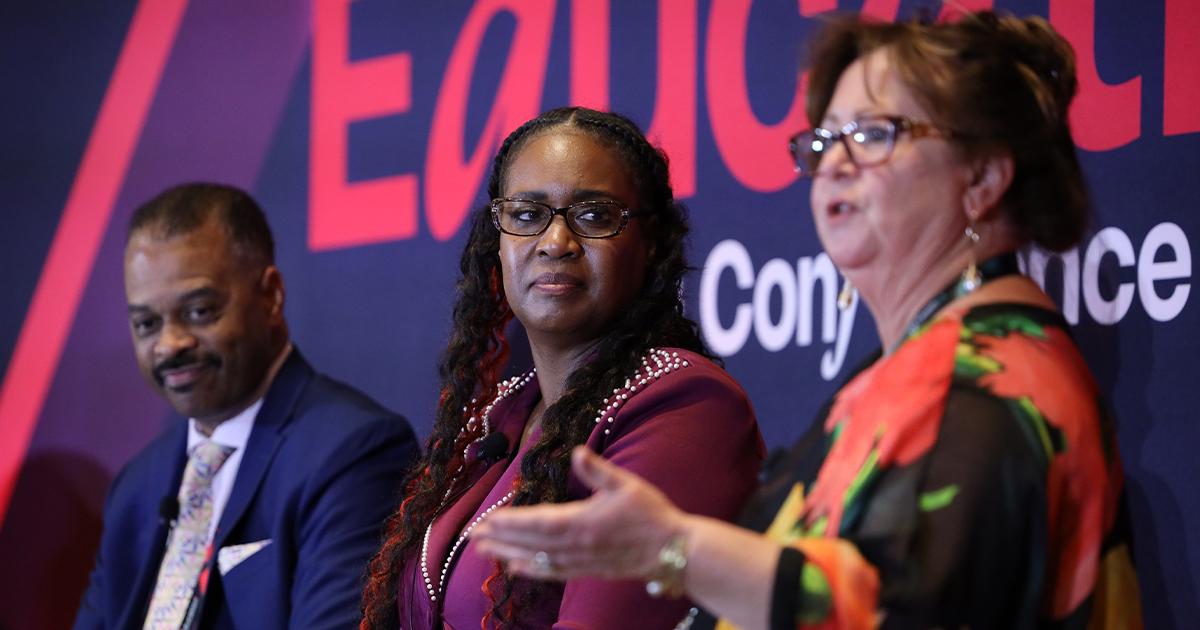
Deconstructing education fraud might be done in isolation, but its addressal requires a multi-stakeholder approach. Educational institutions, governmental agencies, and industry leaders must collaborate to establish robust preventative measures. This is precisely where international platforms, such as the Education 2.0 Conference, become indispensable. It is to facilitate critical dialogue, knowledge exchange, and the development of actionable strategies among key industry stakeholders.
Experts at the Education 2.0 Conference suggest a solution to provide comprehensive information through trustworthy channels, supporting both students and institutions. Industry collaboration is key to this goal. Experts from law enforcement, immigration services, educational institutions, and cybersecurity can meet at these conferences to analyze emerging fraud patterns and share effective prevention methods.
Cultivating a resilient ecosystem of support and awareness is essential for the international education sector. Effective prevention of threats requires a delicate balance of continuous education, heightened vigilance, and readily accessible resources.
An authoritative source of information can provide timely alerts and evidence-based guidance to international students and their supporting institutions. Content on such platforms should consistently cover vital topics, offering measures against prevailing scams.
Through sustained awareness campaigns, the dissemination of best practices, and the facilitation of crucial discussions at dedicated platforms, the international education sector can collectively equip students to identify, report, and circumvent detrimental scams. The commitment to mitigating this fraud ensures that the pursuit of international education remains a secure and enriching pathway for all.
In conclusion, the Education 2.0 Conference underscores the urgent need for a united front against international student fraud. By promoting collaboration and sharing proactive strategies among diverse experts, the conference is dedicated to safeguarding students' educational journeys and upholding the integrity of global education.
A1: Legitimate government agencies will never demand immediate payment via gift cards or threaten arrest over the phone.
A2: Be suspicious of offers that seem too good to be true, guarantee admission for a fee, or pressure you for immediate payment.
A3: The Education 2.0 Conference dedicates sessions to discussing scam trends and prevention strategies with experts from various fields.
A4: These sessions bring together experts from law enforcement, immigration services, educational institutions, cybersecurity, and other key stakeholders from education.
A5: Always consult your university's international student services office or official government immigration websites for reliable information.
August 6, 2026
July 27, 2026

July 21, 2026

July 13, 2026

June 16, 2026

April 13, 2026
