
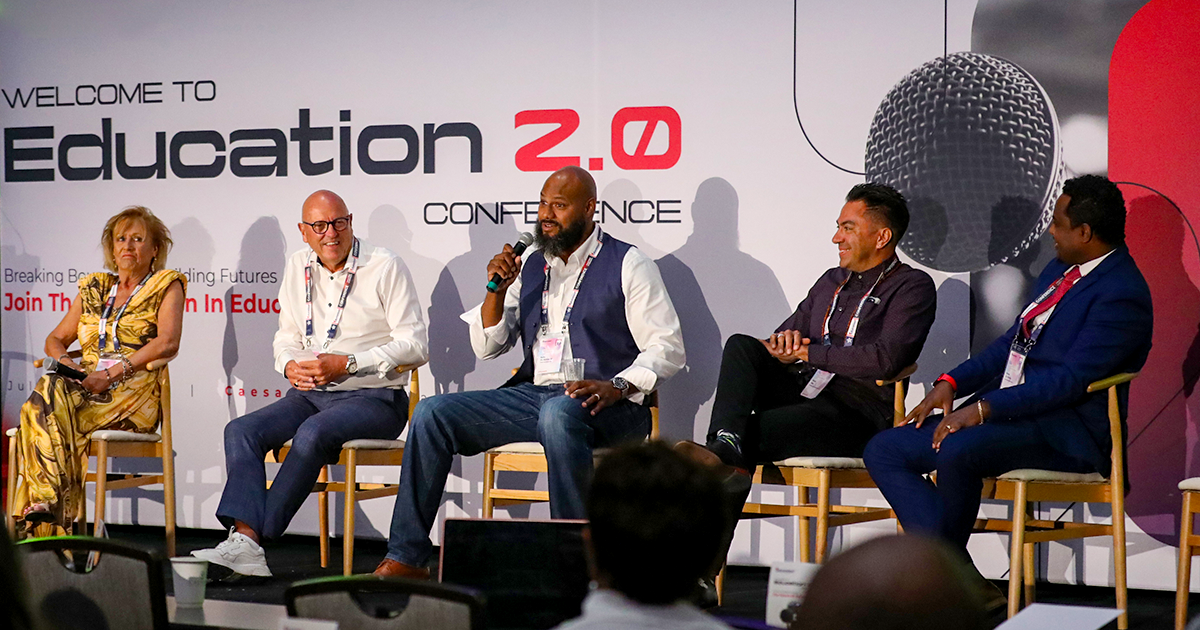
Interpersonal skills are necessary for success in almost every aspect of life, but their importance is particularly pronounced in academic settings. As students navigate through their educational journeys, the ability to effectively communicate, collaborate, and resolve conflicts plays a crucial role in their success. As stakeholders in education, including those participating in the Education 2.0 Conference, seek innovative approaches to learning, the integration of interpersonal skills into curricula has become a key focus.
At the heart of academic success is the ability to interact constructively with teachers, peers, and professionals. Effective communication, one of the primary components of interpersonal skills, ensures that students can clearly articulate their ideas and absorb information from others. This is particularly vital as students often need to engage in discussions, work on group projects, and present their work. Moreover, the empathetic understanding of peers’ viewpoints and challenges enriches the learning experience. This empathy leads to better collaboration. Developing these skills also promotes a supportive educational atmosphere, encouraging students to thrive and participate more actively in their own learning processes.
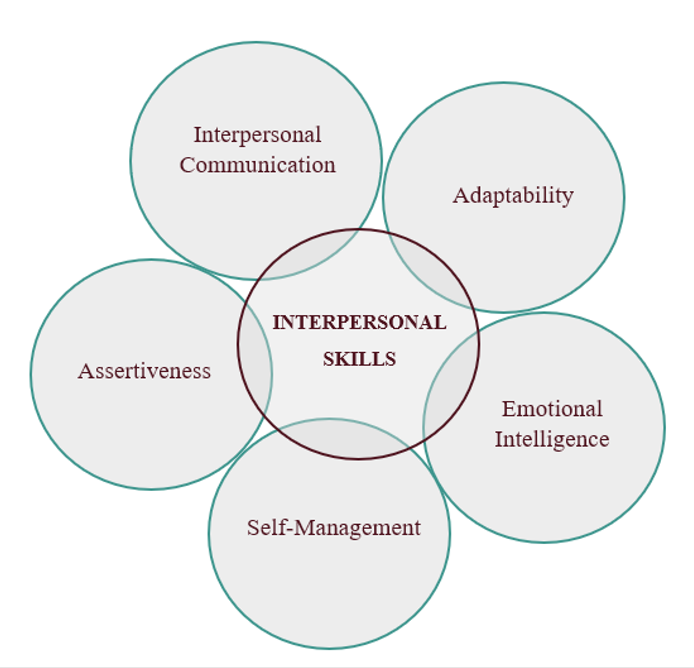
Source: BCcampus
Research has shown that students who possess strong interpersonal skills tend to perform better academically. These skills allow students to express their ideas more clearly, gain more from teacher feedback, and engage more deeply with the learning material.
In environments where teamwork and peer-to-peer interaction are encouraged, such as those often discussed in education conferences such as the Education 2.0 Conference slated for 2025, these skills become indispensable. They not only promote a more engaging learning environment but also prepare students for real-world scenarios where such skills are mandatory.
Interpersonal skills are also closely linked to leadership and the capacity to take initiative. In academic settings, students who can effectively lead group projects or spearhead initiatives in social clubs tend to develop strong leadership skills early on. These skills include the ability to motivate peers, delegate tasks, and make strategic decisions, all of which are critical in both academic and professional settings.
Group projects and collaborative research are common in academic settings, often leading to conflicts. The ability to resolve these conflicts amicably is another aspect of interpersonal skills that contributes significantly to academic success. Effective conflict resolution ensures that all group members can work together harmoniously, leading to more productive and successful outcomes. This skill is especially important when participating in global events and workshops, where teamwork and collaboration are often required.
In today’s globalized academic environments, students often interact with peers from diverse cultural backgrounds. Interpersonal skills thus also involve cultural sensitivity and the ability to adapt one’s communication style to different cultural contexts. This not only enhances personal interactions but also prepares students for global citizenship, an increasingly valuable trait in the interconnected world.
With the rise of online education, as frequently discussed at the Education 2.0 Conference, the importance of interpersonal skills has adapted to new mediums. Virtual classrooms demand a different set of interpersonal dynamics, where students need to be more proactive and intentional in their communication. Educators are also finding innovative ways to promote these skills through online platforms, ensuring that students remain engaged and connected despite physical distances.
The transition to online learning environments has underscored the need for students to be not only technologically proficient but also capable of maintaining effective communication without the cues and immediacy of face-to-face interactions.
As the academic environment becomes more interactive and interconnected, the demand for strong interpersonal skills will only increase. Participating in educational events and conferences is one way for students to develop these skills.
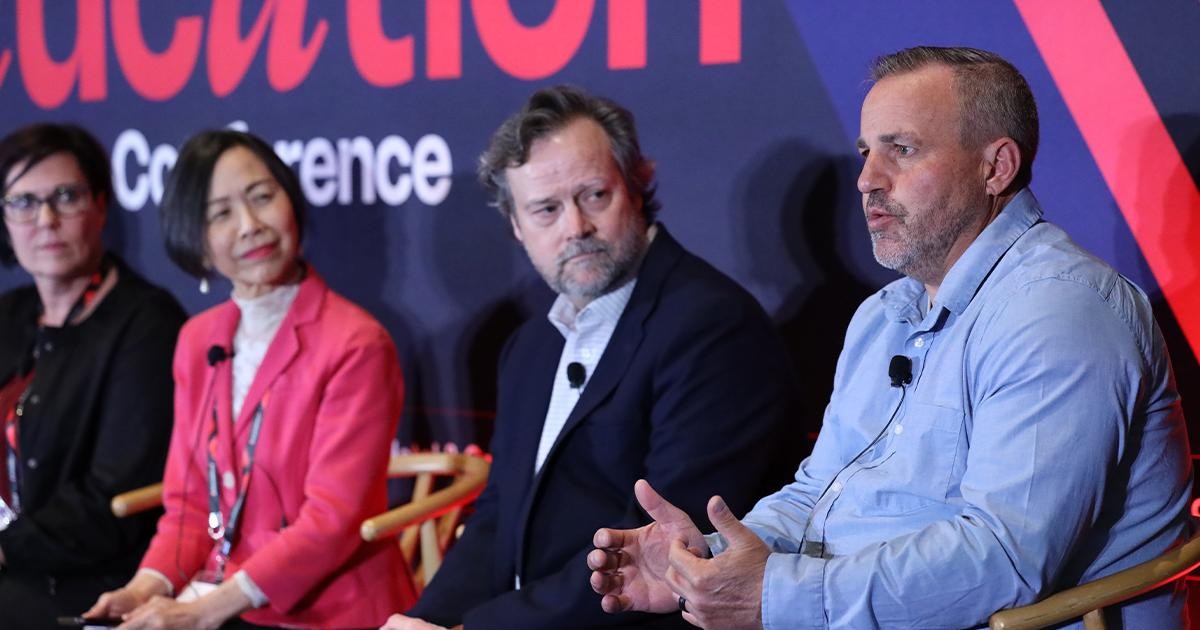
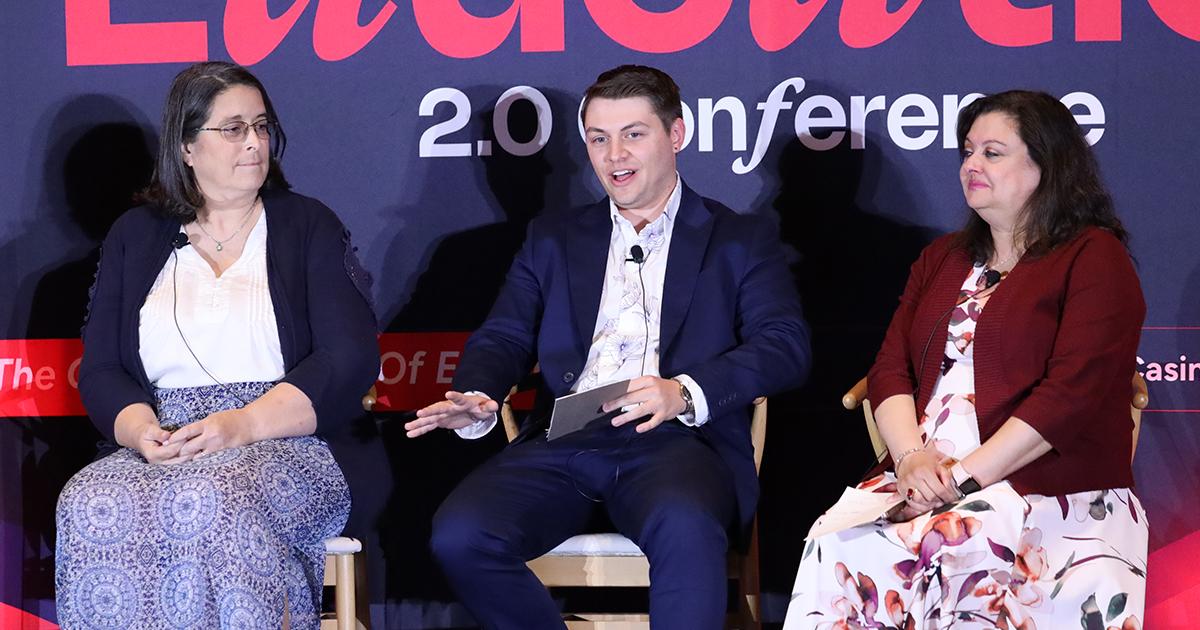
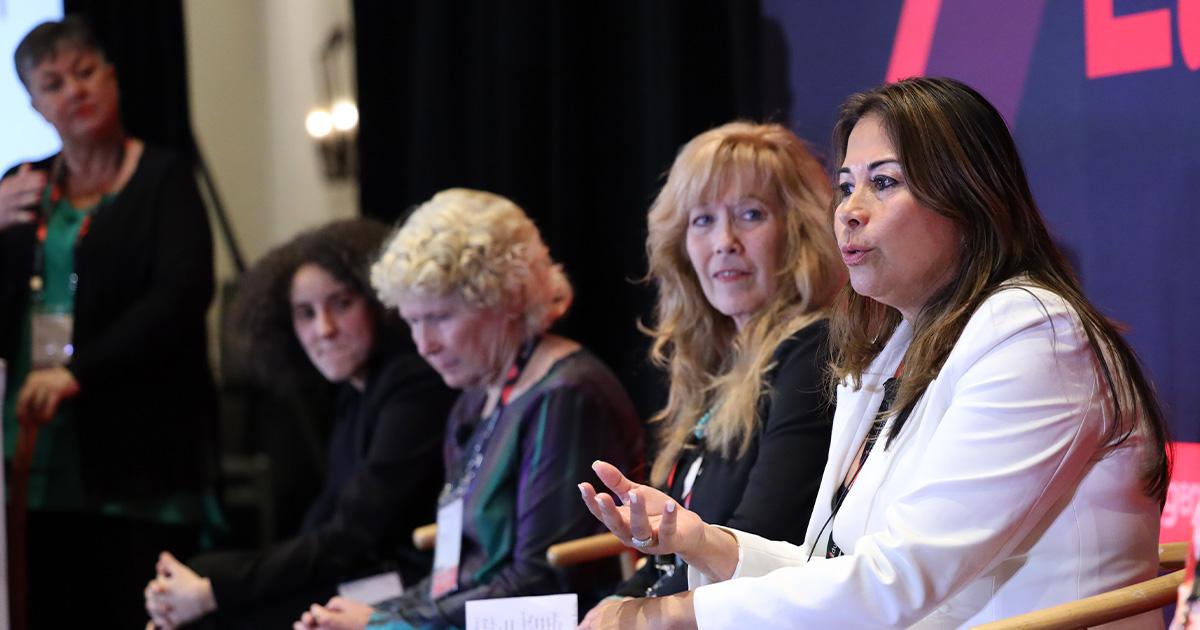
Education events such as the Education 2.0 Conference in Vegas are designed not only to provide learning opportunities but also to allow students to practice and refine their interpersonal abilities in real-world scenarios. These experiences are invaluable, equipping students with the skills necessary to navigate future challenges in both academic and professional arenas effectively.

The benefits of strong interpersonal skills extend far beyond academic achievements. These skills are integral in professional settings and personal relationships. Students who develop strong interpersonal skills are better prepared for the complexities of the modern workforce and are more likely to lead fulfilling personal lives.
The ability to communicate effectively, empathize with others, and resolve conflicts gracefully is advantageous in all spheres of life, fostering better relationships and more successful career trajectories.
In conclusion, as we look forward to education conferences, it's clear that interpersonal skills are more than just complementary to academic success—they are fundamental. They equip students with the necessary tools to succeed not just in their current academic pursuits but also in their future careers. Upcoming education events like the Education 2.0 Conference gearing up for its Spring Edition in Vegas continue to push this narrative forward, ensuring that the next generation of learners is versatile, adaptable, and primed for success.
Students can enhance their interpersonal skills by participating in group projects, joining clubs and teams, and taking part in workshops and seminars that focus on communication, leadership, and emotional intelligence.
Yes, numerous studies indicate that strong interpersonal skills correlate with improved academic performance, as they enhance communication, collaboration, and understanding in educational settings.
Absolutely. Attending educational conferences such as the Education 2.0 Conference allows you to network with peers and experts, engage in discussions, and participate in interactive sessions, all of which can significantly boost your interpersonal skills.
Attendees can maximize their experience by engaging actively in discussions, asking insightful questions during sessions, and participating in networking events. Effective listening, clear communication, and respectful discourse can lead to more meaningful connections and collaborations.
Yes, the conference can be a fertile ground for initiating academic collaborations. Vital interpersonal skills for these collaborations include clear communication, reliability, conflict resolution, and the ability to compromise and negotiate, ensuring that all parties can work together effectively toward common research or educational goals.
August 6, 2026
July 27, 2026
July 21, 2026
July 13, 2026
June 16, 2026

April 13, 2026